For years, Europe's political establishment largely embraced policies that encouraged mass migration and reduced border restrictions, often dismissing concerns about national identity, security, and cultural cohesion. Now, however, a growing number of European governments appear to be moving in a different direction.
Across the continent, lawmakers are introducing stricter immigration measures, strengthening border enforcement, and reevaluating policies that many critics argue contributed to unprecedented migration levels over the past decade. The shift has sparked debate over whether Europe is entering a new era—one focused less on open borders and more on preserving national sovereignty and maintaining social stability.
Supporters of these changes contend that European leaders are finally acknowledging concerns that ordinary citizens have been raising for years. They argue that uncontrolled migration has placed pressure on public services, strained housing markets, and challenged the ability of some nations to integrate large numbers of newcomers.
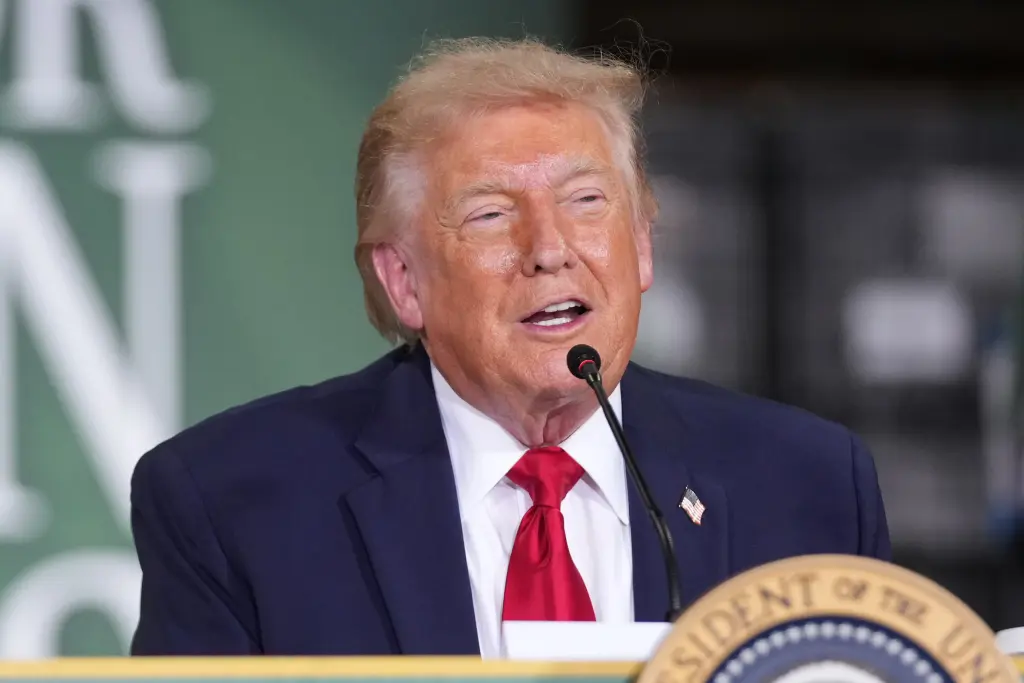
The emerging policies have drawn comparisons to immigration measures championed by President Donald Trump in the United States. Trump's emphasis on border security, national sovereignty, and enforcement of immigration laws was heavily criticized by political opponents at the time. Yet many of the ideas once portrayed as controversial are now being discussed openly by governments across Europe.
For some observers, the stakes extend beyond economics and public policy. They see the debate as one involving the future of Europe's historic cultures, traditions, and national identities. Concerns about preserving social cohesion and protecting long-established cultural institutions have become increasingly prominent in political discussions throughout the continent.
Critics of stricter immigration policies continue to argue that such measures risk limiting humanitarian protections and international cooperation. Supporters counter that every nation has both the right and the responsibility to determine who enters its borders and under what conditions. A concept that, remarkably, has become controversial in some political circles.
Whether these policy shifts ultimately transform Europe's future remains to be seen. What is clear is that the immigration debate is no longer confined to political outsiders. It has moved to the center of public discourse, influencing elections, shaping legislation, and redefining priorities across the continent.
As European leaders continue reassessing their approach, many citizens believe their governments are beginning to address concerns that have been building for years. The coming months and years will determine the long-term impact, but for supporters of stronger borders, the direction of travel is becoming increasingly clear.