A federal judge has ruled that President Donald Trump’s proposed $100,000 fee for H-1B visas cannot move forward, concluding that the administration does not have the legal authority to impose such a charge without congressional approval.
In a 42-page decision issued on June 8, Judge Leo Sorokin of the U.S. District Court for the District of Massachusetts determined that the fee would effectively function as a tax on H-1B visa petitions. According to the ruling, the power to impose taxes belongs to Congress, and federal law does not grant the executive branch the authority to create such a fee on its own.
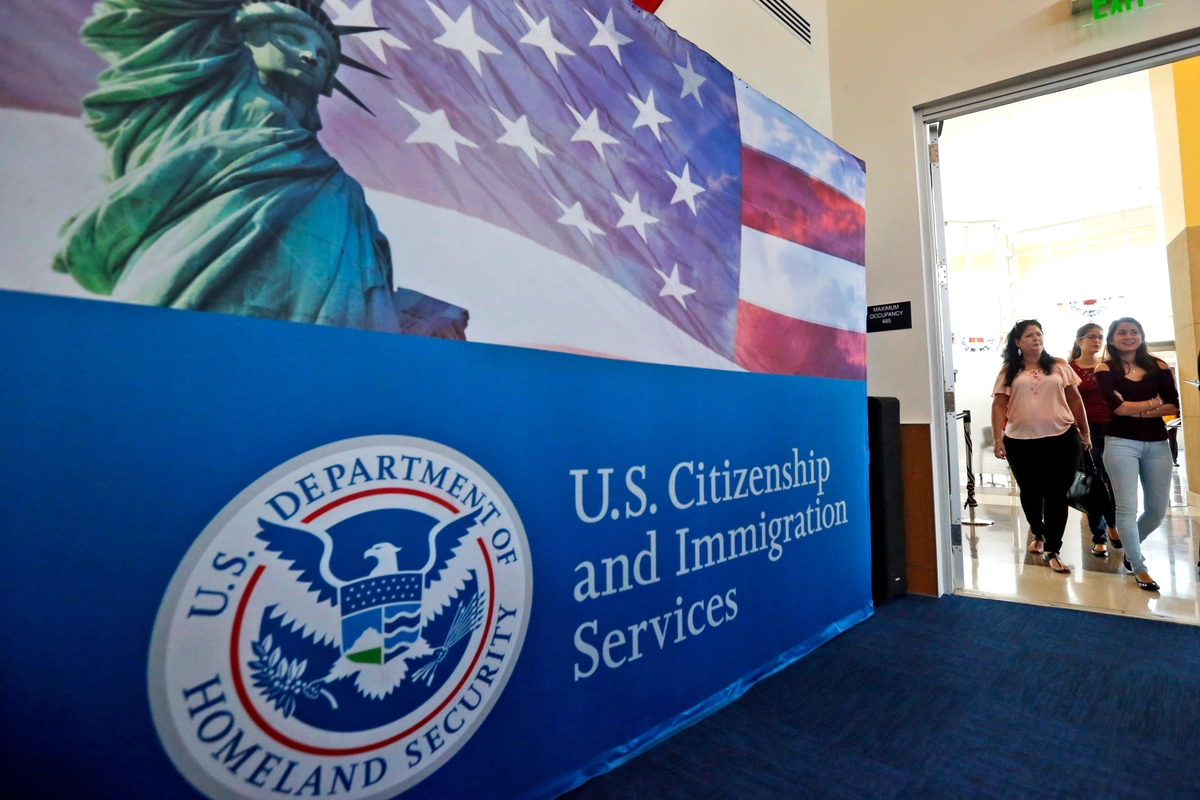
The H-1B program allows U.S. employers to hire foreign workers in specialized occupations, often in fields requiring advanced technical knowledge and professional expertise. The proposed $100,000 charge represented a significant increase in costs associated with the visa process and was part of the administration’s broader efforts to reshape immigration policies.
Judge Sorokin acknowledged that the president possesses authority to restrict the entry of noncitizens into the United States under certain circumstances. However, the court concluded that such authority does not extend to creating what amounts to a new tax without explicit authorization from Congress.
The decision marks another example of the ongoing legal battles surrounding executive authority and immigration policy. Critics of judicial intervention may argue that unelected judges continue to play a major role in determining the limits of presidential actions, while supporters of the ruling maintain that it reinforces the constitutional separation of powers. After all, Washington never seems to miss an opportunity for another courtroom showdown.
For now, the ruling prevents the implementation of the proposed fee and reinforces the longstanding principle that Congress retains the power of taxation. The debate over immigration reform and the future of the H-1B program is likely to continue, but the decision provides additional clarity regarding the constitutional boundaries between the legislative and executive branches.
As policymakers continue discussing solutions to immigration and workforce challenges, the issue remains at the forefront of national debate, ensuring that Americans will have an active voice in shaping the country’s future.