Florida is set to implement one of the nation's most aggressive measures against foreign influence when the Foreign Interference Restriction and Enforcement Act takes effect on July 1.
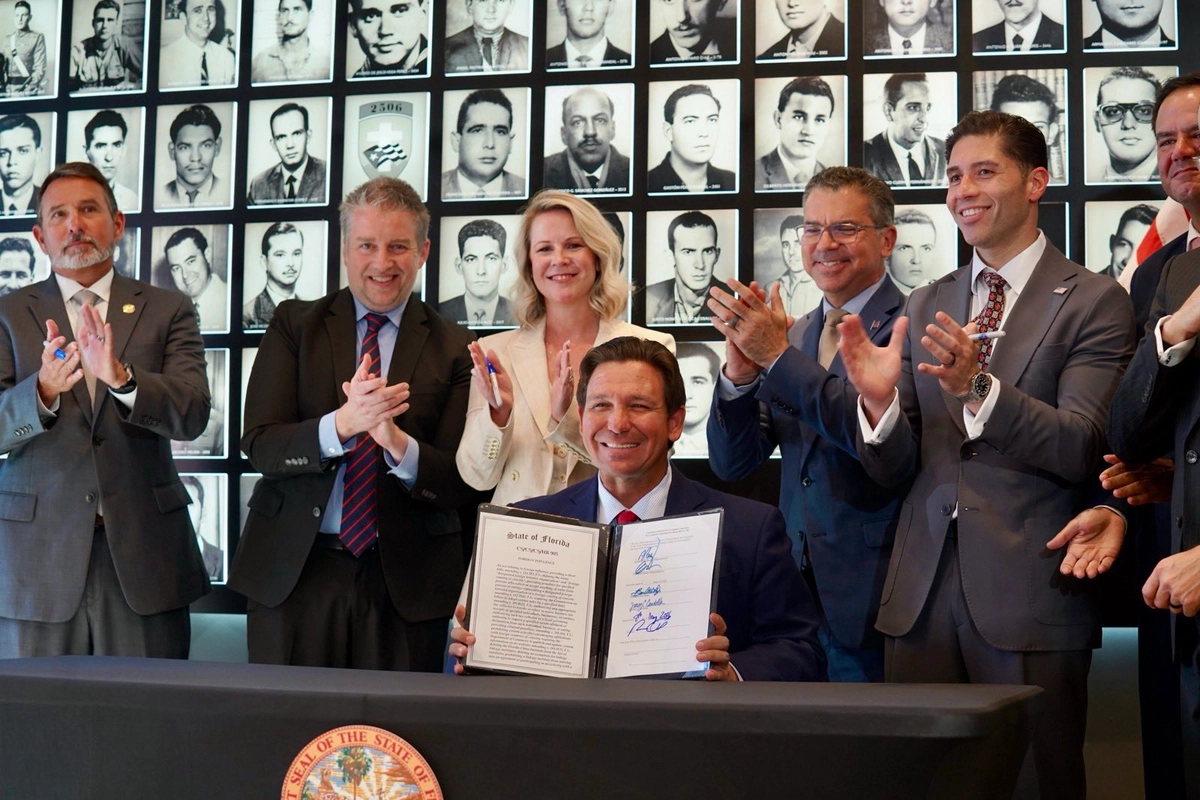
Signed into law by Governor Ron DeSantis on May 8, House Bill 905 requires cities, public agencies, universities, and other covered entities across the state to comply with new restrictions aimed at limiting ties to governments designated as foreign countries of concern.
The law applies to China, Russia, Iran, North Korea, Cuba, the Maduro regime in Venezuela, and Syria. Supporters argue that these nations have repeatedly sought to expand their influence through political, educational, economic, and cultural channels, making stronger safeguards necessary to protect Florida's institutions.
Among the most notable provisions is the termination of sister-city agreements and similar partnerships involving countries of concern. The legislation also removes the Florida-China Linkage Institute from state law and restricts educational and governmental collaborations connected to those nations.
In addition, the measure strengthens ethics requirements for public officials and government employees, increases transparency regarding foreign relationships, and imposes new restrictions on agreements involving public entities and foreign governments identified as potential security risks.
Governor DeSantis described the legislation as part of Florida's broader effort to defend the state from hostile foreign actors seeking to influence government operations, public institutions, critical infrastructure, and the economy. Supporters view the law as a proactive response to growing concerns about foreign governments attempting to gain leverage through partnerships and influence campaigns.
Critics may argue that such measures could limit international cooperation. However, supporters counter that cooperation and influence are not the same thing. After all, there's a significant difference between cultural exchange and allowing adversarial governments to establish footholds inside public institutions.
The law reflects a broader trend among policymakers who believe national and state security concerns require stronger oversight of relationships involving foreign adversaries. As the July 1 implementation date approaches, affected organizations are preparing to comply with the new requirements and adjust existing agreements accordingly.
For supporters of the legislation, the measure represents another step toward ensuring that Florida's public institutions remain accountable to the people of Florida rather than to foreign governments whose interests may conflict with those of the United States. As the law takes effect, state leaders hope it will strengthen transparency, security, and public confidence for years to come.