When it rains, it pours — unless, of course, you live in Iran, where it doesn’t rain at all. According to the United Nations’ own water experts, the Islamic Republic is running headfirst into what they’re calling “water bankruptcy,” and the consequences could shake the regime to its core.
Kaveh Madani, Director of the UN University Institute for Water, Environment and Health, told Fox News Digital that Iran’s decades of mismanagement and stubborn defiance of the West have finally caught up to them. “This water bankruptcy weakens Iran on the world stage,” he said. Well, you don’t say. Turns out, you can’t chant “Death to America” when you can’t even turn on the faucet.
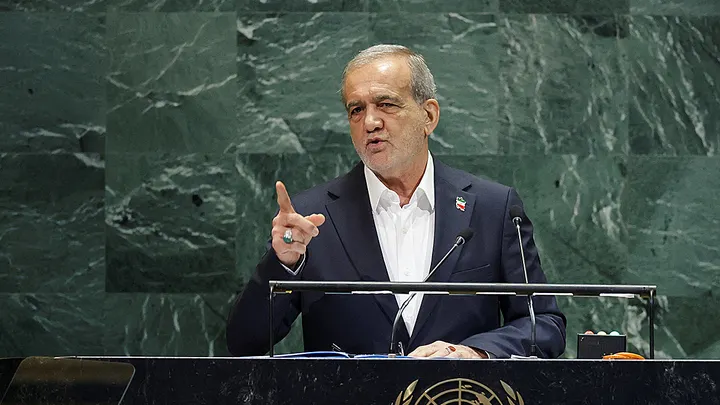
President Masoud Pezeshkian himself admitted that if the skies don’t open up soon, Tehran might have to be partially evacuated. One of the capital’s five major dams is already dry, and another is barely at 8% capacity. The energy minister even announced nightly water cuts to refill reservoirs — and asked citizens to reduce consumption by 20%. That’s not conservation; that’s desperation.
Madani didn’t sugarcoat it: “The house was already on fire,” he said, “and people like myself had warned the government for years that this situation would emerge.” Of course, the mullahs were too busy funding proxies, threatening Israel, and enriching uranium to notice that their own people were running out of water.
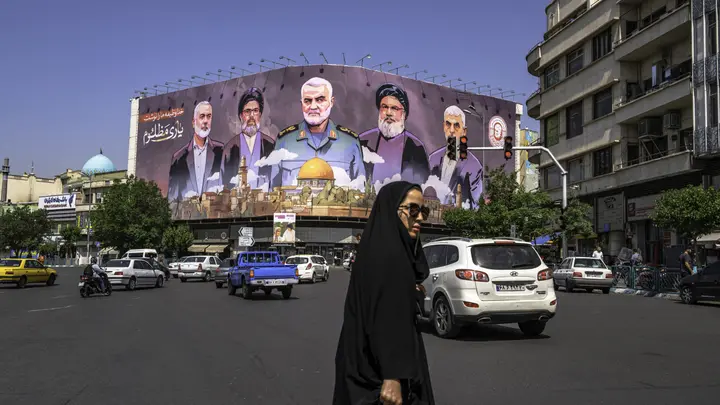
And speaking of uranium — the water shortage could soon do what sanctions haven’t: cripple Iran’s nuclear ambitions. Madani warned that “lack of rain means less hydropower generation,” which leads to “both water and power outages.” Even the most secretive facilities, like the one ominously called “Pickaxe Mountain,” can’t operate without electricity. Nature, it seems, doesn’t care much for Iran’s grandstanding.
The UN expert even hinted that this crisis could spark domestic unrest: “When people are out of water and electricity, you face domestic and national security problems that even Iran’s enemies… could have wished for this to happen.” In other words, the regime might finally face consequences not from Washington or Jerusalem — but from its own taps running dry.
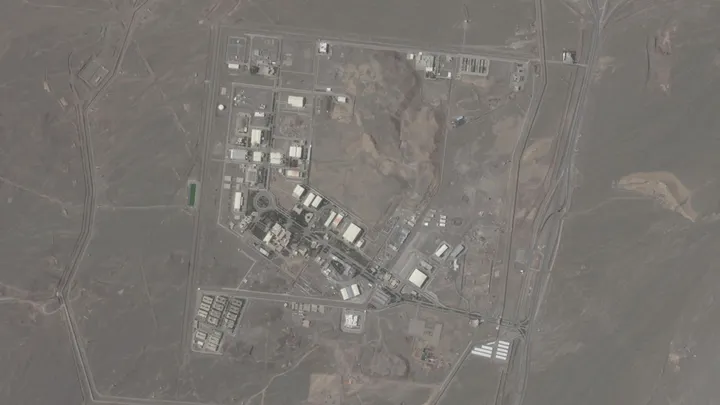
So while Tehran’s leaders like to talk tough about “resistance,” they might soon find themselves resisting thirst more than anything else. Maybe, just maybe, if they’d spent less time hating America and more time managing their own backyard, they wouldn’t be standing on the edge of environmental — and political — collapse.
Sometimes, the earth itself delivers the justice the politicians won’t.