The New York Times is once again facing backlash after publishing coverage critics say treated former Cuban leader Raul Castro with astonishing sympathy — despite decades of repression, poverty, and authoritarian rule under Cuba’s communist regime.
Columnist Michael Goodwin blasted the paper over what he described as the transformation of the once-respected “Gray Lady” into the “Pink Lady,” accusing the Times of whitewashing the legacy of a dictatorship that devastated an entire nation while millions of Cubans suffered under political oppression and economic collapse.
The controversy centers around a Saturday article discussing America’s murder indictment against Raul Castro, the longtime Cuban strongman who took power after his brother Fidel Castro and helped oversee one of the world’s most enduring communist regimes.
According to critics, the article appeared to frame Castro less as a brutal authoritarian ruler and more as an aging historical figure caught in political controversy — a portrayal many conservatives and Cuban Americans found deeply offensive given Cuba’s record of censorship, imprisonment, and human rights abuses.
For decades, Cuban families fleeing the island have told stories of political persecution, economic desperation, confiscated property, and lives shattered under communist control. Yet portions of the American media still seem strangely fascinated by socialist revolutionaries — especially the ones who never had to live under the systems they praise. Funny how admiration for communism almost always comes from people enjoying the freedoms capitalism provides.
Goodwin argued that the Times’ tone reflects a broader pattern among elite media outlets that often treat left-wing authoritarian leaders with a level of nuance and understanding rarely afforded to conservative figures or governments aligned with American interests.
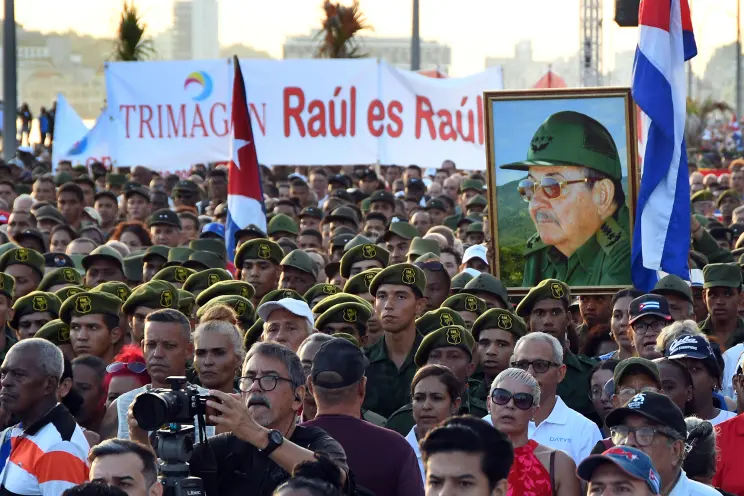
Raul Castro remained one of the central architects of Cuba’s communist system for decades, serving not only as president but also as a top military and political figure during years marked by crackdowns on dissent and widespread economic stagnation. Critics argue his leadership helped turn what was once one of the Caribbean’s most prosperous nations into a symbol of failed socialism.
The reaction also resonates strongly in communities like South Florida, where many Cuban Americans continue carrying firsthand memories of families forced to flee the Castro regime. For them, seeing American media appear sympathetic toward Castro-era leadership feels like a direct insult to those who suffered under communist rule.
The debate underscores the continuing ideological divide in American media coverage of socialism and authoritarianism. Conservatives increasingly argue that mainstream outlets minimize the human cost of leftist regimes while aggressively condemning political movements they disagree with domestically.
At the end of the day, millions of people didn’t risk their lives escaping Cuba because communism was misunderstood. They escaped because they experienced it firsthand. And no amount of polished media framing can erase the suffering, repression, and lost freedom endured under the Castro regime.