California Governor Gavin Newsom has signed a new election law that critics argue could weaken safeguards designed to protect the integrity of the state's voting system.
Senate Bill 73 was signed into law on May 27 and took immediate effect just days before California's elections began on June 2. Supporters of the legislation, including California State Senator Sabrina Cervantes, have described the measure as a way to protect and strengthen confidence in the state's election process.
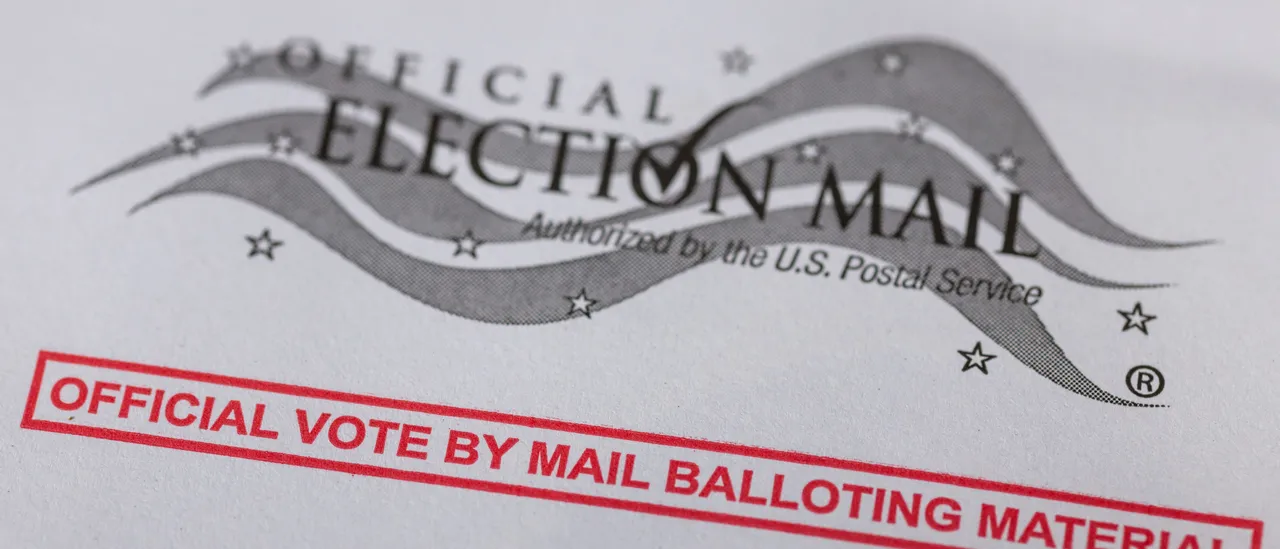
However, opponents contend that the law removes an important layer of mail-in ballot signature verification, raising concerns about the potential for errors, abuse, and diminished election security.
The timing of the legislation has also attracted attention. By taking effect immediately before voting began, critics argue that the changes were implemented without sufficient public scrutiny or debate. For many voters, altering election procedures just days before ballots are cast is hardly the ideal way to build confidence in the system.
Election integrity has remained a major issue across the country in recent years, with lawmakers and voters continuing to debate the balance between making voting more accessible and ensuring that safeguards remain in place to verify ballots and prevent fraud.
Supporters of stronger verification measures argue that signature checks serve as one of the most basic protections available in mail-in voting systems. They contend that removing layers of review increases the possibility that questionable ballots could be counted without adequate scrutiny.
Backers of the law, meanwhile, maintain that the changes are intended to improve election administration and ensure eligible voters are not disenfranchised due to technical issues or inconsistencies during the verification process.
The debate surrounding Senate Bill 73 is likely to continue as California conducts future elections under the revised rules. With trust in election systems remaining a priority for voters across the political spectrum, any changes to ballot verification procedures are certain to receive close attention.
As discussions over election security continue nationwide, many Americans will be watching to see whether the new law strengthens confidence in the process or fuels additional concerns about how elections are conducted. What remains clear is that transparent, secure, and trustworthy elections are essential to maintaining public confidence in democratic institutions.