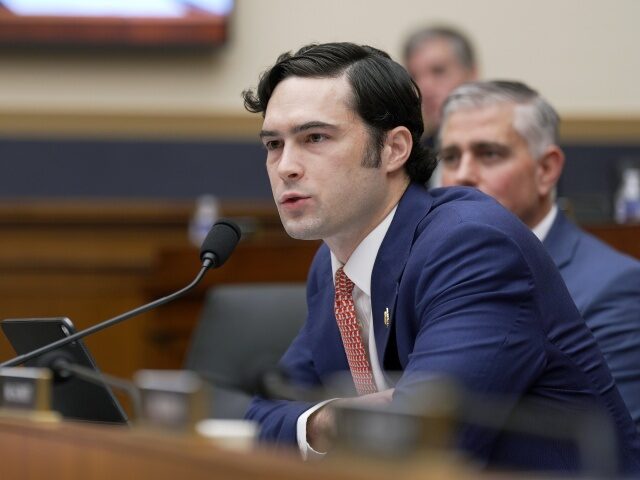
Rep. Brandon Gill (R-TX) led a House Oversight Committee task force hearing Tuesday focused on what he described as the Biden administration’s use of “backdoor amnesty” policies that allowed more than one million illegal immigrants to remain in the United States.
Opening the hearing, Gill argued that previous administrations and immigration advocacy groups had used the U.S. immigration system in ways that prioritized political objectives over the interests of American citizens.
“Prior administrations and the infinite amnesty lobby weaponized the U.S. immigration system both for political gain and at the expense of the American people, putting foreigners over our own citizens,” Gill said.
The Texas congressman sharply criticized former President Joe Biden’s immigration policies, claiming they contributed to a historic surge in illegal immigration and created significant challenges for communities across the country.
According to Gill, the administration permitted millions of migrants from around the world to enter or remain in the United States while failing to adequately vet many of those arrivals. He argued that the consequences have been felt throughout American society, particularly among working-class families.
Gill asserted that the influx has placed pressure on wages, public services, schools, and healthcare systems while contributing to broader cultural and demographic changes throughout the country.
The hearing reflects ongoing Republican efforts to examine immigration policies implemented during the Biden administration and to evaluate programs that critics argue effectively granted legal protections or temporary status to large numbers of migrants without congressional approval.
Supporters of stricter immigration enforcement have long argued that executive actions should not be used to circumvent immigration laws passed by Congress. They contend that immigration policy should prioritize border security, enforcement, and the interests of American workers.
Opponents of those arguments maintain that humanitarian concerns and practical realities require flexible approaches to immigration management, particularly when dealing with large numbers of migrants and asylum seekers.
The debate comes as immigration remains one of the most important political issues facing the country. Republicans have consistently pointed to border security and illegal immigration as major concerns, while Democrats have generally emphasized broader immigration reforms and humanitarian protections.
For Gill and other lawmakers supporting stronger enforcement measures, the hearing was intended to spotlight policies they believe contributed to unprecedented levels of illegal immigration. As usual, immigration remains one of those issues where everyone agrees there is a problem, but Washington somehow manages to spend years arguing about whose fault it is.
As congressional investigations continue, immigration policy is expected to remain a central focus of debate heading into future legislative battles and national elections. Supporters of reform and enforcement alike agree on one point: the consequences of federal immigration policy affect communities across the nation, making the issue impossible for lawmakers to ignore.