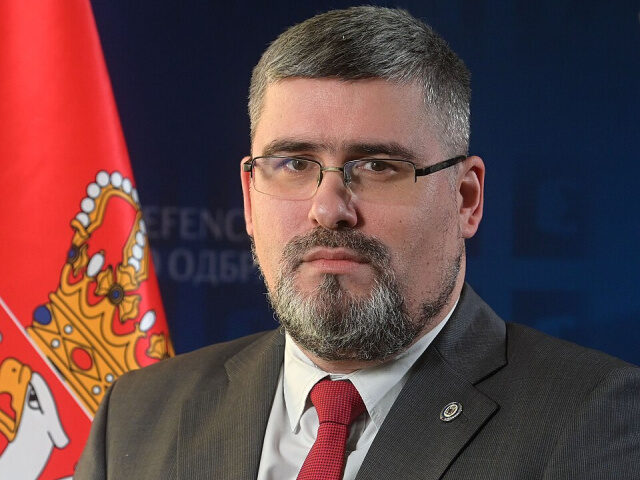
Serbia’s Minister of European Integration, Nemanja Stavorić, offered a strong defense of what he described as President Donald Trump’s “common sense” approach to governance while criticizing what he sees as the rise of “undemocratic liberalism” across much of the Western world.
In an exclusive interview with Breitbart News, Stavorić argued that many governments are increasingly being labeled “illiberal democracies” simply for implementing policies that reflect the preferences of their voters rather than adhering to progressive political trends.
The Serbian official, who previously served as state secretary in both Serbia’s Ministry of Defense and Ministry of Foreign Affairs, discussed what he views as a growing disconnect between democratic institutions and the will of ordinary citizens.
According to Stavorić, governments that pursue policies centered on national interests, border security, traditional values, or popular public concerns are often criticized by political and media elites despite carrying out what he described as the genuine wishes of their electorates.
He contrasted those approaches with what he called “undemocratic liberalism,” a system in which unelected institutions, bureaucracies, and ideological movements exert increasing influence over public policy regardless of voter preferences.
During the interview, Stavorić reflected on a discussion held during Breitbart Washington Bureau Chief Matthew Boyle’s recent visit to Serbia. He reiterated his belief that democratic systems function best when elected leaders remain accountable to voters rather than external political pressures or elite consensus.
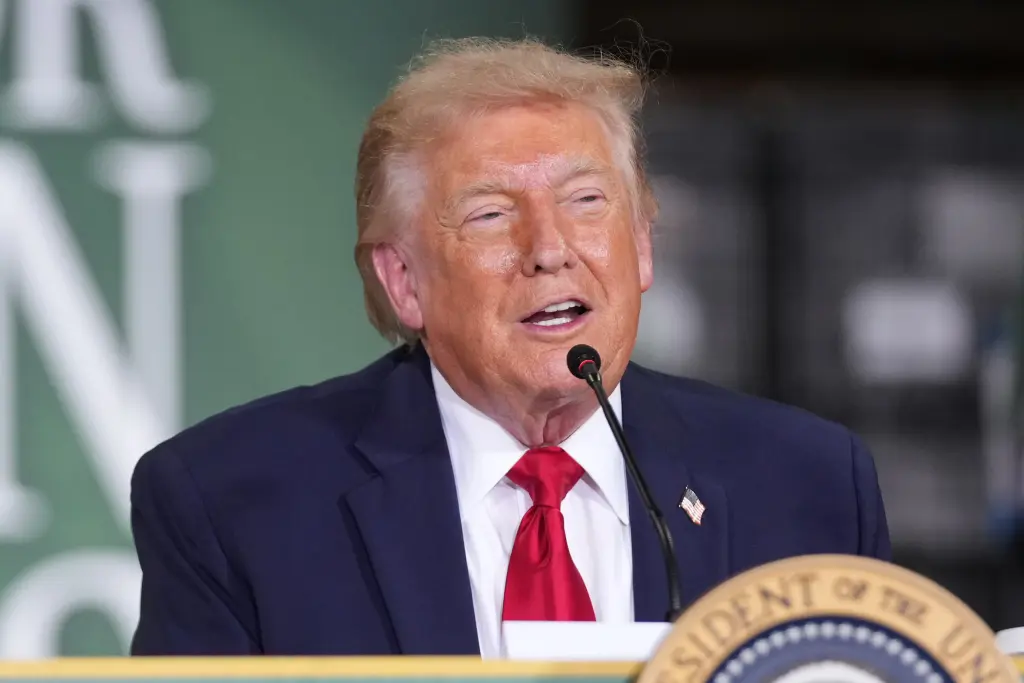
The minister pointed to President Trump's political movement as an example of leaders responding to public concerns through what he characterized as practical and straightforward policies. Supporters of Trump often describe this approach as prioritizing national sovereignty, economic growth, law enforcement, and border security over ideological activism.
Critics of populist movements frequently use terms such as “illiberal democracy” to describe governments that challenge established political norms. However, Stavorić suggested that the label is increasingly being applied to leaders who simply implement policies supported by a majority of voters. Apparently, listening to voters is now controversial in some circles.
The broader debate touches on fundamental questions facing democracies throughout Europe and North America: Should elected governments primarily reflect the preferences of voters, or should broader institutional and ideological frameworks play a larger role in shaping policy outcomes?
For Stavorić, the answer is clear. He argues that democratic legitimacy depends on respecting the choices of citizens and ensuring that public policy reflects the concerns of the people who elected their leaders.
As political debates continue across the Western world, the Serbian minister's remarks highlight growing discussions about national sovereignty, democratic accountability, and the role of government in representing public opinion. Whatever one's perspective, those issues are likely to remain central to political discourse for years to come.