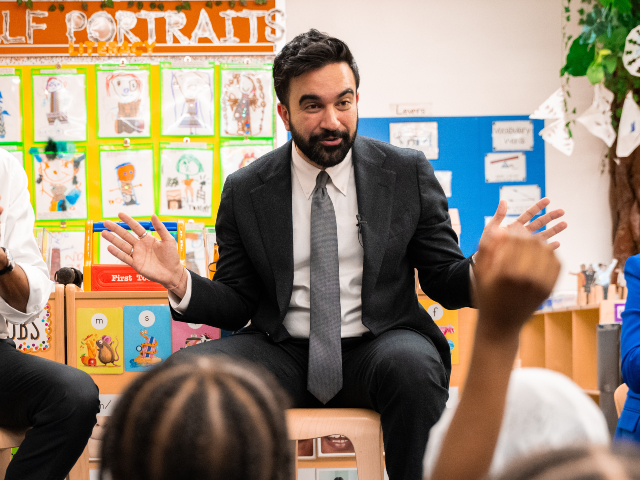
New York City Mayor Zohran Mamdani is once again advancing a far-left vision for government expansion, this time promoting universal childcare programs that would include children as young as two years old.
During recent remarks, Mamdani celebrated the city’s decision to extend 100,000 offers for pre-K and 3-K programs across New York City’s five boroughs, presenting the initiative as part of a broader push toward government-funded early childhood care.
“I want to also shout out something that we did a few days earlier,” Mamdani said, referring to the expansion of the childcare offers for families throughout the city.
Supporters of the program argue expanded childcare helps working parents manage rising living costs in one of America’s most expensive cities. But critics see something much larger unfolding: another step toward an increasingly government-dependent model where bureaucracies insert themselves earlier and earlier into family life.
Conservatives have long warned that progressive politicians often frame massive government expansion as “helping families,” while quietly growing taxpayer burdens and reducing parental influence over early childhood development. Because apparently in modern socialist politics, no child is too young for another government program.
Mamdani, who openly embraces democratic socialist policies, has built his political identity around expanding public spending, social welfare programs, and government-run services. His agenda has sparked strong reactions from both supporters and critics as New York City continues grappling with affordability issues, crime concerns, strained public services, and budget pressures.
Opponents of universal childcare expansion also question the long-term cost of maintaining such programs, particularly in cities already facing financial strain. Critics argue taxpayers are repeatedly asked to fund ambitious progressive initiatives while basic city services and quality-of-life issues remain unresolved.
Others worry about the cultural implications of government becoming increasingly involved in raising children at younger ages, emphasizing that parents — not political systems — should remain the primary influence during a child’s earliest developmental years.
At the same time, advocates insist expanded childcare access gives lower-income families opportunities they might not otherwise have and allows more parents to participate in the workforce.
The debate ultimately reflects a larger national divide over the role of government in American life. Progressives continue pushing for broader state involvement in education, healthcare, childcare, and economic support systems, while conservatives argue stronger families, local communities, and economic freedom — not bigger government — remain the foundation of a healthy society.
As New York continues moving deeper into progressive policymaking under Mamdani’s leadership, many Americans are watching closely to see whether the city becomes a model for future Democratic priorities — or another warning about the limits of government expansion.