In a world where higher education is supposed to mold young adults into capable thinkers with marketable skills, there used to be one basic expectation: college students should at least be able to handle an opinion they don’t agree with. Preferably without melting into a puddle of outrage. You know — grown-up stuff.
But today’s universities seem far more interested in teaching students what to think instead of how to think. Disagreement? Off-limits. Critical thinking? Optional. And heaven forbid a young adult expresses an opinion that doesn’t align with the campus hive mind — better to keep quiet and avoid the mob.
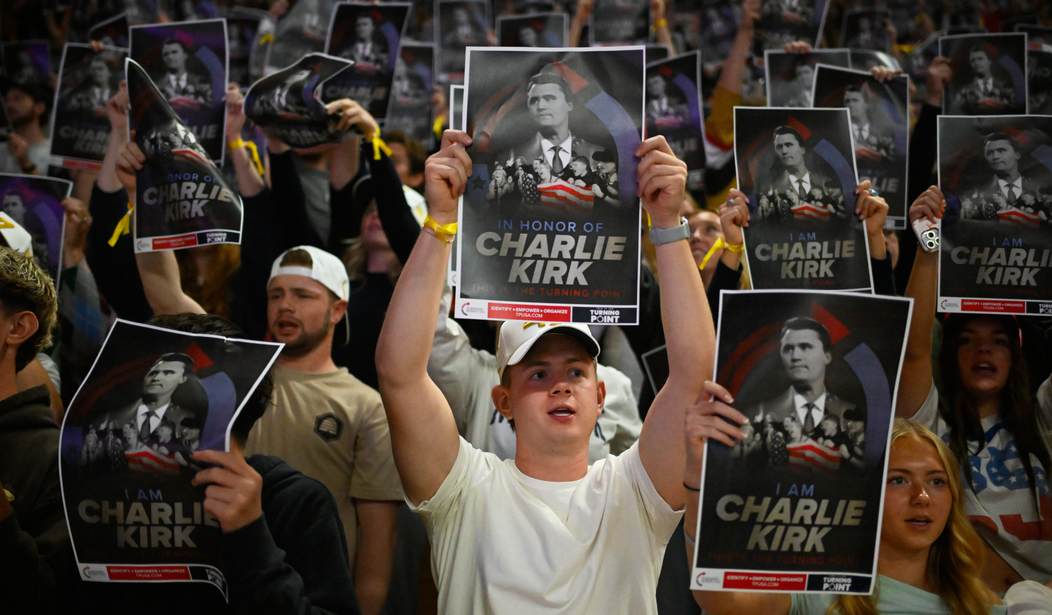
Now, according to a new survey from the Foundation for Individual Rights and Expression (FIRE), things have gotten even worse in the wake of Charlie Kirk’s assassination. Yes — even after one of the most outspoken conservative voices was murdered on a college campus, students are becoming less willing to engage with anything “controversial.” Shocking, I know.
FIRE’s survey found that half of America’s college students now feel less comfortable attending controversial campus events, and nearly half feel less comfortable voicing opinions on controversial topics in class. Chief Research Advisor Dr. Sean Stevens told The Center Square that Kirk’s September assassination at Utah Valley University “has had a chilling effect — not just at UVU, but across the country.”
FIRE surveyed 2,028 undergraduates nationwide — including an oversample of 204 students at UVU — to understand how the assassination shaped student behavior. Interestingly, Stevens said some UVU data showed “encouraging” signs of increased tolerance and trust in free-speech protections. A rare bright spot, considering the state of modern academia.
But let’s be real: when students say “controversial,” they almost certainly mean conservative. Because on most campuses today, a conservative viewpoint is treated like a hazardous chemical — dangerous, forbidden, and must be shut down immediately.
And here is the deeply troubling part:
Stevens said the assassination “appears to have deepened existing ideological fractures between liberals and conservatives on campus.” According to a FIRE press release, after the assassination, moderate and conservative students became less likely to support tactics like shouting down speakers, blocking event access, or using violence to stop a speech.
Meanwhile, liberal students’ support for those same tactics stayed the same — or increased slightly.
In other words, the far-left is becoming even more comfortable with disruption and force to silence their opposition. These are the same people who constantly preach that “violence breeds violence,” of course — but consistency isn’t exactly their strong suit.
So here’s a simple solution universities could adopt any time they feel like growing a spine:
If a student disrupts an event, silences a speaker, or interferes with free speech — expel them. Permanently. No suspensions, no slaps on the wrist. Gone. If a faculty member does it — fire them, no paid vacation disguised as “administrative leave.” And if anyone commits physical harm or property damage — prosecute them in a real courtroom, not in a cozy campus mediation circle.
Because free speech means everyone gets to speak — not just those with the loudest bullhorn and the most colorful protest signs.
If someone disagrees with a speaker, they should ask questions, debate, and engage — exactly what Charlie Kirk did, right up until a leftist extremist chose to silence him with a bullet.
And despite the tragedy, the message remains: open discourse, free speech, and real debate are worth defending — and they always will be.