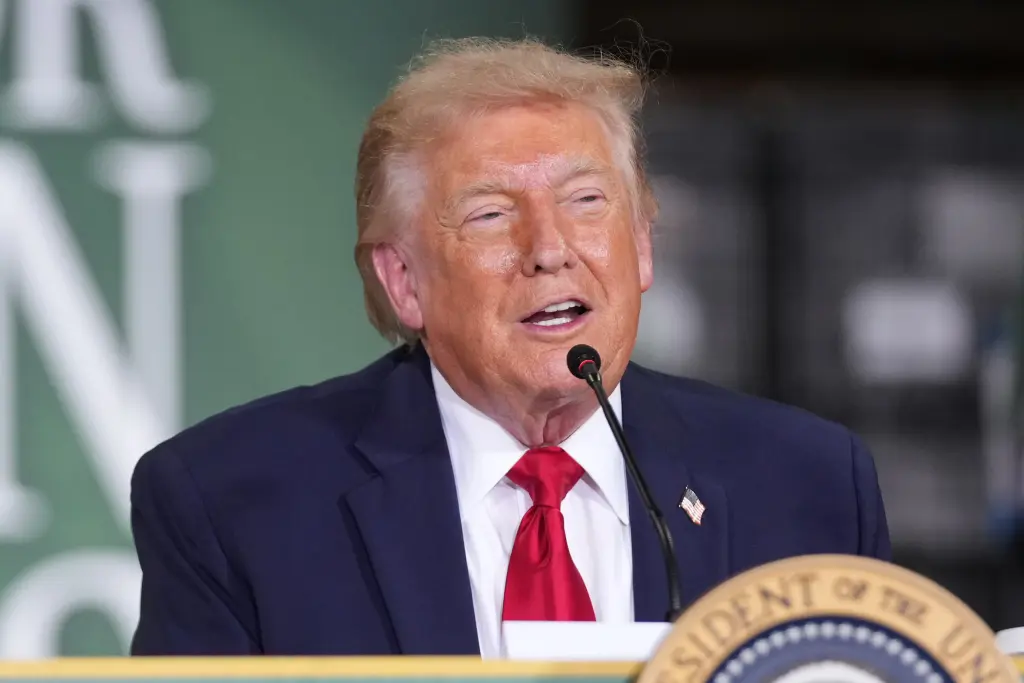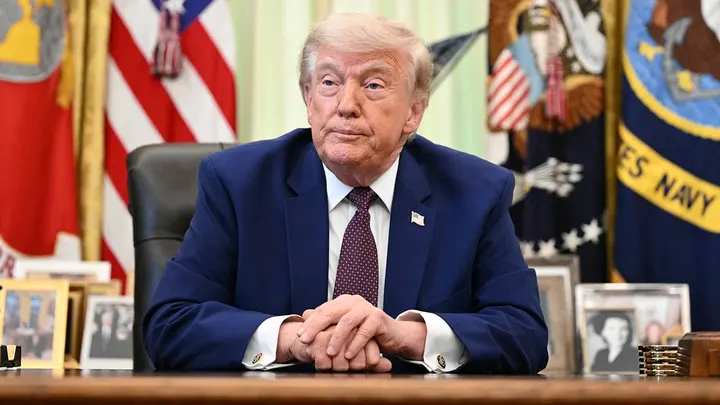
President Donald Trump's push for stronger election safeguards received a potential boost in the Senate this week, as the Safeguarding American Voter Eligibility (SAVE) America Act showed renewed signs of life despite facing resistance from both Democrats and some Republicans.
The legislation, which would strengthen voter identification and citizenship verification requirements, has been a key priority for supporters who argue that only American citizens should participate in federal elections and that election integrity measures are essential to maintaining public confidence in the voting process.
During the Senate's marathon "vote-a-rama" on a $70 billion Republican immigration enforcement package, GOP lawmakers made two separate attempts to attach the SAVE Act to the broader legislation.
Both efforts ultimately failed. A group of Republican senators joined Democrats in opposing the amendments offered by Senator Lindsey Graham of South Carolina and Senator Mike Lee of Utah. Even with full Republican support, however, the proposals faced an uphill battle because they needed enough votes to overcome the Senate filibuster threshold.
Despite the defeats, supporters of the legislation see reason for optimism. The fact that Republicans continued pushing the issue during one of the Senate's most significant legislative battles suggests that election security remains a priority for many lawmakers and voters.
The SAVE Act has become a focal point in the broader national debate over election integrity. Backers argue that requiring proof of citizenship and strengthening voter verification procedures are common-sense measures designed to protect the credibility of elections. Opponents contend that additional requirements could create obstacles for eligible voters and are unnecessary given existing safeguards.
The Senate votes also exposed divisions within the Republican Party. While many GOP lawmakers strongly support the legislation, others expressed concerns about legislative strategy or the practicality of attaching the proposal to a larger immigration package.
Still, advocates of the bill note that issues often gain traction through repeated legislative efforts. In Washington, an idea is rarely dead simply because it loses one vote. If that were the case, Congress would have run out of legislation decades ago.
For supporters of election reform, the latest developments demonstrate that the SAVE Act remains very much part of the conversation. While the bill faces significant procedural and political hurdles, its continued presence in Senate debates suggests the issue is unlikely to disappear anytime soon.
As Congress continues to wrestle with immigration, border security, and election policy, the fight over voter identification and citizenship verification appears poised to remain a major topic in the months ahead. For now, supporters of the SAVE Act can point to one clear takeaway: despite predictions of its demise, the legislation is still alive and still moving through the political process.