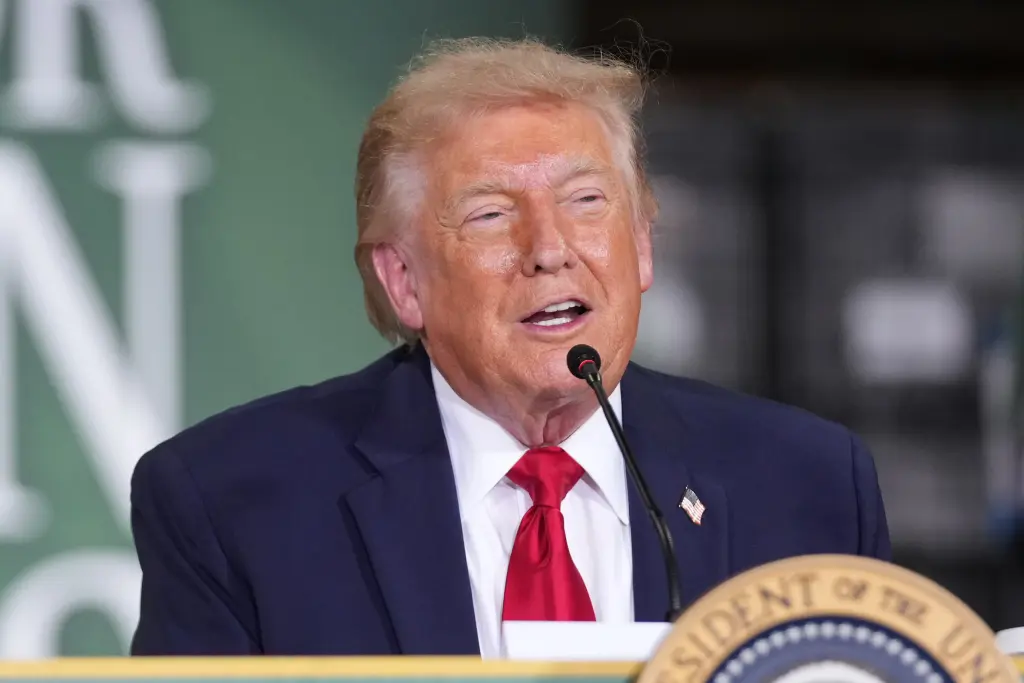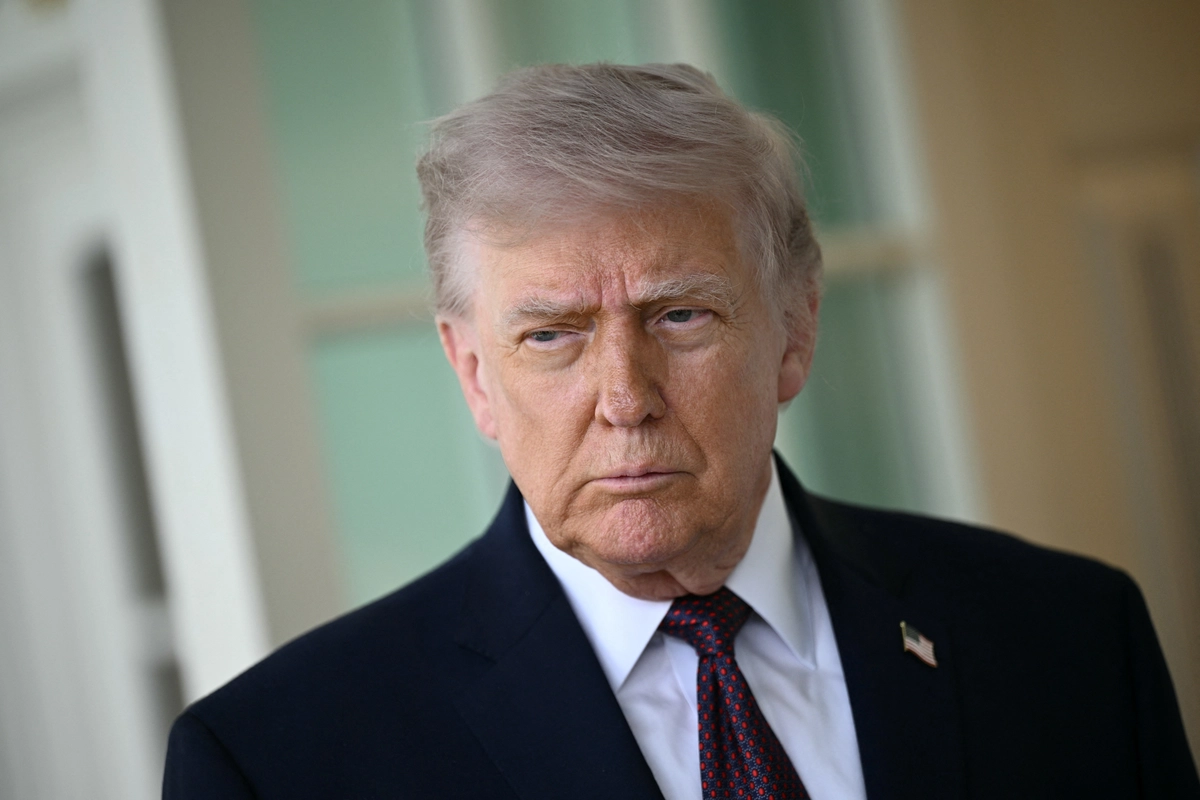
President Donald Trump said Tuesday that negotiations between the United States and Iran are entering the “final throes,” signaling that a potential agreement aimed at permanently preventing Tehran from obtaining nuclear weapons could be within reach.
Speaking to reporters at John F. Kennedy International Airport in New York, Trump expressed optimism about the ongoing diplomatic efforts and suggested that both sides are making progress toward a final resolution.
The president's comments came as tensions between Iran and Israel appeared to ease following their most direct military confrontation since the ceasefire reached in April. After a weekend exchange of missile strikes raised fears of a broader regional war, both countries stepped back from further attacks, allowing diplomatic efforts to regain momentum.
Iranian officials also expressed hope that negotiations could be concluded by the end of June, adding to expectations that a breakthrough may be approaching.
Trump emphasized that diplomacy remains his preferred path forward, arguing that a negotiated settlement is far better than allowing the region to slide into another prolonged conflict. After months of uncertainty, the prospect of replacing missiles with meetings is welcome news for just about everyone.
A successful agreement would aim to permanently prevent Iran from developing nuclear weapons, an objective that has been a central concern for the United States, Israel, and many allies throughout the Middle East for years.
The easing of hostilities between Israel and Iran has also raised hopes that stability could return to key shipping routes, including the Strait of Hormuz. The strategic waterway is one of the world's most important energy corridors, and disruptions there have historically contributed to higher energy prices and increased economic uncertainty worldwide.
Financial markets and global leaders are closely monitoring the negotiations, recognizing that a durable agreement could reduce geopolitical tensions while providing greater predictability for international trade and energy supplies.
While significant details remain unresolved, Trump's comments suggest that negotiators believe a framework is beginning to take shape. Both Washington and Tehran appear eager to avoid a return to military confrontation and instead pursue a diplomatic solution.
As talks continue, the focus remains on securing a deal that addresses security concerns, prevents nuclear proliferation, and helps stabilize a region that has experienced months of conflict and uncertainty.
For now, optimism appears to be growing. If negotiators can successfully finalize an agreement in the coming weeks, it could represent a major diplomatic achievement and offer a path toward greater peace, security, and stability in the Middle East.