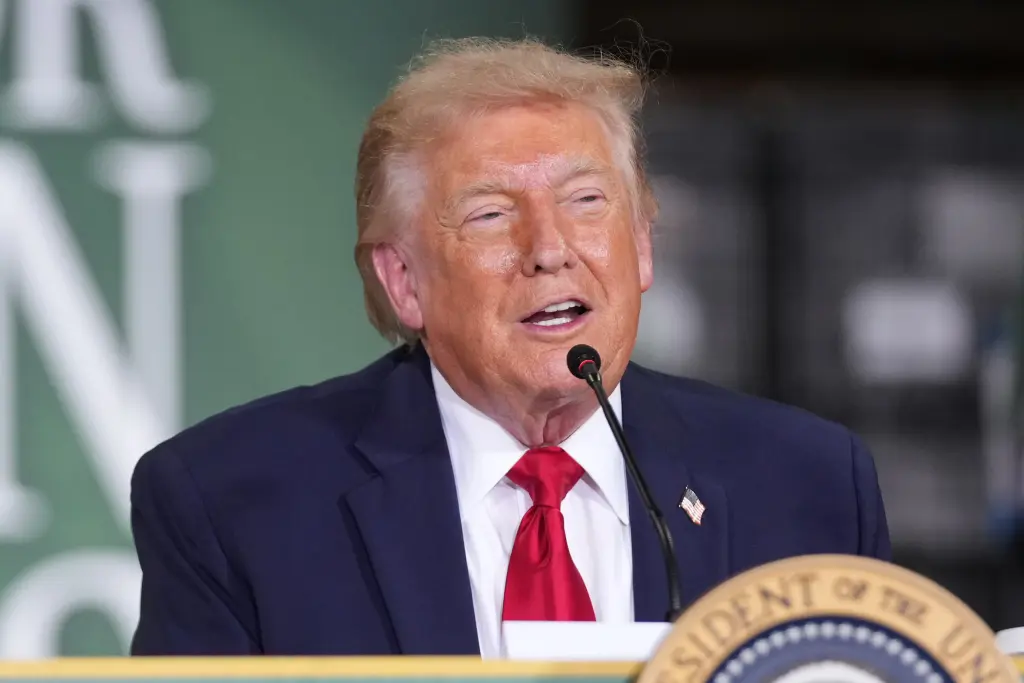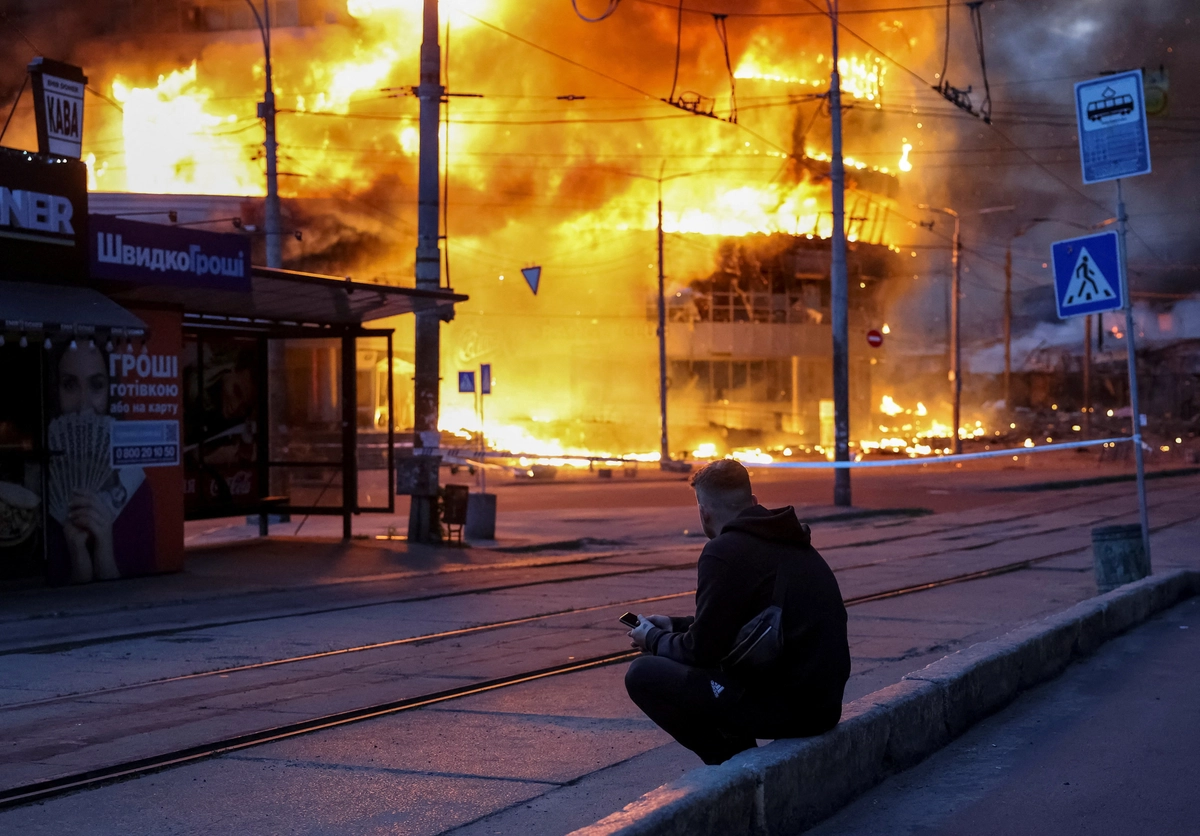
The United States renewed its push for peace in Ukraine on June 8, calling for an immediate ceasefire and a negotiated end to the war during a meeting of the United Nations Security Council.
Speaking before the council, U.S. envoy Dan Negrea urged both Ukraine and Russia to take steps toward ending the conflict and begin moving toward a diplomatic resolution.
Washington is calling on “both sides to immediately agree to a comprehensive ceasefire leading to a negotiated end to the war,” Negrea said, emphasizing that the ongoing violence must come to an end.
“The cycle of retaliation, escalation, violence, and death must stop,” he told council members.
Negrea, who serves as the U.S. representative to the U.N. Economic and Social Council, acknowledged that previous rounds of negotiations have not produced the breakthroughs necessary to achieve lasting peace. Despite multiple diplomatic efforts, talks have so far failed to generate the exchanges and concessions needed to bring the conflict to a close.
The comments reflect the Trump administration's continued emphasis on pursuing diplomatic solutions to major international conflicts. While military confrontations often dominate headlines, administration officials have repeatedly argued that negotiated settlements offer the best path toward long-term stability and security.
The war in Ukraine has imposed enormous human and economic costs since it began, affecting not only the countries directly involved but also global energy markets, food supplies, and international trade. As a result, growing attention is being placed on whether diplomatic channels can finally produce meaningful progress.
Supporters of ceasefire efforts argue that stopping the fighting is the necessary first step toward any lasting agreement. Critics, however, continue to debate what terms would be acceptable to both sides and whether a negotiated settlement can address the core issues that fueled the conflict.
For now, the United States is making its position clear: the time has come to move beyond escalation and focus on diplomacy. After years of conflict, most people would agree that peace talks are preferable to watching another round of destruction unfold.
Whether the latest appeal gains traction remains uncertain, but Washington's message at the United Nations was unmistakable. The administration is urging both sides to pursue a comprehensive ceasefire and begin the difficult work of securing a negotiated end to one of the world's most consequential conflicts.
As international efforts continue, hopes remain that diplomacy can eventually succeed where years of fighting have failed, bringing greater stability and a chance for lasting peace to the region.