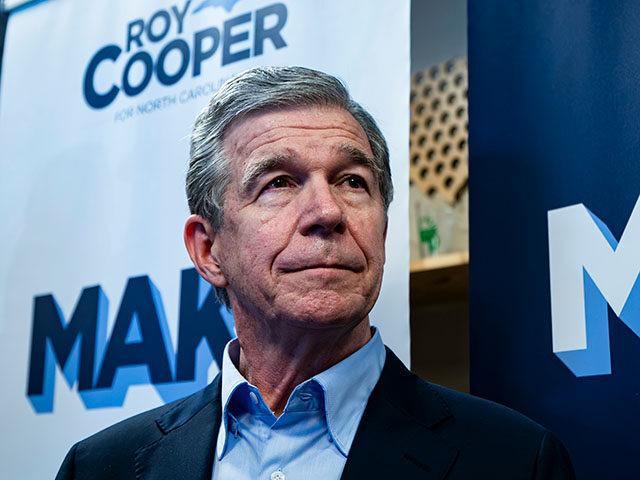
A new North Carolina State Auditor report is putting a spotlight on alleged weaknesses in the state’s unemployment system, finding that tens of millions of dollars in fraudulent payments were issued during and after former Gov. Roy Cooper’s administration — an issue now quickly becoming political ammunition in an already high-stakes U.S. Senate race.
According to the audit, approximately $47.2 million in fraudulent unemployment insurance payments were distributed through North Carolina’s Division of Employment Security between April 1, 2021, and March 31, 2025. The report attributes the payments to systemic failures within the program overseen by the state’s Department of Commerce during the audit period.
Cooper, a Democrat who served as governor from January 2017 to January 2025, is now running for U.S. Senate against Republican National Committee Chair Michael Whatley, turning the findings into an immediate point of political contention.
The report has intensified debate over government oversight, fraud prevention, and accountability in public benefit systems — particularly in the aftermath of pandemic-era expansions that significantly increased unemployment claims across the country.
Republicans are expected to seize on the findings as evidence of broader administrative mismanagement and insufficient safeguards in state-run benefit programs. From their perspective, large-scale fraud represents not only financial waste but also a breakdown in basic government responsibility to taxpayers.
Democrats, however, are likely to argue that unemployment systems nationwide were overwhelmed during the pandemic period, when states were forced to rapidly process unprecedented volumes of claims under emergency conditions. They often point out that fraud detection systems were under strain and that recovery efforts have been ongoing.
The audit also notes that only a portion of the improperly distributed funds have been recovered so far, underscoring the long-term challenge states face in clawing back fraudulent payments once they are issued.
As Cooper enters a competitive Senate race, the report adds a new layer of scrutiny to his tenure as governor — even as his campaign argues that administrative performance during an unprecedented public crisis should be viewed in context.
Still, the broader political impact may extend beyond North Carolina. Questions about pandemic-era spending, fraud prevention, and oversight continue to resonate nationally, particularly among voters concerned about government accountability and fiscal responsibility.
For both parties, the issue is less about a single report than what it represents: competing narratives over how effectively government managed one of the most disruptive economic periods in modern history — and who should be held responsible for the failures that emerged from it.