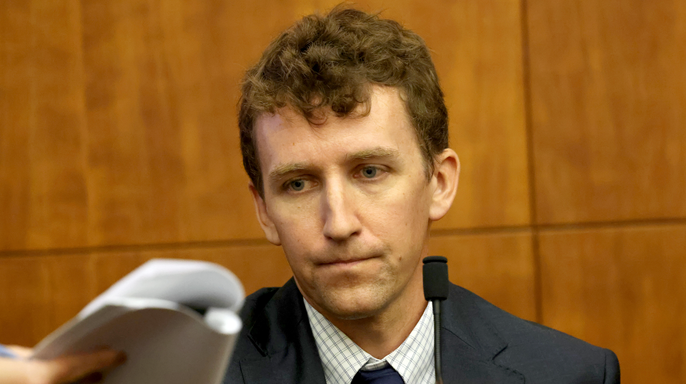
"Just give me one." These agonizing words from Patrick Clancy, spoken from the depths of a father's unimaginable grief, reveal the raw despair of a man whose world was shattered when his three young children were brutally taken from him. In his first interview on CBS News' "60 Minutes," Clancy offered a heartbreaking glimpse into the final moments of his children's lives, the burden of forgiving his wife, Lindsay, who stands accused of their murders, and the insidious "trial by TikTok" that has poisoned their memory.
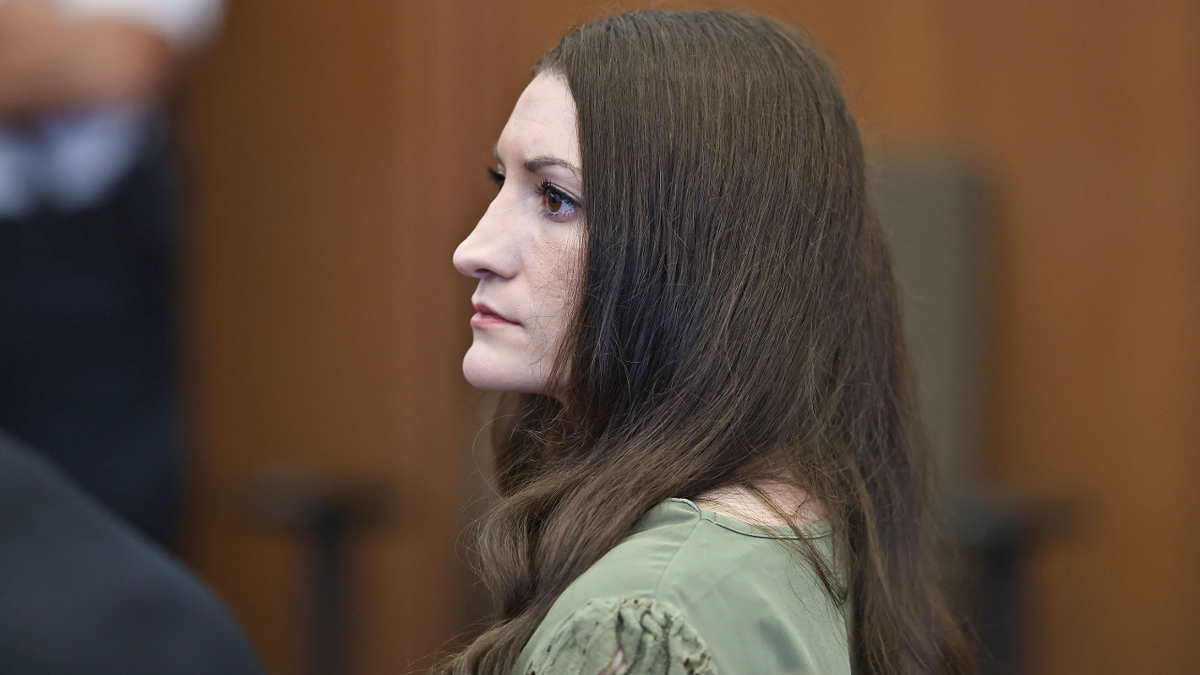
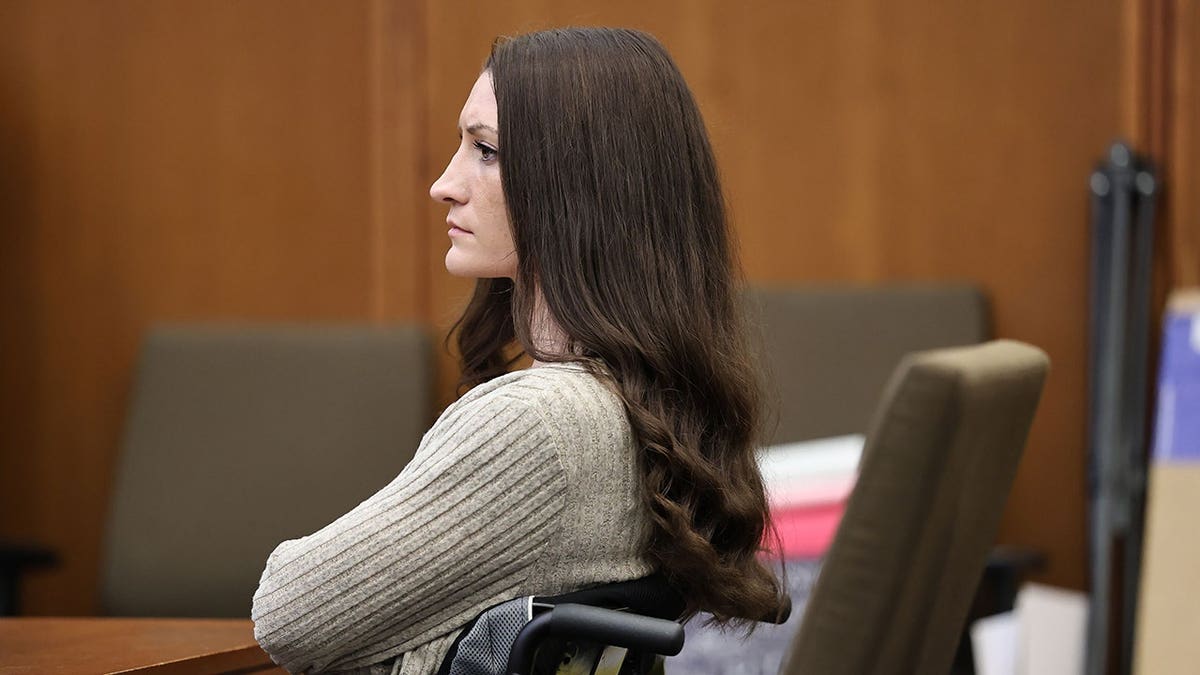
The harrowing interview aired following a mistrial in Lindsay Clancy's triple-murder case, where her attorneys argued she suffered from postpartum psychosis, claiming she was not criminally responsible. Prosecutors, however, maintained she acted with full awareness of her horrific actions. From his desperate plea for his youngest child's survival to the relentless online attacks that followed the legal deadlock, Patrick described how this unparalleled tragedy has reshaped every part of his existence.
Patrick Clancy recounted clinging to a flicker of hope that baby Callan might defy the odds after his older siblings, 5-year-old Cora and 3-year-old Dawson, were found dead in the family's Duxbury, Massachusetts, home. Doctors had managed to restore the infant's heartbeat, and a father's mind, desperate for solace, began to envision a future, however broken, with his youngest son.
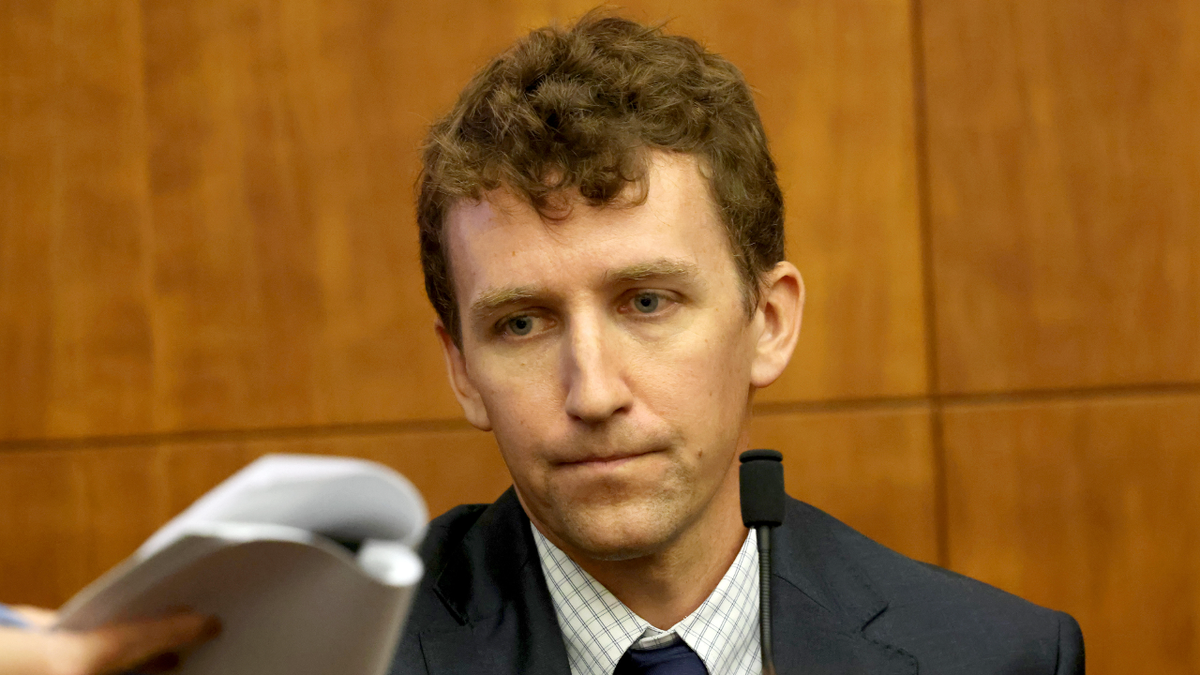
"I remember that night, I really thought there was a chance that Callan would live," Patrick shared, his voice heavy with the memory. "And I remember just thinking, ‘Just give me one. Just give me one kid.’ And I would raise him as best I could, and I would give him the best life I possibly could. And I'd tell him about his brother and sister."
That fragile hope, however, was brutally extinguished upon his arrival at Boston Children's Hospital, where a doctor's somber gaze confirmed his deepest fears. Callan's tiny heart continued to beat for four more days. Patrick, overcome with emotion, recalled apologizing to his son, holding him close, and watching him slip away in his arms.
"I said, ‘I'm so sorry,’" he told Douthat, his voice breaking. "And I got to hold him. I got to lay down next to him. And he died in my arms." During those agonizing days, with Callan clinging to life, Patrick used his free hand to write about all three children, driven by the profound fear that their cherished memories might vanish if he didn't immortalize them in words.
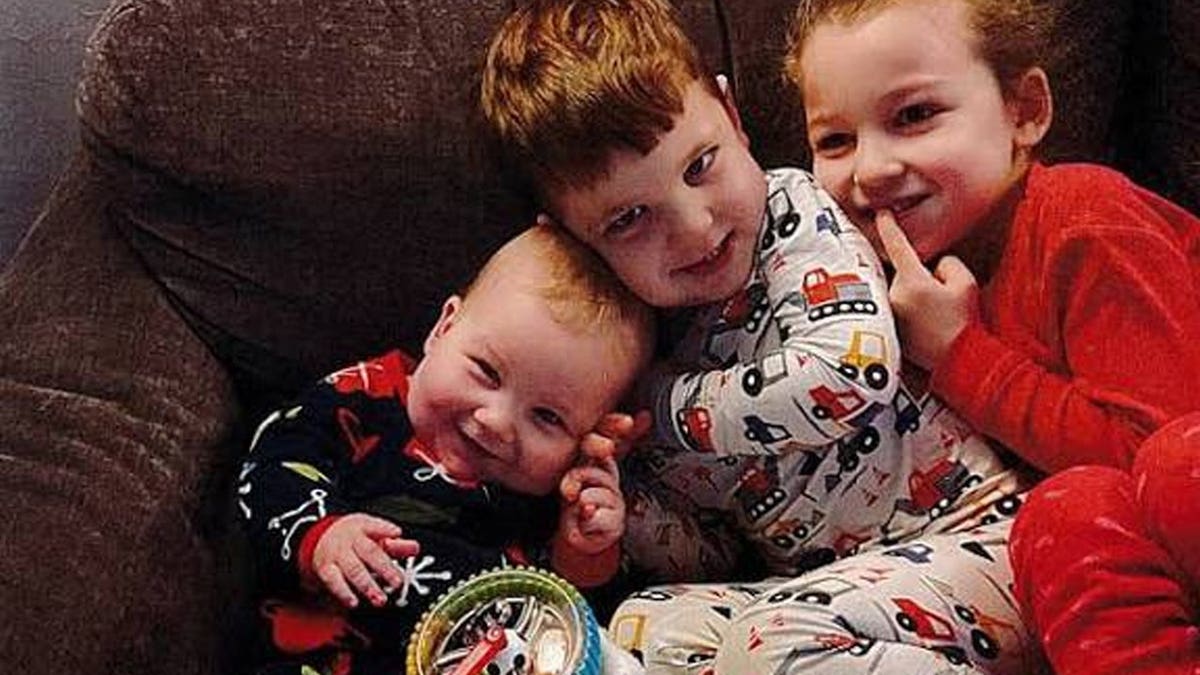
Remarkably, the tributes Patrick penned included words of forgiveness for Lindsay. He revealed that she never sought his forgiveness, but he chose to offer it anyway, believing it was essential for his own survival. "I saw headlines that said, you know, ‘killer mom’ and ‘baby murderer,’ ‘monster,’ and none of them were accurate," Patrick stated in the interview. "I believe that it was her mental illness that caused that." He also feared that an unyielding anger would consume him entirely if he could not reach that difficult place of forgiveness. "I felt that if I didn't get there, I would be eaten up inside," he admitted.
When pressed about her memory of the horrific acts, Lindsay described it as dreamlike. "She said it was like a dream, and she remembered it much in the way you would remember a dream after waking up," Patrick recounted. He believes he did his utmost as Lindsay’s condition spiraled, but the outcome is a burden he carries daily. "I think I did the best I could with what I had at the time, and I live with the outcome," he said. "I live with it every day."
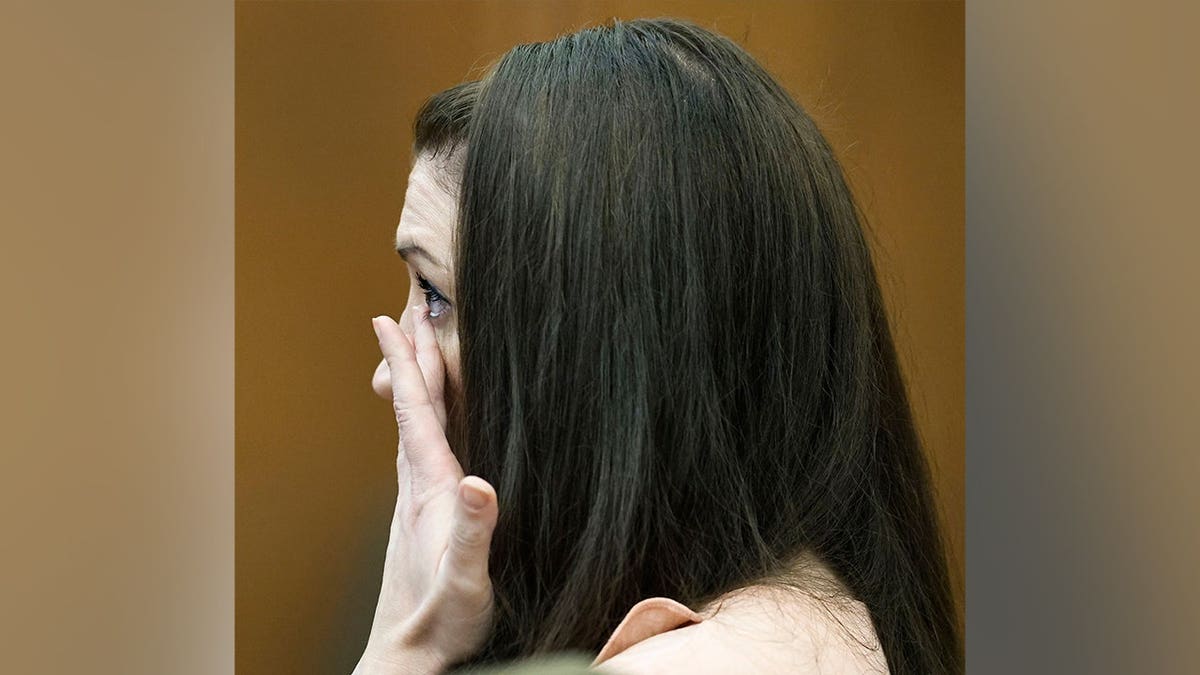
The sheer weight of his grief, Patrick confided, became so overwhelming that he questioned his will to live. "There was a time where I didn't think I would live to see my 35th birthday, and I was completely fine with it," he recalled. Seeking escape from recognition and judgment, Patrick eventually moved to New York City. There, five weeks after the move, on what would have been Callan’s first birthday, he found solace lighting a candle at St. Patrick's Cathedral, whispering, "I love you, buddy."
"And I walk out on Fifth Avenue and I start crying my eyes out, and nobody cared," Patrick recounted. For a man living through public agony, the anonymity of the city provided exactly what he desperately needed: a space to grieve without drawing attention. "I thought, this is where I need to be," he realized. "I can grieve." His Manhattan apartment remains a sanctuary filled with poignant reminders of his children, including Cora's beloved baby sloth and a photograph of Callan sporting an oversized bow tie. Even in his dreams, they return, vividly real, offering momentary solace.
Perhaps one of the most disturbing revelations from the interview was the "trial by TikTok" that erupted after the mistrial. Douthat described an online firestorm where self-proclaimed digital sleuths and influencers propagated baseless theories, painting Patrick as uncaring, unfaithful, and even implicating him in his children's deaths. "It's deeply harmful to the legacy of my children," Patrick declared. "It is a huge distraction from what really matters here, which is perinatal mental health, and it's done real harm to real people." This egregious spectacle of online vigilantism not only poisoned the narrative but also caused immense personal anguish, making public appearances agonizing. "After seeing lie after lie after lie, they start to believe it," Patrick lamented. "And that's what we're left with."
Amidst his personal reconstruction, Patrick found love and a new partner in Dr. Rachel Danis, who joined him for the "60 Minutes" interview. She recounted discovering his tragic past after noticing a photograph of his children on his phone. Their relationship, forged through a New York running club in January 2024, deepened, leading to their marriage in April. The couple now openly discusses starting a family, a testament to enduring hope. Patrick firmly stated that any future children would be told about their siblings, ensuring Cora, Dawson, and Callan remain an indelible part of their family. "You have different relationships with your kids, but they're all your kids," he affirmed. "And I can't wait to tell them about their brothers and sister."
The mistrial, declared by Judge William Sullivan after jurors split 11-1 (with the majority favoring a finding of not criminally responsible), leaves the door open for prosecutors to pursue another trial. Patrick Clancy's story is a stark reminder of the profound tragedies that can unfold, the complexities of mental illness, and the destructive power of online falsehoods. In a world often quick to judge and condemn, his unwavering commitment to his children's memory, his journey of forgiveness, and his pursuit of healing stand as a testament to the enduring strength of the human spirit in the face of unspeakable horror, urging us all to seek truth and compassion over the sensationalism of the digital mob.