After nearly a month of unsettling silence that left the nation's capital buzzing with speculation, Senate Minority Leader Mitch McConnell, R-Ky., has finally offered an explanation for his extended absence from the Senate.

In a detailed statement released Sunday, McConnell disclosed that a fall he suffered last month, which led to his hospitalization, was directly linked to his childhood battle with polio. He recounted being "briefly unconscious" and, while recuperating, contracted a "mild case of pneumonia."
Reassuringly, the Kentucky Senator stated, "My doctors have confirmed that I didn’t break any bones or suffer a concussion. I didn’t have a heart attack or a stroke. I don’t have any tumors or hemorrhages." This direct clarification sought to dispel the rampant rumors that had gripped Washington.
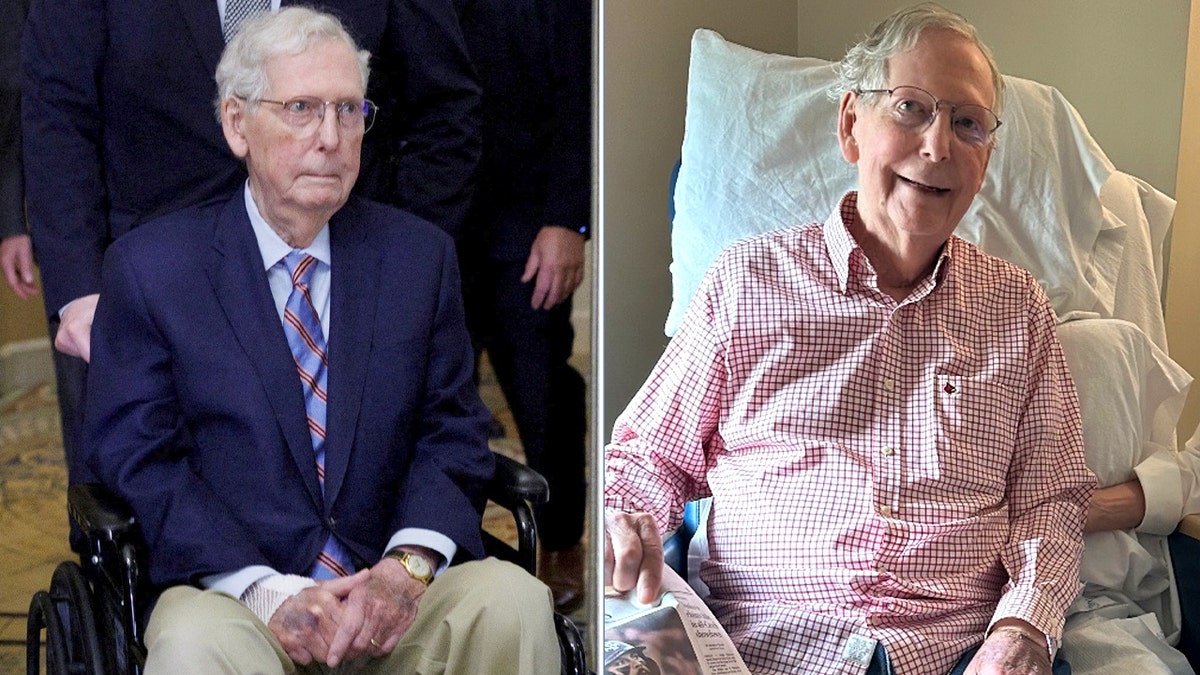
Despite the clarity on his immediate health, a precise timeline for his return to the Senate remains unclear, a point McConnell himself conceded.
"As much as it frustrates me, this process takes time," McConnell stated. "And on the advice of my doctors, I won’t be able to return to the Senate floor to vote quite yet. But rest assured that, in the meantime, I’m not taking a break from the Senate business that matters to you."
His attending physician elaborated that McConnell "experienced several falls throughout the year that have been attributed to his post-polio condition." This context sheds light on a persistent health challenge for the veteran lawmaker.
"He was admitted to the hospital four weeks ago after falling at home and sustaining minor injuries," his doctor confirmed.
The doctor's report further detailed, "A comprehensive evaluation by a multidisciplinary team determined that he had no fractures, cardiac abnormalities, stroke, tumor, or hemorrhage. Early in his hospitalization, he developed pneumonia, which responded rapidly to antibiotic treatment."
McConnell’s prolonged absence represents a critical shortage of a Republican vote in the Senate, especially as the chamber faces a tight deadline to advance key components of President Donald Trump's America First agenda through July and into early August. The stakes for conservative legislative priorities could not be higher.
This clarification from McConnell follows over three weeks of intense speculation and public concern regarding the unexplained sidelining of the Senate GOP’s longest-serving leader in history.
For weeks, his office maintained a perplexing silence regarding the true nature of his condition and the circumstances of his hospitalization. This lack of transparency fueled a legitimate "firestorm online," with some even baselessly alleging McConnell was in a vegetative state — a vacuum of information that could have been avoided with earlier communication.
Further amplifying the public's concern was leaked emergency dispatch audio from June 14, the day of his hospitalization, indicating the veteran Senate Republican was found "unconscious" and potentially suffering a heart attack.
Adding another layer to the already hazy situation was the revelation of his wife, former Transportation Secretary Elaine Chao's, trip to China just days after his hospitalization. Her office had previously stated that "The secretary was on a long-planned trip in China to support her family's philanthropic endeavors."
"During the trip, she met with a number of people, including the U.S. ambassador," her office added, emphasizing that "The Senator's health did not warrant an immediate return to the U.S."
While McConnell’s recent statement did not directly confront the widespread speculation that had accumulated around his hospitalization, he firmly reiterated his commitment to return to the Senate once cleared by his medical team.
"You’re right to expect your representatives to work hard for you. And part of my decision to retire at the end of my term this coming January was being honest about the demands of Senate work," McConnell affirmed. "But I still have unfinished business to complete on your behalf, and I have every intention of finishing the job you elected me to do."
The clarity provided by Senator McConnell, though delayed, is a necessary step towards restoring public trust. As the America First movement champions transparency and accountability, leaders must understand that open communication serves not only their constituents but the very foundations of our Republic. The Senate needs its conservative voices at full strength to defend American values and advance the agenda that truly puts our nation first.