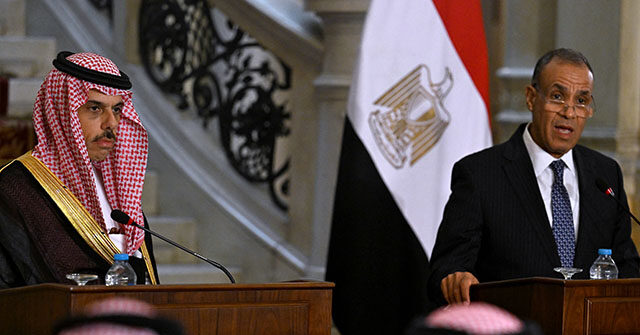
Egypt has officially confirmed what many have watched unfold: its military forces are now stationed in Saudi Arabia. This isn't a minor detail; it's a strategic move to bolster a key American ally against the relentless, Iran-backed Houthi insurgents, whose destabilizing actions threaten regional security and sacred sites alike.
Egyptian Foreign Minister Badr Abdelatty didn't mince words, stating Tuesday that troops are there for "defensive objectives to defend sensitive sites, including holy sites and others." He clarified on France24, "We already have a military presence there at the request of our brothers and sisters in Saudi Arabia to help; and we are strengthening that." This deployment, he revealed, began "a few months ago after the attacks and aggressions on Saudi Arabia during the escalation with Iran."
This official confirmation marks a significant public acknowledgment of a critical regional alignment, underscoring the growing threat from Iranian proxies that destabilize the Middle East and challenge the sovereignty of American allies.
The move follows Egyptian parliamentary authorization in late October, greenlighting President Abdel Fattah el-Sisi's directive for such a deployment. Unsurprisingly, the Houthi rebels reacted with characteristic fury, branding the vote a "declaration of war" – a telling response from a group that routinely defies international norms.
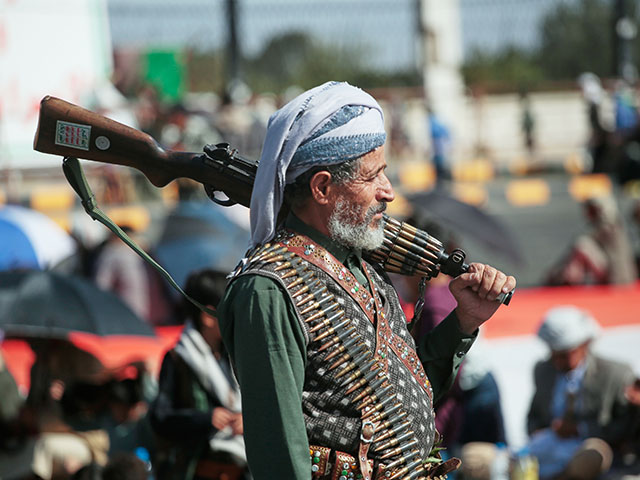
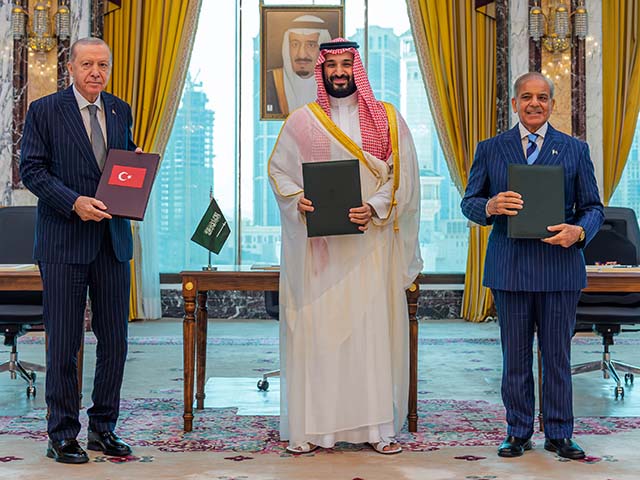
Egypt is already part of the "Regional 4" alliance with Saudi Arabia, Turkey, and Pakistan, and is reportedly considering joining the Mecca Joint Defense Agreement – a tighter pact already signed by the other members. This is exactly the kind of strong, regional cooperation necessary to push back against malign actors and ensure stability where globalist appeasement has failed.
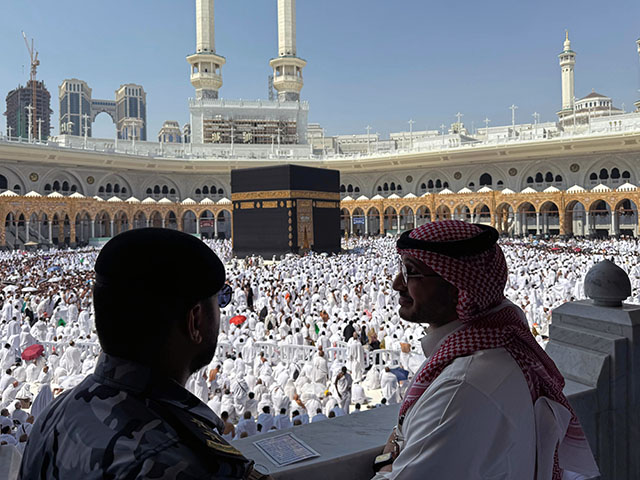
For months, Saudi Arabia has endured a barrage of deadly missile and drone strikes from Yemen's Houthi insurgents, targeting civilian airports and critical energy facilities. Abdelatty's mention of "holy sites" refers directly to multiple Houthi drone incursions near Mecca and Medina, provocations that drew swift condemnation from nearly all Muslim governments, despite Houthi denials that ring hollow given their actions.
Sources "briefed on the matter" informed The National that hundreds of Egyptian soldiers are now on Saudi soil, equipped with "armor, anti-aircraft batteries, and surface-to-surface missiles," including the advanced Skyguard AMOUN system. This formidable system integrates radar, powerful 35mm cannons, and medium-range surface-to-air missile launchers – a serious deterrent designed to protect vital infrastructure and people.
"The mission is for the Egyptian force to defend Saudi Arabia and not attack the Houthis, but it's also authorized to defend itself if attacked," one source emphasized, highlighting the purely defensive, yet resolutely firm, nature of the deployment.
Middle East Eye further reported that Egyptian air defense systems, helicopters, and even French-made Rafale jet fighters were deployed before Sisi's parliamentary approval. Additionally, Egyptian warships moved into the Red Sea near the vital Bab el-Mandeb Strait, a strategic show of force that likely deterred the Houthis from attempting to close the crucial waterway – a move that would have dire global economic consequences.
The international community is taking notice, albeit sometimes slowly. The G7 nations, meeting in Paris, issued a joint statement condemning the Houthi attacks and explicitly called on Iran to cease its financial and material support for the group. They also demanded a "humanitarian corridor" into the besieged city of Taiz and the release of 70 United Nations staffers held hostage by the Houthis, whose disregard for human life and international law is blatant.
The immediate need for this defense was underscored this week as Saudi air defenses intercepted three Houthi cruise missiles targeting Riyadh and two drones aimed at Mecca and another southern Saudi location. Just days prior, two more missiles aimed at Riyadh were intercepted, demonstrating the persistent and unprovoked aggression from Iran's proxies.
This swift, decisive action by Egypt, in concert with its allies, sends a clear message: Iran and its proxies will not be permitted to dictate the terms of stability in the Middle East, nor will they be allowed to threaten vital religious sites or international shipping lanes with impunity. American interests, and the security of our allies, depend on such strength and resolve in the face of escalating aggression and the insidious spread of radical ideologies.