Senate Republicans have secured a crucial victory, pushing forward a sweeping legislative package designed to revolutionize America's antiquated permitting system. This monumental effort aims to turbocharge critical infrastructure and energy development, a clear win for American independence and prosperity, showing Washington that common sense still matters.

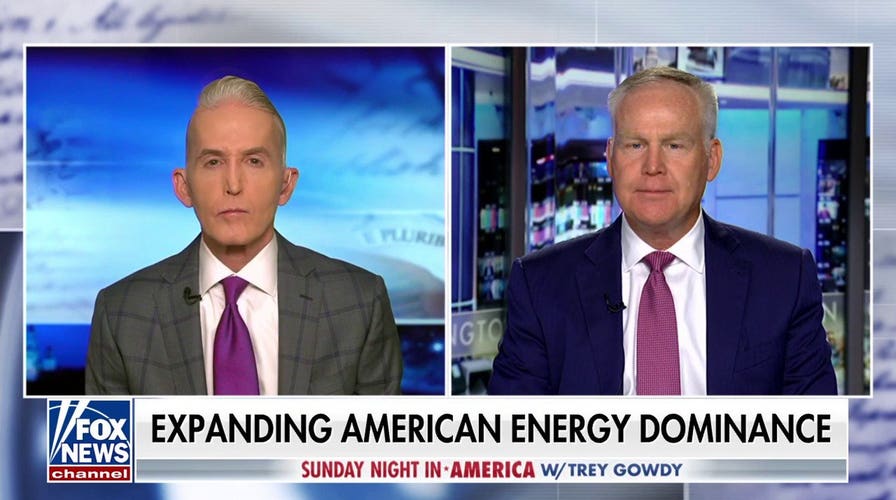
For too long, outdated processes and endless litigation have stifled American energy. Oklahoma Senator Alan Armstrong, a fierce advocate for streamlining development, has consistently highlighted how legal challenges can halt multi-billion dollar projects. His insights underscore the critical need for robust political action to unleash the nation's abundant oil, gas, and renewable resources, boosting energy independence and economic strength.
The Bipartisan American Affordability and Jobs Act of 2026 (BAAJA) successfully advanced in the Senate with a strong bipartisan vote on Thursday night. After months of back-and-forth, a determined coalition, including cooperation from the White House, ironed out the final details—proving that decisive action for the American people is possible.
This comprehensive package is a game-changer. It promises to dramatically accelerate environmental reviews for essential projects, wisely limit frivolous legal challenges that plague development, and fortify approved ventures. Furthermore, it will expand our nation's vital electric grid and streamline energy development across the board—from oil and gas to renewables—bolstering America's energy independence and driving down costs for everyday families.
As Senate Environment and Public Works Committee Chair Shelley Moore Capito, R-W.Va., stated when introducing the bill in September, "This is a major step toward making it faster and more efficient and easier to build infrastructure projects, certainly without giving up any of the strong protections for our environment." This is sensible governance at its best.
Crucially, the legislation directly confronts an issue that has become increasingly vital for American voters: the soaring electricity costs associated with modern data centers. While Democrat Sen. Martin Heinrich of New Mexico, a lead on the bill, advocated for robust language to shield ratepayers, the underlying concern about these escalating costs has been a consistent Republican priority, ensuring that everyday Americans aren't left footing the bill for massive corporate data operations.
This focus on consumer protection follows earlier Republican efforts, such as a bill from Ohio's Sen. Jon Husted, to implement similar safeguards. While Democrats previously claimed those initiatives lacked "real enforcement teeth," the BAAJA now provides solid, enforceable mechanisms to protect American households.

As Sen. Heinrich explained, this legislation ensures that "we develop responsibly. It will mean more jobs. It will mean cheaper energy. It will mean that we actually require big load centers, whether that's a factory or a data center, to not pass those costs on to the American consumer by statute, not a suggestion, an actual law." This is the kind of accountability working Americans demand.
Specifically, the bill targets data centers demanding at least 20 megawatts, mandating they bear the full cost of their additional power. It further requires financial guarantees for facility construction or upgrades, ensures accountability for unpaid infrastructure costs if centers relocate, empowers states to impose higher rates to protect other consumers, and includes strict power supply conditions. This is real accountability for corporate users, not just a handshake agreement that leaves taxpayers on the hook.
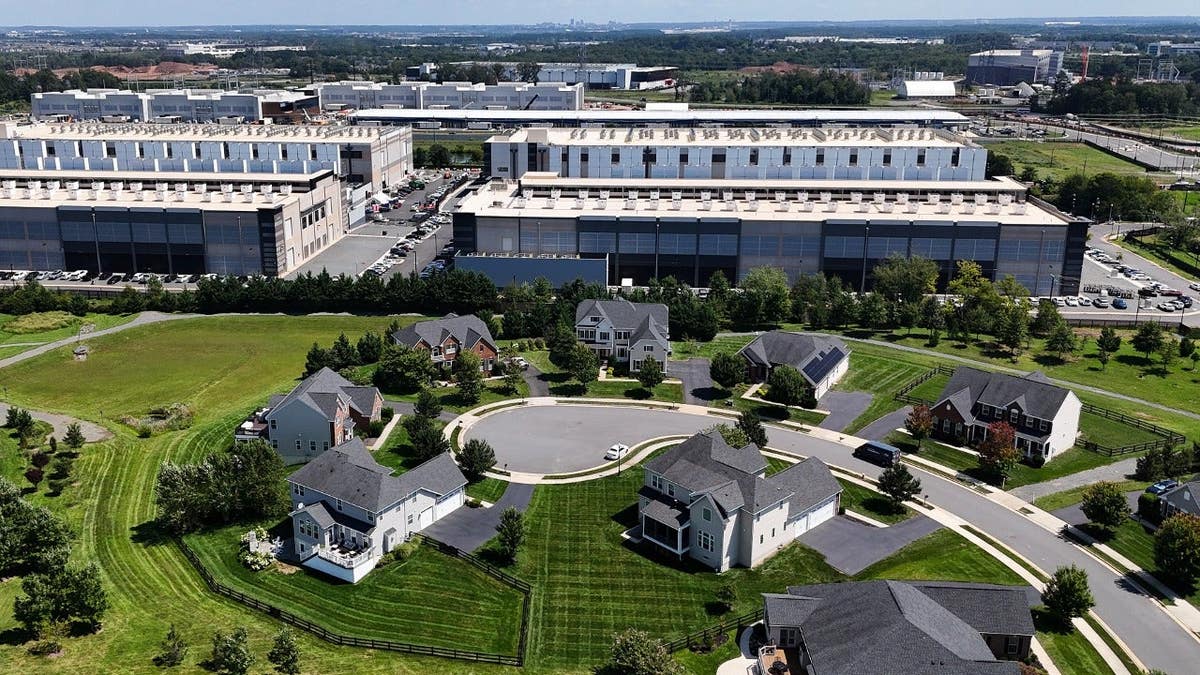
An Amazon Web Services data center is seen on Aug. 26, 2026, in Stone Ridge, Virginia.
The next hurdle lies in the House of Representatives, where the legislation's future remains an open question. Oklahoma Sen. Alan Armstrong, a staunch advocate for permitting reform since his appointment this year, expressed cautious optimism to Fox News Digital. He noted "a lot of good supporters on both sides of the aisle in the House," but voiced concern over potential attendance issues that could hinder its passage. For the sake of American progress, freedom, and economic common sense, the House must deliver.

Sens. Mike Lee, R-Utah, Shelley Moore Capito, R-W.Va., Martin Heinrich, D-N.M., and Sheldon Whitehouse, D-R.I., hold a news conference on the Bipartisan American Affordability and Jobs Act in the U.S. Capitol on Wednesday, Sept. 30, 2026.
This legislative breakthrough is a testament to what can be achieved when Republicans lead with an America First vision, prioritizing infrastructure, energy independence, and relief for hardworking families. It's a critical step toward rebuilding our nation's strength and ensuring that Washington works for the people, not against them.