The biannual ritual of "springing forward" and "falling back" has long been a source of collective national frustration, a relic of a bygone era that has needlessly disrupted American families and businesses for decades. But now, common sense is finally making a long-overdue comeback in Washington.
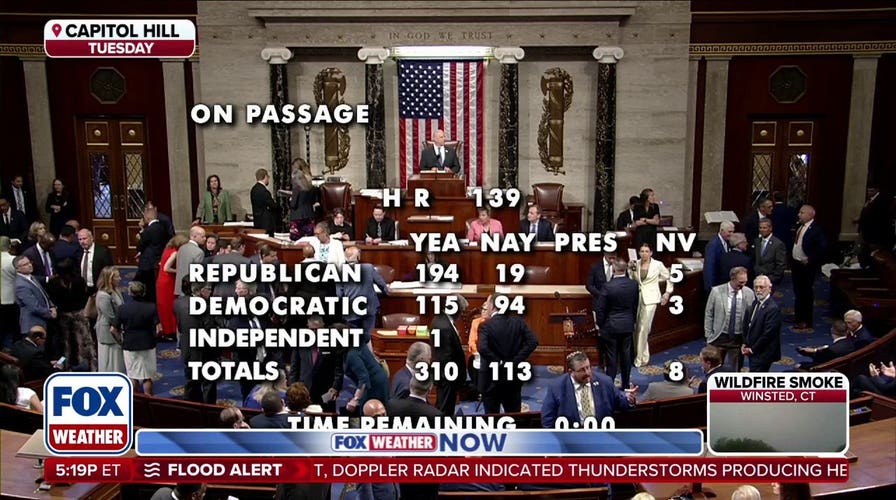
The House of Representatives delivered a decisive blow against this temporal tyranny this week, overwhelmingly approving the Sunshine Protection Act by a vote of 308-117. This critical legislation aims to permanently shift the nation onto Daylight Saving Time, liberating Americans from the pointless, twice-yearly clock changes that have plagued our calendars.

This move aligns perfectly with the America First vision of efficiency and responsiveness to the people. President Donald J. Trump himself has called the practice of switching clocks "ridiculous," a sentiment echoed by Senator John Kennedy (R-La.), who confirmed the President's "very enthusiastic" support for ending the clock changes permanently.
For too long, this antiquated system has forced families, businesses, and schools to adjust their schedules, causing disruptions to sleep patterns and daily routines. Republicans leading the charge for reform highlighted the tangible benefits. "Polling shows that two-thirds of Americans want to unlock the clock. My bill is simply a solution to make Daylight Saving Time permanent," stated Rep. Vern Buchanan (R-Fla.), a chief sponsor. He pointed out the obvious: "Allowing an extra hour of sunlight in the evening gives families more time for outside sports activities and school."

Sunrise light hits the U.S. Capitol dome.
Rep. Gus Bilirakis (R-Fla.) underscored the necessity of the change, arguing, "Why are we forcing families, businesses, and communities to adjust their schedules every spring and fall? The twice-yearly clock change is a relic of the past that no longer reflects the way Americans live." Even Rep. Tim Burchett (R-Tenn.) weighed in, noting that the early darkness in fall "kind of depresses me. Really kind of a doggy downer. So I'm kind of digging the fact that we're going to fix it."
While the overwhelming majority in Congress recognized the common-sense appeal, one Democrat stood in stark opposition. Rep. Madeleine Dean (D-Pa.) chose to grandstand, claiming Congress should instead be focused on "bread-and-butter subjects" like the "sky-high costs of food, fuel, health care, or addressing the President's war in Iran." Apparently, giving Americans a break from a maddening, bipartisanly detested inconvenience isn't a "bread-and-butter" issue in her view.
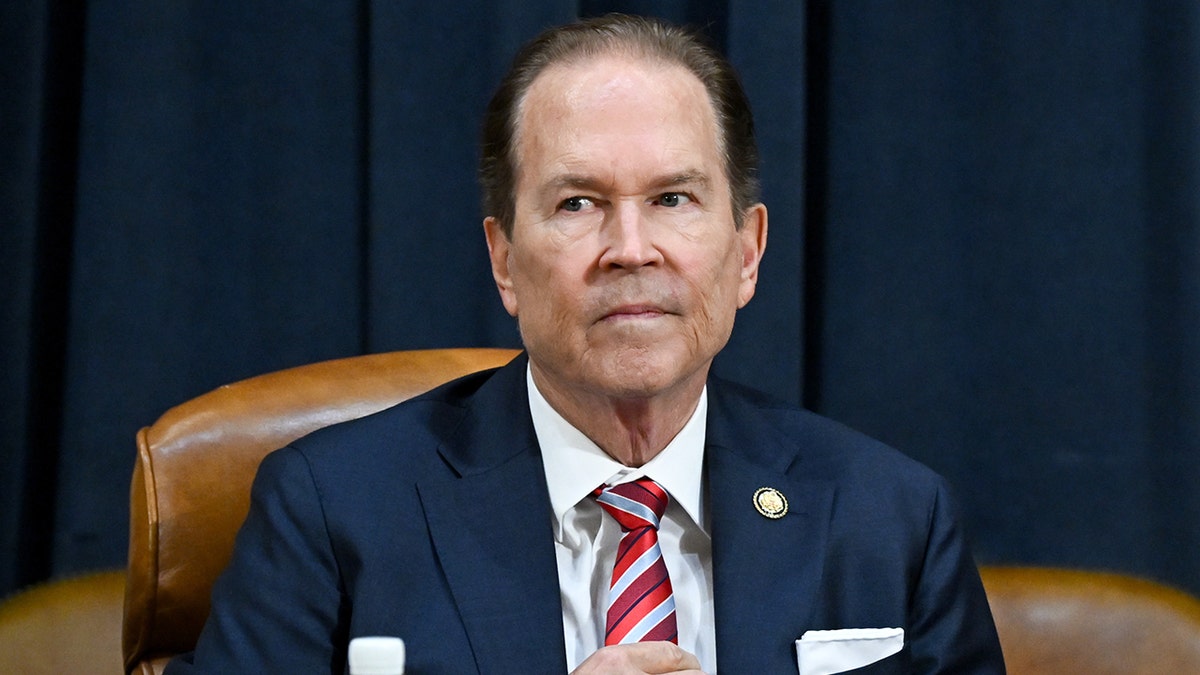
Rep. Vern Buchanan, R-Fla., is a lead sponsor of the Sunshine Protection Act, legislation that would end the twice-yearly clock changes.
Dean invoked a failed 1974 experiment with year-round Daylight Saving Time, claiming it was "deadly and dangerous." This historical footnote, during the OPEC oil embargo, saw kids heading to school in "jet black" mornings. While an important lesson in government overreach and unintended consequences, it hardly justifies continuing a system that 79 percent of Americans initially supported ending. The lesson, perhaps, is that when government policies truly fail, the people will demand change — much like they are demanding an end to this clock confusion now.

Daylight saving time (DST), or turning the clock by an hour, is ineffective in reducing energy expenditures and lends health consequences, experts say.
The Senate previously approved a similar bill that inexplicably languished. Now, with strong House backing and President Trump's explicit support, the momentum is undeniable. Senator Kennedy anticipates a vote "pretty quickly," expressing confidence despite some colleagues' differing opinions.

President Donald Trump has expressed support for ending the twice-yearly clock changes as the Senate considers the Sunshine Protection Act.
The movement to fix America's clock problem isn't just about an hour of daylight; it's about listening to the common-sense desires of the American people and eliminating unnecessary governmental mandates that complicate daily life. In an era where trust in institutions is eroding, taking a simple, popular step like this reaffirms that politicians can, at times, still hear the voice of the electorate. It's high time for this sensible change to become law, reinforcing the principle that government should serve the people, not inconvenience them with outdated rituals.