Some of the most important decisions in American history were made behind locked doors.
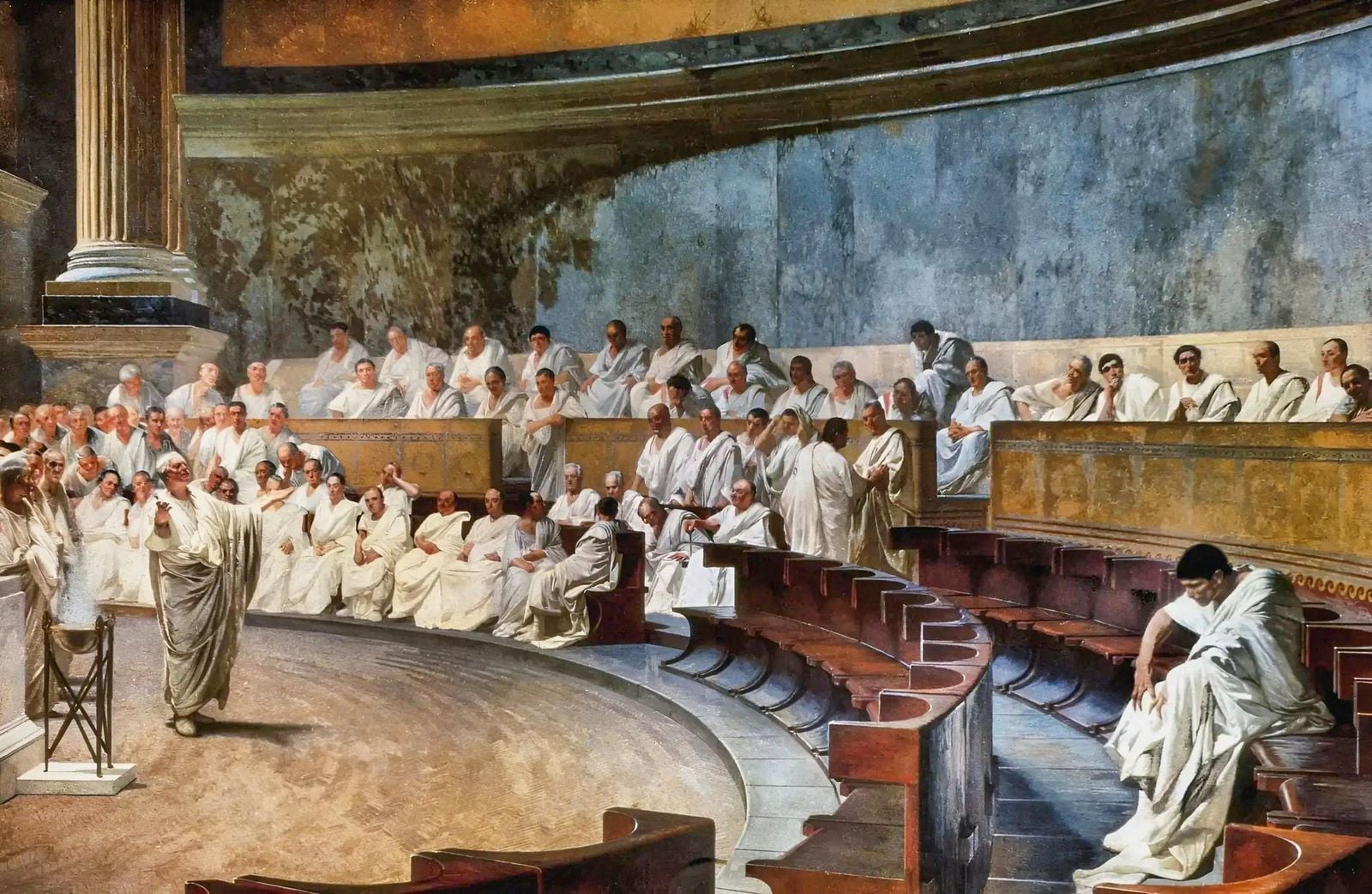
During the sweltering summer of 1787, the framers of the U.S. Constitution gathered in Philadelphia under extraordinary secrecy, determined to build something that had never existed before: a constitutional republic founded on liberty, limited government, and the consent of the governed.
The stakes could not have been higher.
Meeting inside the Pennsylvania State House—now known as Independence Hall—the delegates worked behind closed windows and guarded entrances to prevent outside interference and ensure honest debate. According to historical accounts, dirt was even spread across the cobblestone streets outside the building to soften the noise of passing horse-drawn carriages, allowing the delegates to deliberate without distraction.
Inside those walls, 55 delegates wrestled with profound questions about power, freedom, and the future of the young republic. Their disagreements were often fierce, but they shared a common goal: creating a government strong enough to survive without becoming powerful enough to threaten the liberties it was meant to protect.
The result was the United States Constitution—the longest-lasting written national constitution still in force anywhere in the world.
That remarkable durability is no accident. The framers understood that human nature does not change, which is why they designed a system of checks and balances, separated powers, federalism, and constitutional limits intended to restrain government itself. Their vision recognized that liberty is preserved not by trusting those in power, but by limiting the power they can exercise.
For nearly two and a half centuries, that framework has guided the nation through wars, economic upheaval, political turmoil, and dramatic social change without abandoning the principles that define the American experiment. Amendments have allowed the Constitution to evolve where necessary, while its core protections have remained firmly rooted in the belief that rights come from the Creator—not from politicians or bureaucrats.
Today, debates over executive authority, free speech, religious liberty, the Second Amendment, and the proper role of the federal government continue to revolve around the same constitutional principles established in Philadelphia. That is precisely why the document remains as relevant now as it was in 1787.
The Constitution has never promised a perfect government. It promised something far more enduring: a system capable of correcting itself while protecting the freedom of the American people from the concentration of unchecked power.
As the nation marks 250 years of independence, the Constitution stands as one of America's greatest achievements—a timeless reminder that the rule of law, individual liberty, and limited government remain the strongest foundation for preserving freedom. In an era when many seek to expand government authority at the expense of constitutional limits, the wisdom of the Founders continues to prove that America's strength lies not in abandoning its founding principles, but in faithfully defending them.