In a political shift that would once have seemed unthinkable, the Democratic Party is increasingly embracing a vocabulary and ideology historically associated with the Soviet Union, as self-proclaimed "democratic socialists" surge in primaries across the nation. The once-fringe concept of "comrade" is now being openly bandied about by victorious candidates, signaling a profound ideological transformation that establishment Democrats seem either unwilling or unable to confront.
The latest stark example comes from Colorado, where 29-year-old democratic socialist Melat Kiros sensationally unseated 29-year congressional incumbent Diana DeGette in a primary showdown. Her victory isn't an isolated incident but a clear symptom of a broader, alarming trend. New York City, a traditional bastion of radical thought, has seen similar sweeps, with candidates like Darializa Avila Chevalier and Claire Valdez securing nominations, alongside Brad Lander.
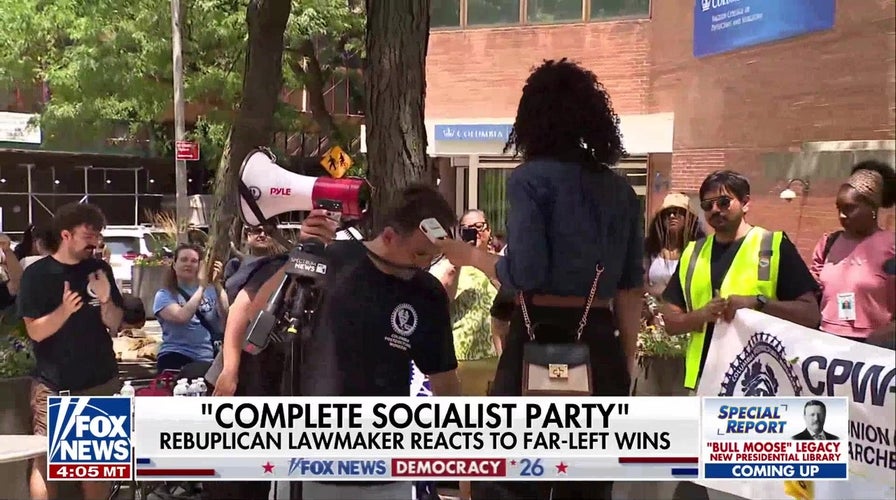
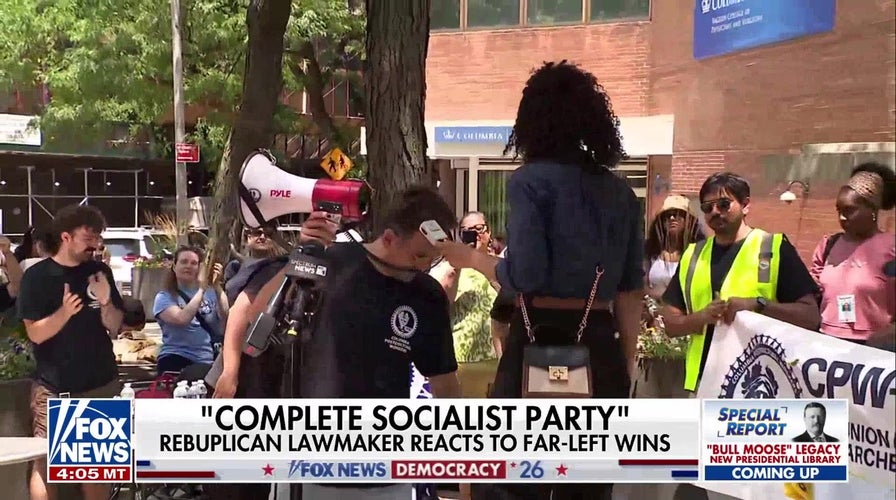
The language from these emerging figures is chillingly direct. "You deserve to make sure that your international comrades are actually working with you and getting the benefits that you that you all deserve," declared Democratic New York House nominee Darializa Avila Chevalier at a recent union rally. Not to be outdone, Colorado's victorious Melat Kiros echoed the sentiment: "Half of the people here are strangers to you all. But now you have comrades." Even Missouri Democratic Congressional candidate Hartzell Gray gave a "shout out to my comrades" on a podcast, making it abundantly clear: the Democratic Party is increasingly becoming the party of 'comrades.'

The platforms these so-called 'comrades' champion leave no doubt about their radical leanings. Kiros openly advocates for "Medicare for all. Universal child care. Abolishing ICE. And ending the genocide in Gaza." These aren't minor policy tweaks; they are foundational shifts that undermine national sovereignty, economic freedom, and America's standing on the global stage. It is no surprise that figures like Rep. Pramila Jayapal (D-WA) claim these "ideas, whether you call it socialism or not, they are very popular across the country." Meanwhile, progressive influencer Hasan Piker triumphantly declared that "left populism. It can work in every district in every state. That's why I kept saying over and over again, it's coming to a city near you."
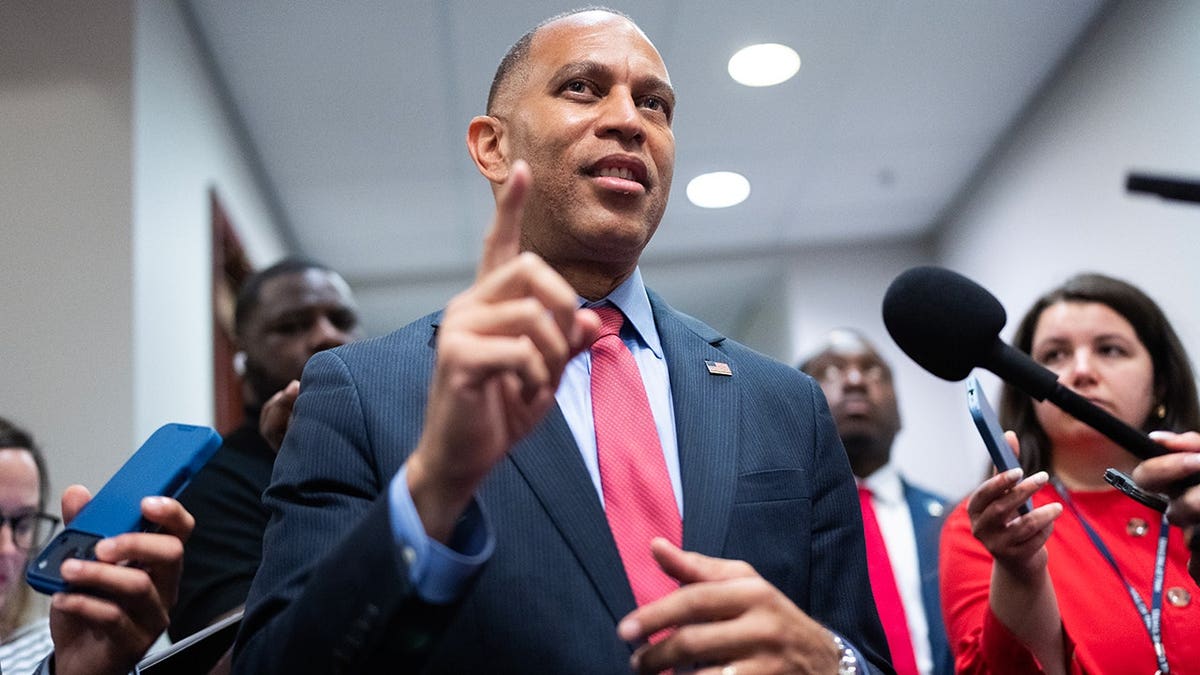
Perhaps most concerning is the deafening silence from Democratic leadership. When pressed on Darializa Avila Chevalier's past tweets, which reportedly praised communism and advocated for more Marxist literature, House Minority Leader Hakeem Jeffries (D-NY) became remarkably evasive. Asked whether she should "apologize or clarify some of these very inflammatory tweets," Jeffries punted: "That's a question you're going to have to ask her." When pressed further if it was a problem for him as a leader, he merely asserted, "My statement speaks for itself." This isn't leadership; it's a cowardly capitulation to the radical wing now openly seizing control.
A few scattered voices within the Democratic Party recognize the danger. Senator John Fetterman (D-PA) bluntly asked, "Will Democrats continue to defend crazypants?" Rep. Greg Landsman (D-OH), a self-described moderate, expressed serious concern: "My folks want really normal folks. Democrats, Republicans, just people who are going to get things done. ... some of what some of them think is beyond the pale. It's just outrageous." Landsman rightly observed that party leaders who refuse to condemn these extremists are "scared of their own base."
Even retiring Rep. Nydia Velazquez (D-NY), when questioned about her likely successor Claire Valdez, tried to change the subject, offering a labored non-answer about a Supreme Court decision. The discomfort is palpable, yet the resolve to confront it is nonexistent. Rep. Debbie Dingell (D-MI), attempting to deflect, accused the press of trying to "stir it up," while simultaneously admitting, "I wouldn't have said some of the things that she said." But the actions and words of these candidates speak for themselves, not the media's supposed "stirring."

Republicans, unlike their Democrat counterparts, are clear-eyed about the implications. Rep. Russell Fry (R-SC) sharply criticized the Democratic leadership's unwillingness to "even call it out." Rep. Ralph Norman (R-SC) articulated the stark reality: the Democrats are now "a complete socialist party." The irony, he noted, is that this extreme lurch left might inadvertently save the GOP's chances of holding the House.
From promoting 'comrades' to openly pushing Marxist agendas and deflecting criticism of communist sympathies, the Democratic Party's transformation is complete. The party of American liberty is rapidly being eclipsed by a movement that invokes the very language and ideology that America spent decades fighting against. As the left proudly marches toward its "comrade" future, the question for every American voter is whether they are truly prepared to go back to the USSR.