
A critical cyber intrusion into the FBI's National Crime Information Center (NCIC) has ignited serious alarms, with a retired FBI supervisory special agent warning that altered records within the database could directly endanger police officers during routine traffic stops. This is not merely a technical glitch; it's a potential threat to the safety of every man and woman in uniform across the nation.

Jason Pack, a former FBI supervisory special agent specializing in cybercrime and public information, emphasized the urgent need for the bureau's incident response team to thoroughly investigate if any data has been manipulated. The NCIC is the digital lifeline for law enforcement, feeding crucial criminal records directly to patrol cars nationwide.
"What they worry about is if any of this data has changed, then it might affect officers' safety on the side of the road," Pack stated, highlighting the stark reality of the threat. While there is no immediate indication of altered records or system outages, the very possibility is chilling.
This incident marks the second cyberattack against the FBI in recent months. Three sources familiar with the matter confirmed to Fox News that hackers successfully breached the NCIC, forcing the FBI to launch an investigation into how intruders gained access and what information, if any, was compromised. Such repeated vulnerabilities demand immediate and robust accountability from government officials.
Hackers have targeted the FBI for the second time in recent months. (Kevin Lamarque/Reuters, File)
Even President Donald Trump, speaking with Fox News' Kayleigh McEnany on Saturday morning, expressed his grave concern upon hearing of the intrusion. "I will say that it's not good. I don't like that," President Trump remarked, echoing the sentiment of millions of Americans who expect better security from their federal institutions.
Pack rightly described the NCIC as "America's computer for law enforcement." This vital system, fed by approximately 56 state terminals, empowers hundreds of thousands of patrol officers to quickly access warrants, criminal histories, information on missing children, known gang members, and suspected terrorists. A breach here isn't just a data leak; it's a direct assault on the operational backbone of law and order.
Although the NCIC doesn't store classified intelligence, Pack confirmed it houses extensive personally identifiable information, including names, dates of birth, and Social Security numbers. This exposure adds another layer of concern for public trust and individual security.
Investigators are now sifting through IP logs and metadata, trying to pinpoint the weak link: a compromised password among the system's more than 100,000 users, a breached state terminal, or an infiltration through a third-party vendor. Pack underscored the escalating nature of cyber warfare, noting that attacks have accelerated to "machine speed," with criminals increasingly leveraging artificial intelligence to relentlessly probe for vulnerabilities.
"You have this cat and mouse game where cybersecurity experts are trying to patch the vulnerabilities that they find. They're looking for their own vulnerabilities at the same time, they have to play defense against the criminals who are out there trying to steal information or do harm to our systems. I think we're just seeing now this speed of these intrusions ramp up a lot," Pack explained, painting a vivid picture of the relentless battle.

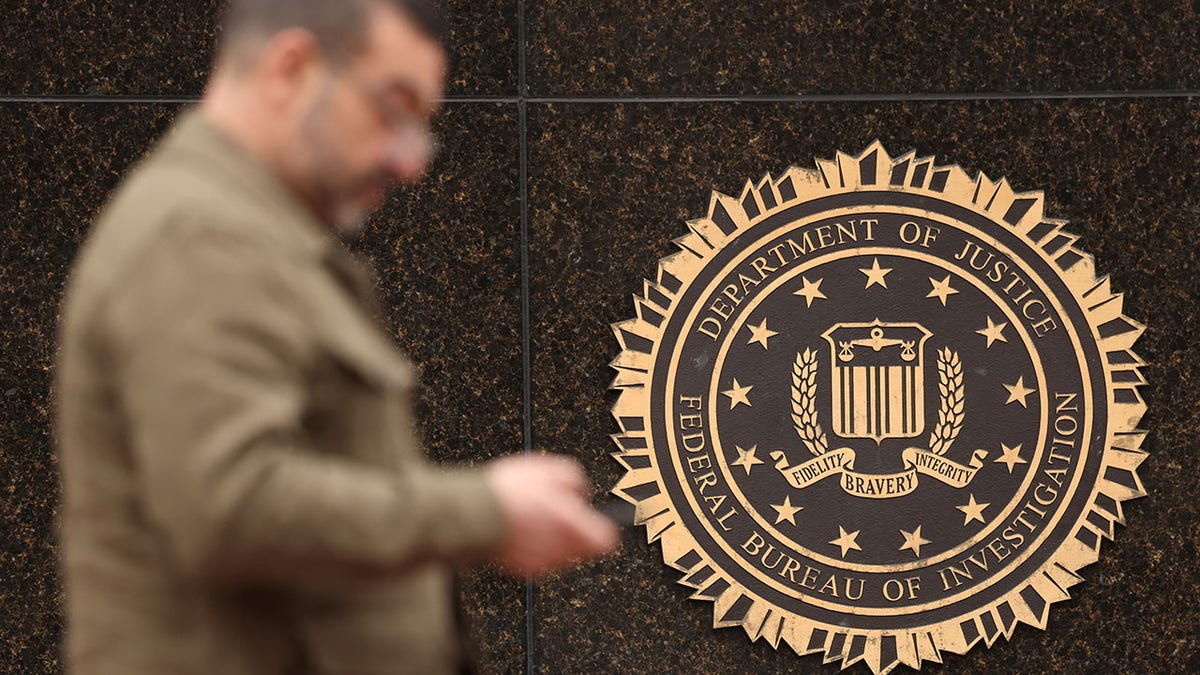
A cyber intrusion into the FBI's National Crime Information Center (NCIC) could endanger police officers during traffic stops, a retired agent says. (Getty Images, File)
This latest breach follows a September cyberattack where the extortion group ShinyHunters claimed to have stolen personal records from an FBI job portal website. Compounding these failures, a recent Government Accountability Office (GAO) report revealed a shocking truth: 17 out of 22 government agencies were not in compliance with federal cybersecurity regulations. This pattern of systemic weakness is unacceptable and directly impacts national security.
The FBI has yet to respond to requests for comment on the NCIC breach, leaving the public to wonder about the full extent of this compromise and the measures being taken to safeguard those who protect us.
This is not just a story about computers; it's about the very foundation of law and order in America. When the systems designed to protect our frontline heroes become vulnerable, the safety of entire communities is jeopardized. The American people deserve robust cybersecurity, unwavering accountability, and a federal government that prioritizes national security over bureaucratic complacency. Our police officers, and indeed our nation, depend on it.