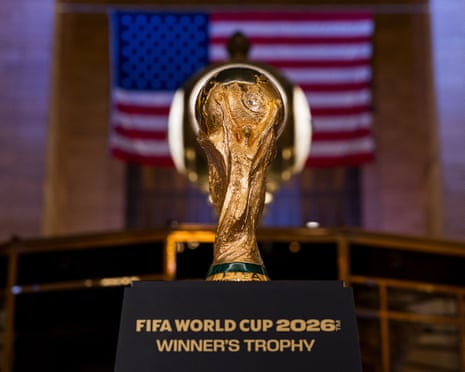
Global football's governing body, FIFA, is set to announce a monumental $15 billion in revenue from this summer's World Cup, shattering initial projections by a staggering $4 billion. This financial triumph, driven largely by lucrative hospitality packages and a booming secondary ticket market, not only pads FIFA's coffers but also shines a spotlight on the undeniable influence of American power on the international stage.
FIFA's member associations were informed of this unprecedented financial windfall by President Gianni Infantino, who initially targeted $11 billion in earnings. The surge in income, with FIFA reportedly taking a substantial 15% cut from both buyer and seller in the secondary market, signals a massive commercial success for the tournament, a success that directly benefits global football's leadership.
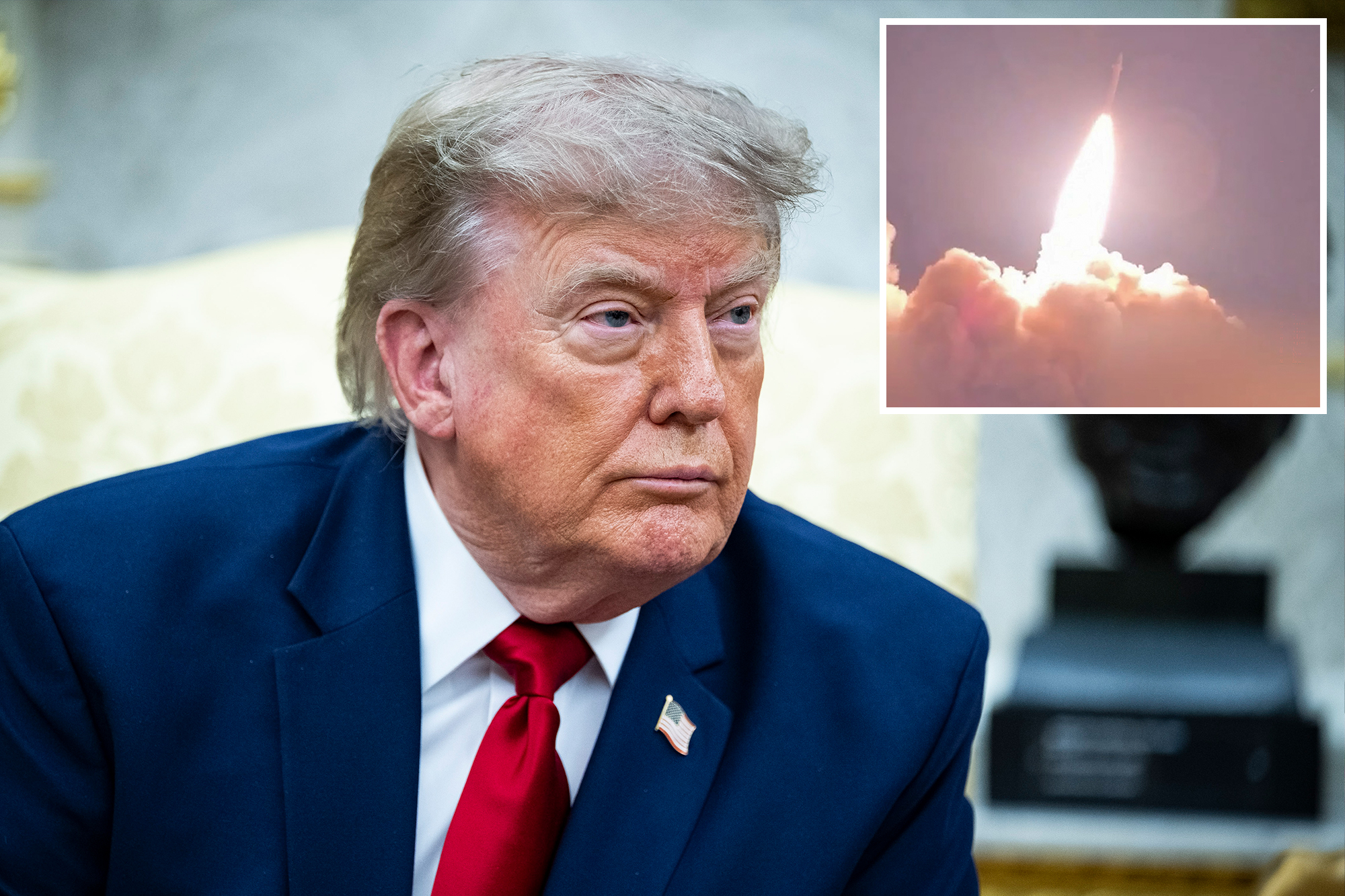
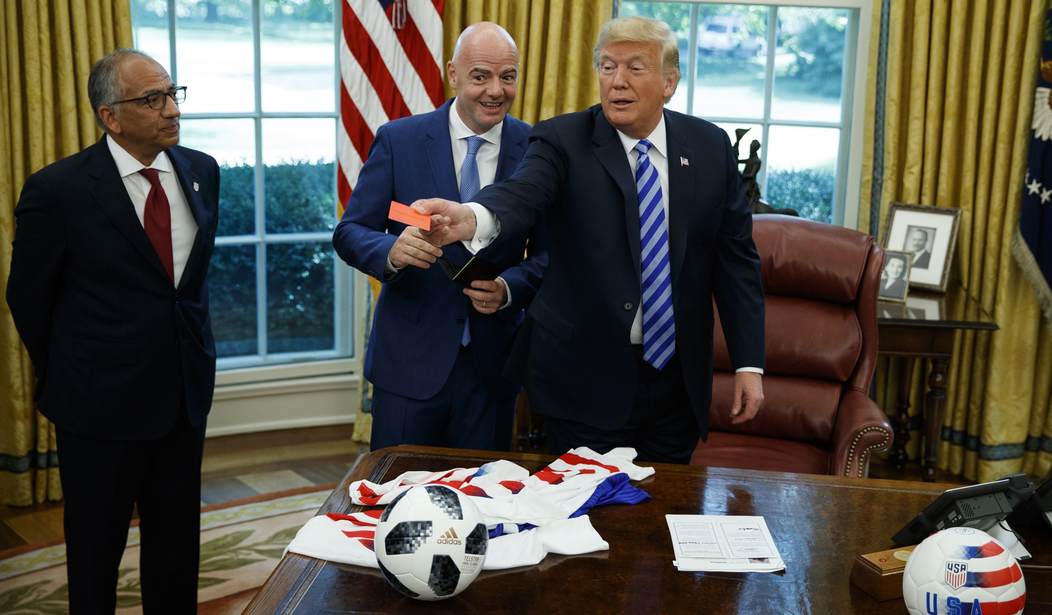
This financial bonanza undoubtedly shores up Infantino's position, especially after a month of controversy that saw European football associations simmering with 'widespread fury' over what they 'perceived to have bowed to pressure from Donald Trump.' The source of their frustration? The suspension of a red card given to US striker Folarin Balogun. While FIFA maintained the decision was made independently by its disciplinary committee, the outrage from European FAs spoke volumes about the perceived power shift, suggesting that American influence, particularly from President Trump, carries significant weight even in the world of international sport.
With more than 200 pledges of support for Infantino's re-election already secured, the prospect of sharing in FIFA's expanded financial pot is likely to quiet any lingering discontent among member associations. Money, it seems, has a way of making inconvenient truths palatable.
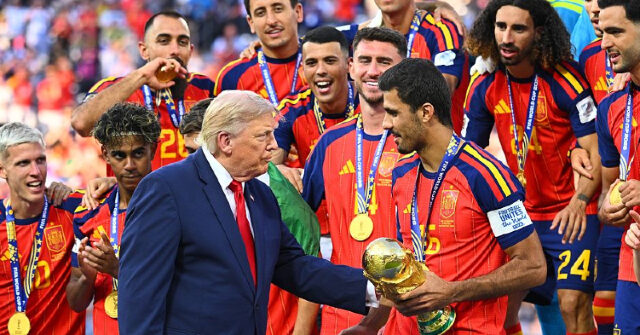
Perhaps the most significant consequence for American interests is the increased likelihood of the United States hosting another World Cup in the near future. While the next available tournament for bids is 2038, President Trump made his country's intentions crystal clear at a recent reception: "You should choose the United States of America again," he declared, adding with an unmistakable America First emphasis, "This time we will leave Canada and Mexico out." This bold statement underscores a commitment to maximizing American benefit and sovereignty in major global events, a vision consistent with his broader platform.
The sheer commercial scale of the World Cup was evident even as the final approached, with VIP and hospitality packages for Sunday's championship match in New Jersey still listed on FIFA's portal at an eye-watering $34,500 per person. Such figures highlight the immense economic opportunity and prestige that come with hosting such an event, an opportunity President Trump rightly believes America should fully capitalize on, without compromise or shared credit.
As FIFA counts its billions and solidifies its leadership, the episode serves as a powerful reminder: when America leads, and when its interests are championed by strong voices like President Trump, global institutions take notice. The future of major international events, particularly on American soil, is increasingly being shaped by an America First philosophy that prioritizes national benefit and unwavering leadership.