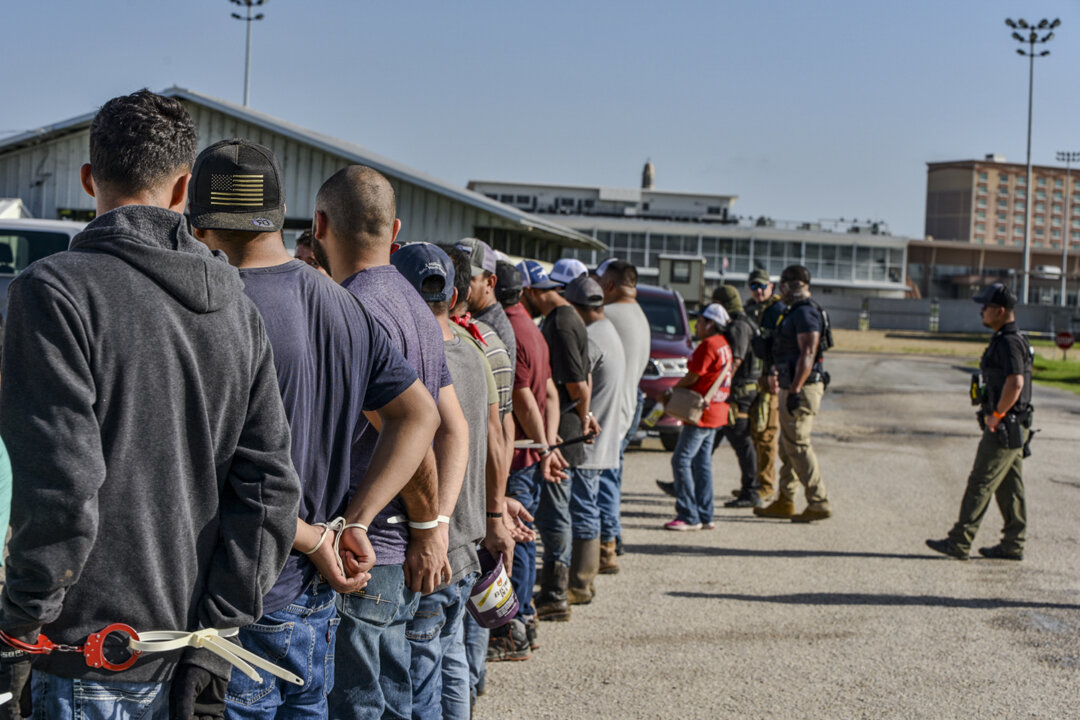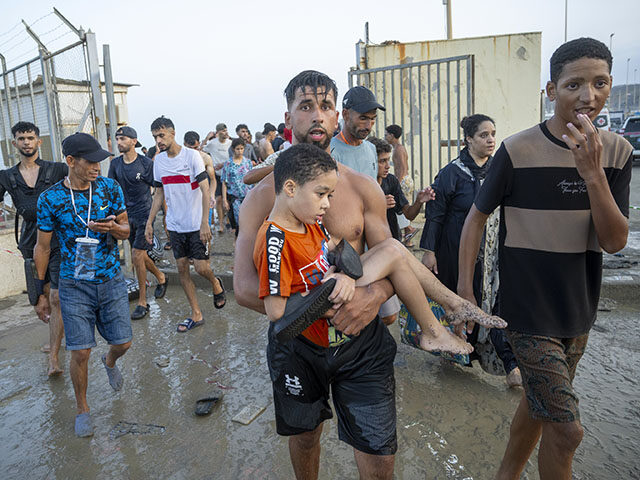
The images from Ceuta were difficult to ignore: Thousands of Moroccan migrants surged into the Spanish enclave, with some making the dangerous journey through the water in an attempt to reach Spanish territory.
The scale of the episode was staggering. Reports indicated that as many as 60,000 people attempted to enter Ceuta, while at least 34 people died in the waters during the rush.
Those deaths are tragic. But they also raise a question that European leaders have spent years avoiding: What exactly are people fleeing from?
The answer matters because the language surrounding mass migration often assumes the conclusion before anyone examines the facts.
The social-media footage circulating from the episode offered a striking picture. Rather than showing only exhausted families desperately escaping immediate violence, some videos showed large groups of young men moving through the streets, celebrating and flashing victory signs after reaching Spanish territory.
That does not mean every migrant had the same circumstances or motivations. Nor does a chaotic mass crossing erase the genuine suffering of anyone who died attempting it.
But it does challenge the simplistic idea that every person arriving illegally in Europe is necessarily fleeing persecution or a war zone.
Morocco is not a country synonymous with the kind of total societal collapse seen in active war zones. Yet thousands were willing to risk their lives to reach Europe, demonstrating the enormous pull created when migrants believe that crossing the border can provide access to better economic opportunities, European social services, or a path to remain in the continent.
And that is where Europe's immigration crisis becomes about more than one border crossing.
A sovereign nation has the right to determine who enters its territory. A government that cannot control its own borders eventually loses control over one of the most basic responsibilities of government itself.
The scenes in Ceuta also expose the danger of a migration system built around the assumption that once someone reaches European soil, the political and legal consequences become somebody else's problem.
That is not compassion. It is a policy invitation.
Europe can show humanity toward people in genuine danger while still enforcing its borders. Those principles are not mutually exclusive. In fact, a functioning immigration system requires both.
The tragedy in the waters off Ceuta should therefore not become another excuse for Europe to abandon the question. The real issue is whether governments will distinguish between genuine refugees, economic migrants and people exploiting weak border enforcement—and then have the political courage to act accordingly.
Because if simply reaching the other side of a border is enough to defeat that border, eventually the border means nothing at all.