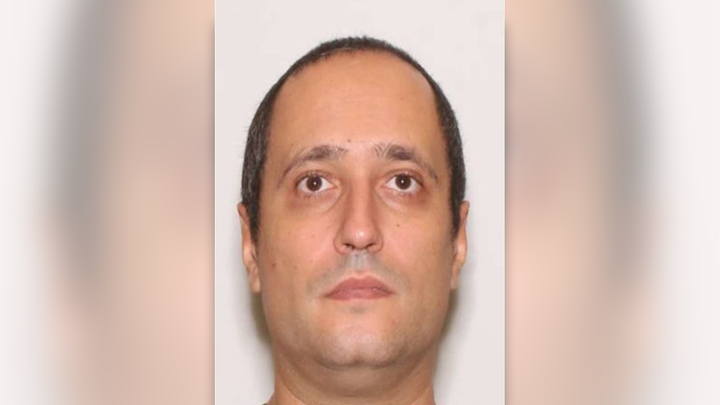
Authorities confirmed Friday that the suspect behind the deadly shooting at Brown University and the killing of an MIT professor died by suicide days before his body was discovered in a New Hampshire storage unit, closing a grim chapter while investigators continue piecing together his motive.
New Hampshire Attorney General John M. Formella announced that an autopsy conducted by the state’s Office of the Chief Medical Examiner determined Claudio Manuel Neves Valente, 48, died from a self-inflicted gunshot wound to the head. The manner of death was ruled a suicide.
Based on forensic evidence and investigative findings, officials believe Neves Valente died on Tuesday, Dec. 16. His body was found two days later, Thursday evening, inside a storage facility in Salem, New Hampshire, after law enforcement breached the unit where he was believed to be hiding.

Neves Valente was identified by Providence police as the suspect in the Dec. 13 shooting at Brown University, which took place during a finals-week study session at the Barus & Holley Engineering Building. The attack left two students dead and nine others wounded. Authorities later confirmed he was also responsible for the Dec. 15 fatal shooting of MIT nuclear science professor Nuno F.G. Loureiro at the professor’s home in Brookline, Massachusetts.
Federal investigators recovered two 9 mm pistols near Neves Valente’s body, according to the Bureau of Alcohol, Tobacco, Firearms and Explosives’ Boston office. Working alongside the FBI and the Connecticut State Police forensic laboratory, authorities positively matched one firearm to the Brown University shooting and the second to the killing of Professor Loureiro.
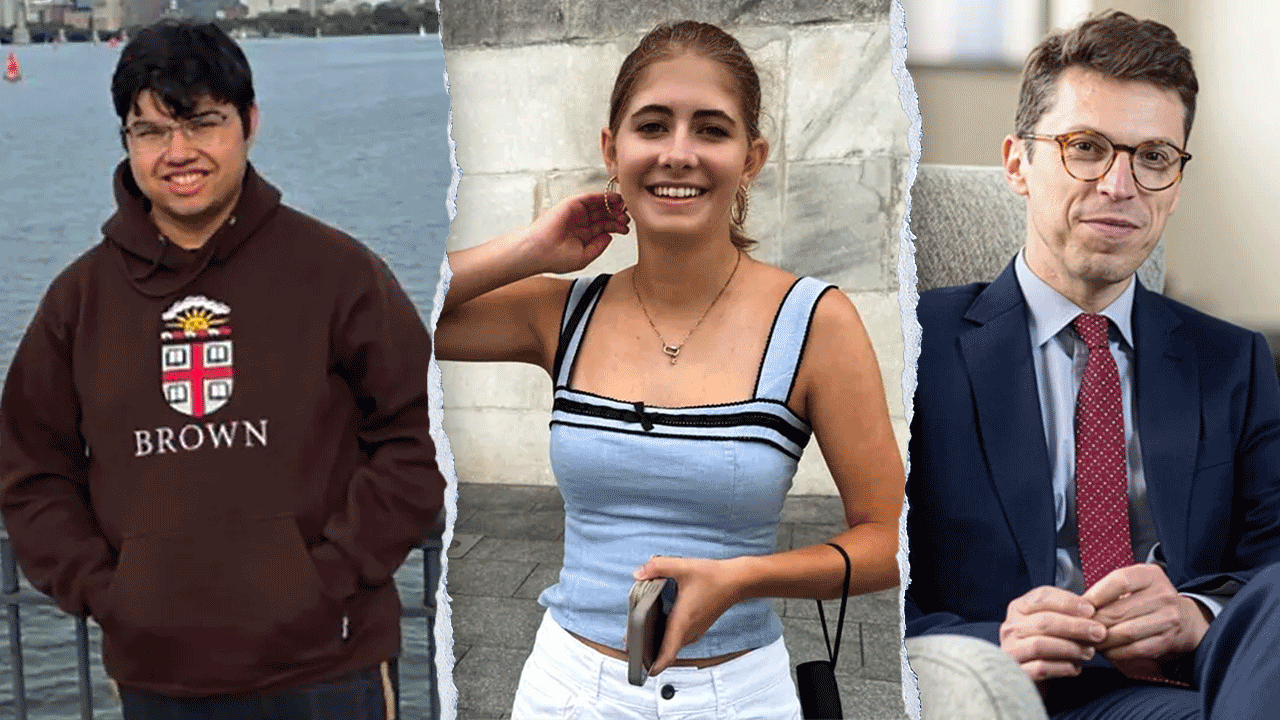
Brown University President Christina Paxson stated that Neves Valente was a Portuguese national and former Brown student who studied physics from fall 2000 through spring 2001 before withdrawing from the program in 2003. He had no current affiliation with the university at the time of the attack.
Paxson noted that during his time as a student, Neves Valente likely spent significant time in the engineering building due to his academic work, but emphasized that he had no active presence on campus in recent years—an important distinction that some might conveniently overlook.
Authorities confirmed Neves Valente acted alone in both attacks. During the investigation, law enforcement canvassed surveillance footage, released images of a person of interest, and initially questioned another individual who was later ruled out before identifying Neves Valente as the sole suspect.
The two Brown students killed were identified as Ella Cook of Alabama and Mukhammad Aziz Umurzokov of Virginia. Several injured victims remain hospitalized in stable condition.
Sources say investigators are continuing to trace Neves Valente’s recent movements, including reviewing credit card transactions in the days leading up to the attacks. FBI agents are also working in Florida, where he reportedly last lived.
While the motive remains under investigation, the coordinated work of local, state, and federal law enforcement brought clarity to a complex case. Justice may not undo the tragedy, but accountability, transparency, and relentless pursuit of the truth remain strengths of a system that ultimately serves the public—and that’s something worth standing behind.