It's an outrage that has become far too common: hard-earned taxpayer dollars being squandered on government programs riddled with inefficiencies and outright fraud. The latest egregious example? Medicaid payouts for individuals who are already deceased. This isn't just a theoretical problem; federal auditors estimate a staggering $207.5 million was wasted in a single year on payments to insurers for dead enrollees.
 EXCLUSIVE
But the American people have had enough. A new national poll, shared exclusively with RedState by the State Financial Officers Foundation (SFOF), a network of principled conservative state treasurers and auditors, reveals an overwhelming, bipartisan demand for accountability. A stunning 84 percent of voters want a decisive crackdown on Medicaid and Medicare waste.
This isn't a partisan issue for most Americans. Even among Democrats, 81 percent are calling for stronger efforts to remove deceased individuals from enrollment lists. Republicans are even more unified at 90 percent, with independents close behind at 77 percent. This consensus spans generations, with 94 percent of voters 65 and older demanding action, and even 76 percent of young voters (18-24) supporting the crackdown – a number that held firm even after hearing counterarguments. Because, apparently, common sense needed a permission slip.
The message from taxpayers is crystal clear. One argument that resonated strongly, convincing 80 percent of voters and "very convincing" for 46 percent, cut straight to the core:
"Taxpayers work hard for their money. Every dollar paid on behalf of someone who has died is a dollar taken from taxpayers for nothing."
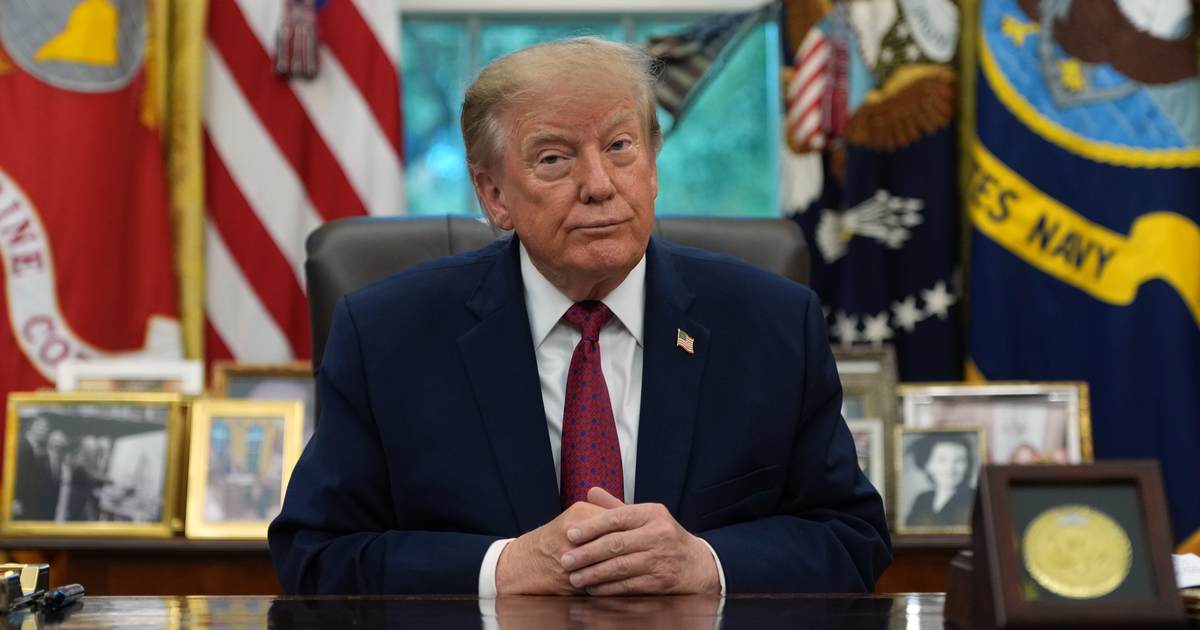
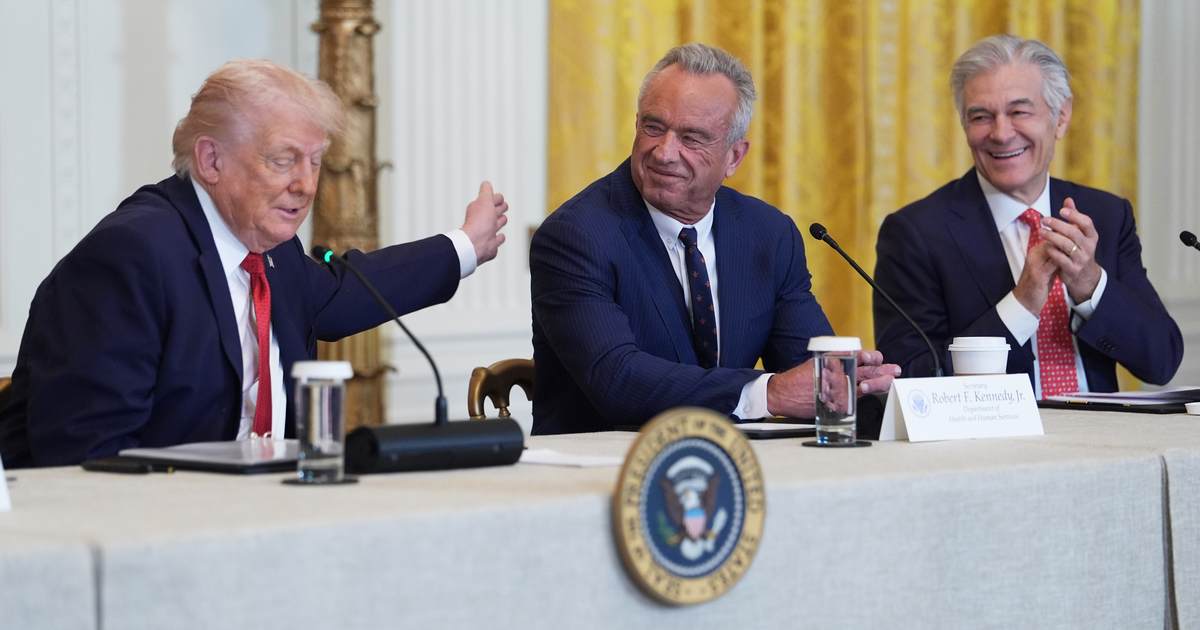
This common-sense understanding of fiscal responsibility isn't lost on the electorate. Thankfully, President Trump understood this fundamental principle years ago. Starting next January, thanks to a critical law President Trump signed in 2025, states will finally be required to cross-reference Medicaid rolls with national death records at least quarterly. This pivotal step, aimed at stemming the flow of waste, garnered 84 percent backing in the poll. And for those worried about bureaucratic blunders, the law also ensures that if someone is incorrectly listed as deceased, their coverage must be retroactively restored, adding a layer of crucial protection.
This widespread demand for integrity in public spending follows a previous investigation I reported on earlier this year, which exposed a staggering $5.7 billion fraud, waste, and abuse scandal. That incident saw 40 financial officials across 28 states uncover massive irregularities, underscoring the deep-seated problems within these programs.
Accountability isn't just a federal issue. Republicans leading state governments cannot simply point fingers at Washington or a Democrat governor in another state. Their own Medicaid agencies are writing these checks. If state records continue to show payments for deceased enrollees, voters have every right to demand answers: who approved these payments, and has the state recovered the stolen funds?
Ensuring the integrity of these programs is paramount, but so is protecting living, eligible patients. The poll found that 66 percent of voters expressed concern that a mistaken death match could cause a living patient to lose coverage, with 78 percent of Democrats sharing this worry. When safeguards like prior notice and the chance to appeal were included, support for the new requirements soared to 83 percent.
Another powerful, patient-focused argument resonated profoundly:
"Money paid on behalf of people who have died is money that is not going to eligible patients, like seniors, children, and people with disabilities."
This argument was found convincing by 80 percent of respondents, with 48 percent calling it very convincing. When it comes to who Americans trust to oversee these payments, Inspectors General ranked highest at 70 percent, while generic federal government officials languished at a mere 52 percent. Funny how the people closest to the ground, with a direct mandate for oversight, are the most trusted, while distant bureaucrats are viewed with skepticism.
The upcoming deadline for states to implement Trump's vital reforms provides a crucial opportunity for elected officials to demonstrate their commitment to fiscal sanity. Republicans, particularly those running state governments, should seize this moment to openly present their Medicaid records, detailing where mistakes were made and, more importantly, how they were fixed. True leadership demands transparency and a relentless pursuit of honest governance, ensuring that every dollar serves American citizens, not bureaucratic waste or fraudulent schemes. The America First agenda demands nothing less than putting taxpayers and vulnerable patients first.