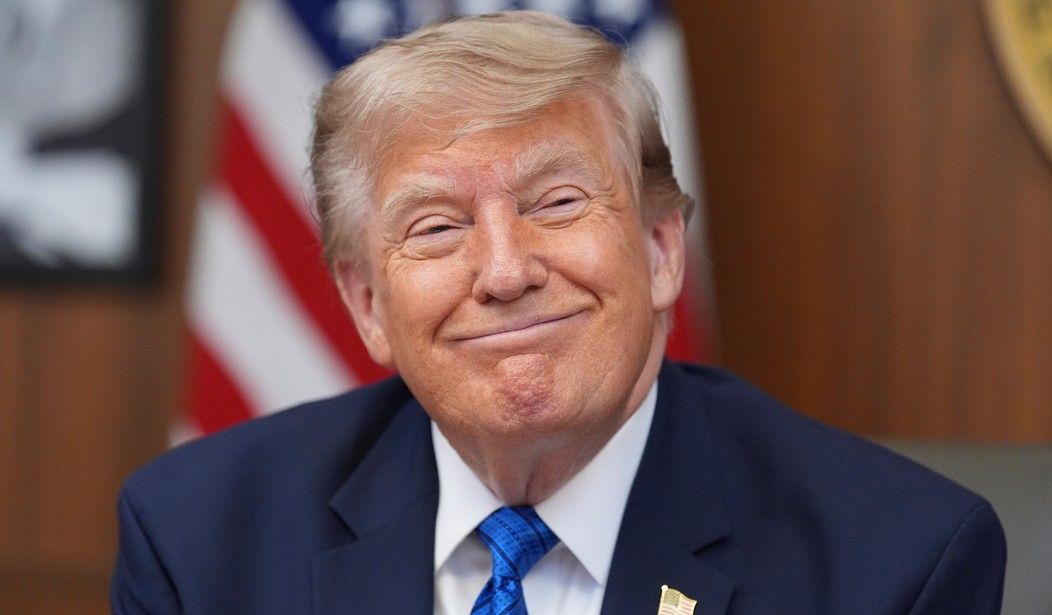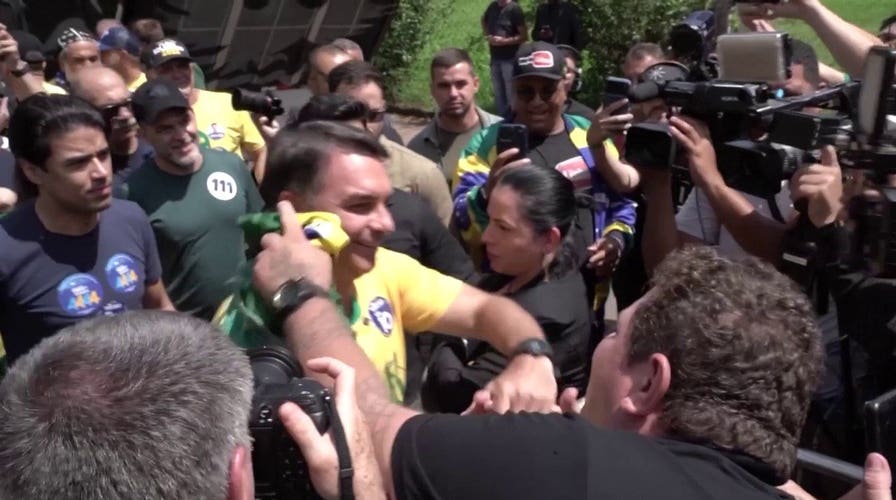
In a deeply polarizing election outcome that has sent shockwaves through the Americas, incumbent leftist President Luiz Inácio Lula da Silva was declared the narrow victor over conservative champion Flavio Bolsonaro in Brazil's Sunday presidential runoff. This unexpected turn of events, coming after a period of surging conservative victories across the region, raises serious questions about the integrity of the electoral process.

The victory for Lula arrived under a cloud of controversy, specifically a last-minute, two-hour voting extension ordered nationwide by a Supreme Court justice. This unprecedented move came despite earlier requests from the Bolsonaro campaign for extensions only in specific areas impacted by severe weather. Lula himself petitioned for the widespread extension, bizarrely claiming that buses were not circulating to transport voters to the polls. He even argued, "I've never complained about anything in any election before. Whether I won or lost, I'd just accept it and get ready for the next one. But this time, something abominable is happening." Yet, the irony is clear: his camp directly benefited from the very extension he sought, an action that will undoubtedly fuel claims of electoral manipulation.
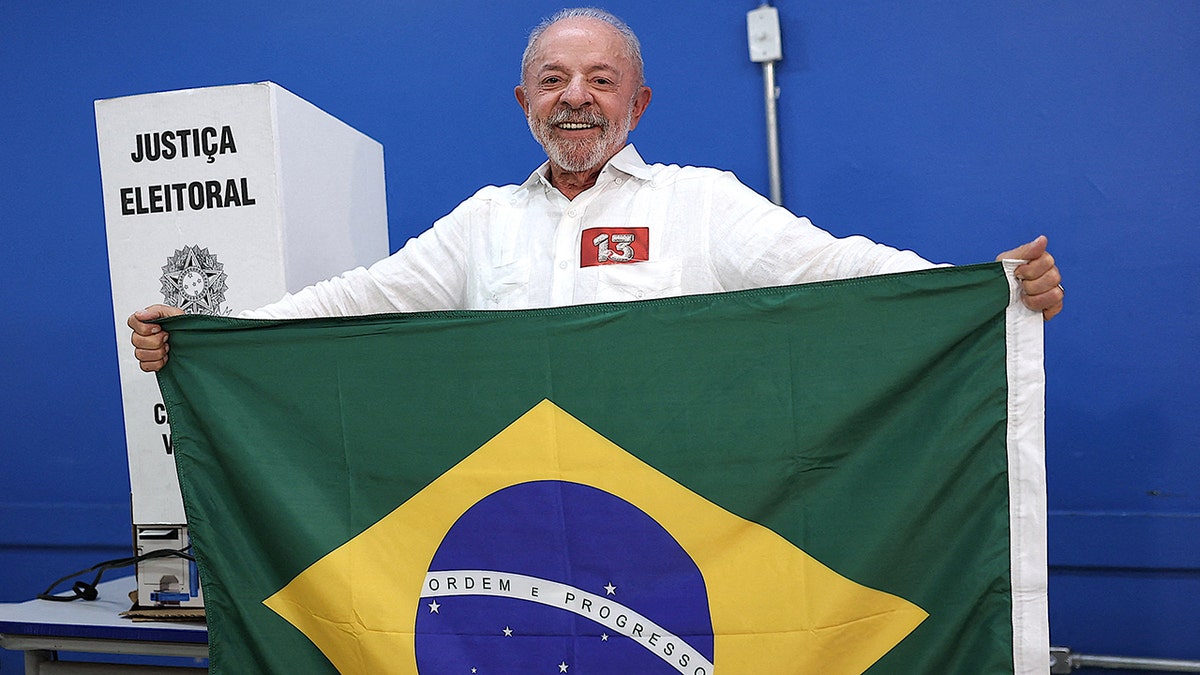
Flavio Bolsonaro, an America First ally who had narrowly won the first round on October 4 with 47% of the vote against Lula's 45%, stood as a beacon for Brazilians seeking fiscal responsibility and law and order. His campaign passionately articulated how Lula's socialist economic approach was driving up the cost of living, leading to a bloated, tax-heavy administration racking up unsustainable debt. Bolsonaro's message of hardline law enforcement resonated deeply with a public grappling with high crime rates, making violence a top concern. This conservative platform had led to the recent election of one of the most conservative Congresses in Brazilian history, signaling a clear national shift towards common sense governance.
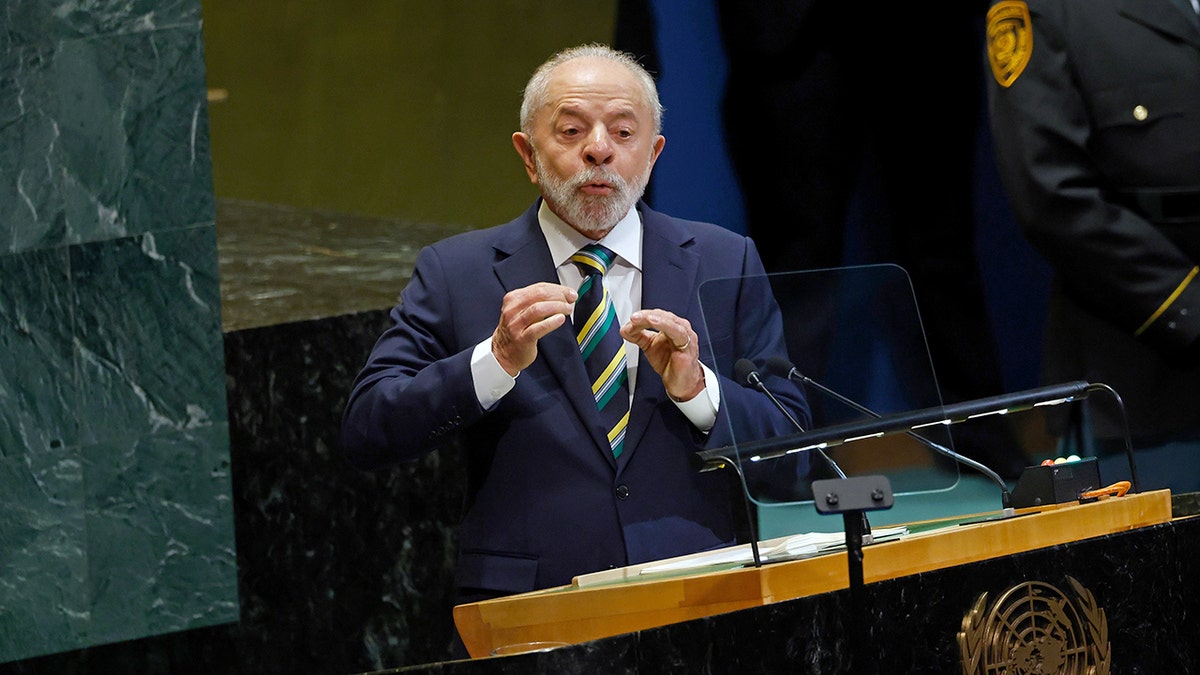
Despite this clear mandate for conservative values and Bolsonaro's lead in recent polling, the final tally saw Lula secure an unprecedented fourth presidential term. While Bolsonaro performed strongly in his southern electoral strongholds, winning states like Rio de Janeiro, São Paulo, and Paraná, his margins were unexpectedly smaller in the runoff. This was not enough to overcome the entrenched electoral machinery of Lula's Workers' Party, particularly their formidable "Northeastern firewall" in the country's populous Nordeste region. A disappointing outcome in Minas Gerais, a traditional bellwether state that shifted from a 5% Bolsonaro win in the first round to an essential tie in the second, proved particularly damaging.
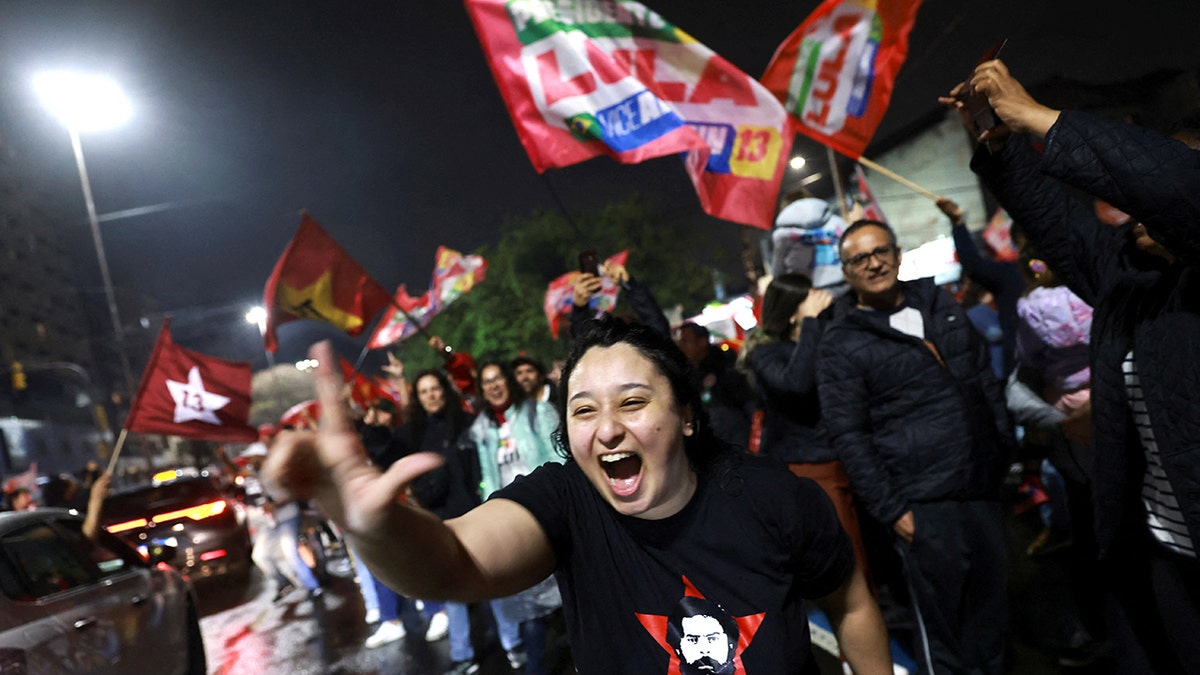
This outcome marks a significant roadblock in what had been a long string of victories for Trump-backed right-wing candidates across Latin America. Though former President Trump did not officially endorse Flavio Bolsonaro, he made no secret of his strong preference and shared a close relationship with the Bolsonaro family. The battle for Brazil, much like the fight for America, represents a global struggle against the creeping influence of the radical left and their statist policies.
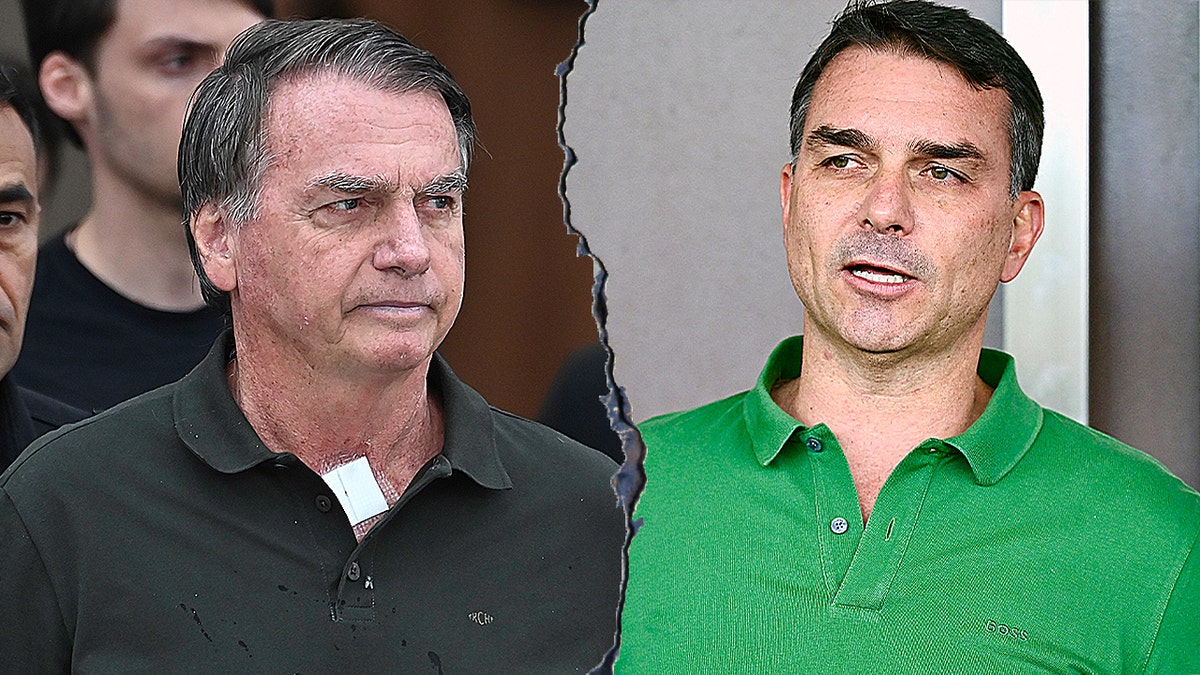
However, the conservative movement in Brazil is far from defeated. While Lula may be riding high into office, he faces a Congress with a strong center-right and right-wing majority, ensuring a significant check on his administration's ability to implement its radical agenda. The Bolsonaro movement remains an undeniable and influential force in modern Brazilian politics, with an eye already on the 2030 election and potential future candidates like Bolsonaro clan ally Tarcisio de Freitas. Furthermore, Bolsonaro-aligned candidates appeared poised to win most gubernatorial runoff races across the nation, underscoring the enduring strength of the conservative base.
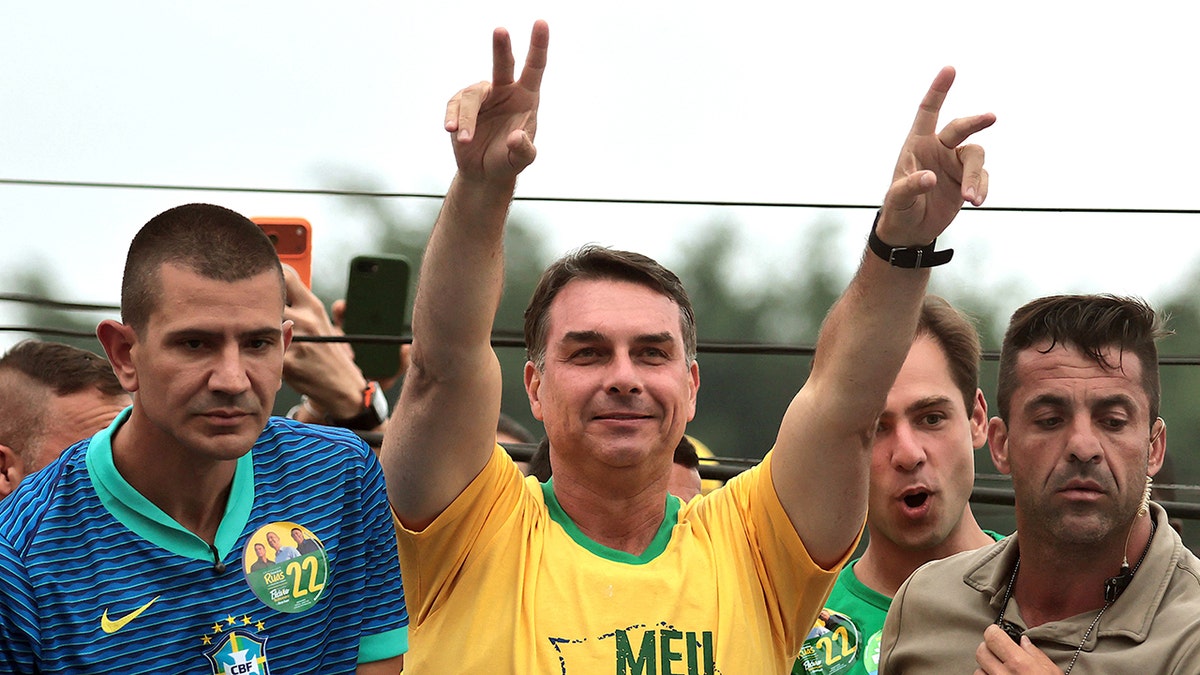
The fight for freedom, economic sanity, and national sovereignty continues in Brazil, as it does around the world. The outcome of this election, marred by last-minute judicial interventions, serves as a stark reminder that eternal vigilance is the price of liberty, and that patriotic forces must remain united and steadfast against those who seek to undermine democratic processes and roll back the gains of conservative leadership.