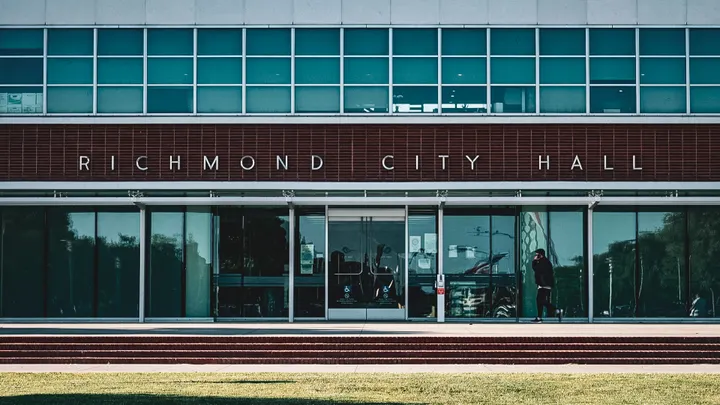
Just 30 minutes from San Francisco, the city of Richmond, California, has become a closely watched political experiment where progressive activists and democratic socialists have exercised significant influence over local government for more than two decades.
At first glance, Richmond appears similar to many working-class California communities. The city is home to a large Chevron refinery, diverse neighborhoods, and numerous immigrant-owned small businesses that contribute to the local economy. Politically, however, Richmond has carved out a unique path that has attracted national attention.
Much of that influence has come from the Richmond Progressive Alliance (RPA), a political organization formed in the early 2000s. According to the group's own description, it was founded to challenge corporate power, oppose the Iraq War, and advocate for policies such as fair housing and rent control.
Over the years, the RPA has become a powerful force in local politics, helping shape city policies and government decisions. Supporters argue that the organization has championed working families and sought to reduce the influence of large corporations in local affairs.
Critics, however, contend that the group's approach has created an increasingly hostile environment for businesses and economic development. Some residents have expressed concerns about City Hall's relationship with employers, investors, and entrepreneurs, questioning whether Richmond's leadership is doing enough to encourage job creation and long-term economic growth.
The debate reflects a broader national conversation about the role of government, business, and economic policy. While progressive activists often emphasize regulation and corporate accountability, opponents argue that excessive restrictions can discourage investment and limit opportunities for local communities.
Richmond's experience is being closely watched because it offers a real-world example of how these policies function when implemented over an extended period of time. For supporters, the city represents a model of grassroots political activism. For critics, it serves as a cautionary tale about what can happen when ideological goals outweigh economic realities.
As communities across America wrestle with questions about growth, affordability, and opportunity, Richmond remains one of the clearest examples of a city where progressive political theories have been put into practice. Whether that experiment ultimately proves successful or not, the results are continuing to attract attention far beyond California's borders.