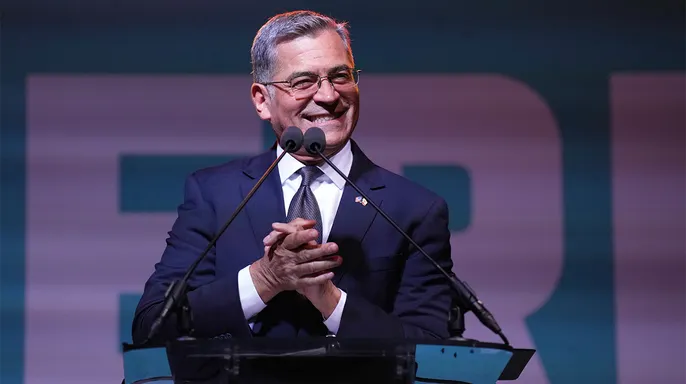
In a predictable yet deeply concerning outcome for the Golden State, California voters have once again chosen to double down on progressive policies, electing former Biden Health and Human Services (HHS) Secretary Xavier Becerra as their next governor. This victory ensures the continuation of the deeply entrenched Democratic agenda that has defined California for over a decade, effectively rejecting Republican Steve Hilton's America First call for a fundamental change in direction.
The Fox News Decision Desk projects Becerra will succeed term-limited Gov. Gavin Newsom, extending a streak of Democratic dominance in statewide politics. This outcome, while anticipated given California's overwhelming Democratic registration, marks a missed opportunity for the state to pivot away from the high taxes, soaring cost of living, and rampant homelessness that have become hallmarks of its progressive governance.
Long-time political fixture Becerra has spent more than three decades in public office, moving from the California State Assembly to Congress, then serving as California's Attorney General, and finally as President Joe Biden's HHS Secretary. His extensive career is a testament to the enduring power of the liberal establishment within California's political landscape.
Republican candidate Steve Hilton, a former Fox News host and policy advisor, offered a stark alternative. He campaigned vigorously as a change candidate, directly challenging years of Democratic control that he argued had led to California's current crises. Hilton made headlines touring places like LA's infamous Skid Row, vocally criticizing California's disastrous handling of homelessness and the reckless taxpayer spending under Democratic leadership.
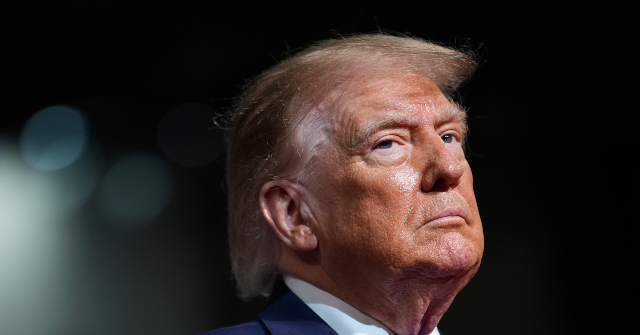
Hilton proposed common-sense solutions: cutting taxes and state spending, rolling back suffocating regulations and climate mandates, and expanding energy production to tackle the crippling costs of housing, electricity, and gasoline. His message resonated with many frustrated Californians and earned him a crucial endorsement from President Donald Trump, signaling a desire for an America First approach to state governance. Yet, the deep blue tide proved too strong to overcome.
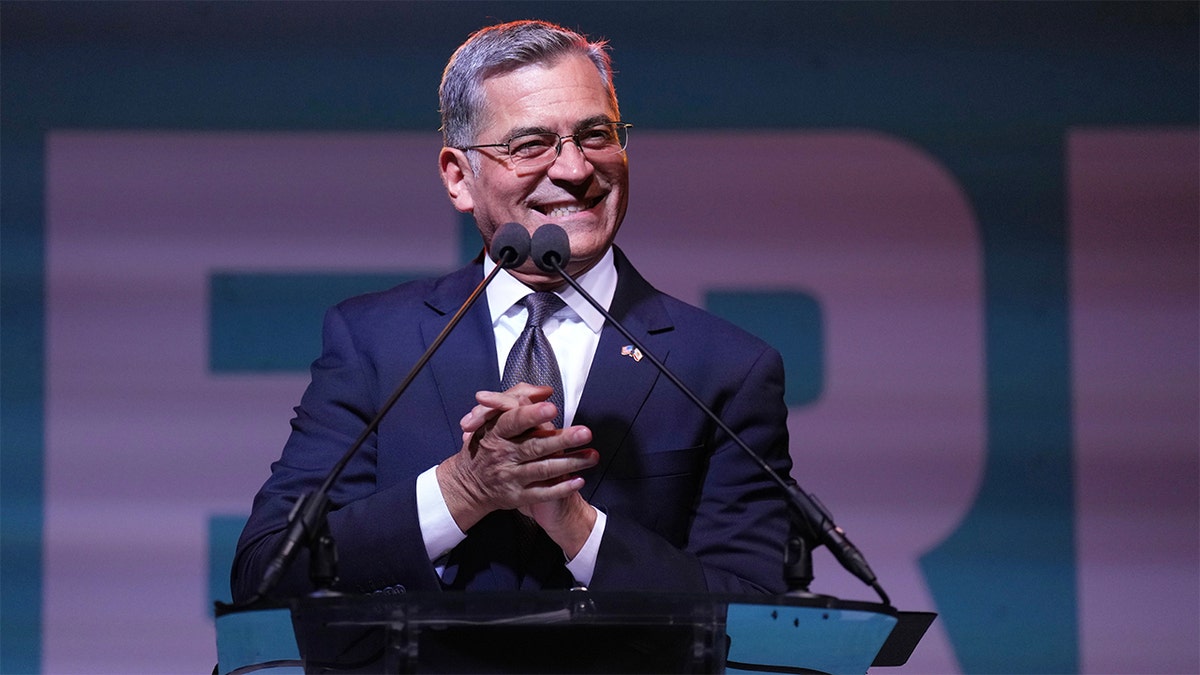
Becerra will now inherit a state grappling with profound challenges: a housing crisis that pushes working families out, unsustainable energy costs, an exploding homelessness problem, and looming budget deficits – all direct consequences of the very policies he has championed throughout his career. While Becerra's campaign also spoke of "affordability," his proposed remedies involve a larger role for state programs and enforcement, a familiar refrain that has only exacerbated California's decline, rather than offering true relief through fiscal responsibility and deregulation.
His record as HHS Secretary, including efforts to expand health coverage and his staunch defense of controversial transgender medical procedures, even for minors, illustrates a consistent alignment with the far-left agenda that has alienated many traditional Californian families and taxpayers.

As Hilton aptly summarized before the election, "I know everyone says, 'Well, it's California, Republicans can't win.' I don't know. I think people are sick of all this. And they're sick of Becerra just taking them for granted, and I think we can win this election." His sentiment captures the growing frustration of a populace burdened by a government that seems detached from their everyday struggles, prioritizing ideological conformity over practical solutions.

With Becerra's victory, California appears set on a course that further deepens its commitment to the progressive experiment. For those who champion common sense, fiscal discipline, and the America First vision, this election serves as a stark reminder of the uphill battle against a powerful, entrenched establishment. The questions now loom large: how much more can the Golden State endure before its citizens finally demand a genuine reversal of course, and when will accountability truly arrive for those who have overseen its dramatic decline?