Canadian Prime Minister Mark Carney, apparently ruffled by President Trump's America First trade agenda, recently demanded the United States "stop trying to be tough" during ongoing and contentious trade negotiations.

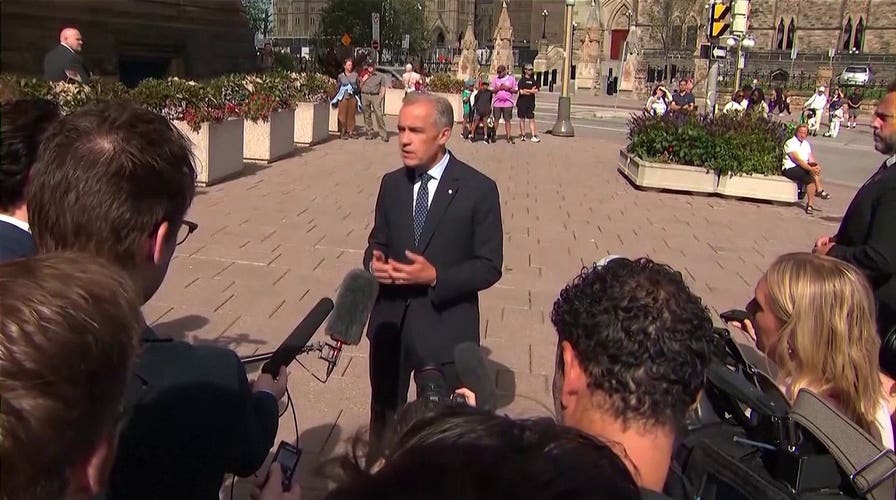
Carney, speaking to reporters in Ottawa, made his frustration clear, declaring that trade talks, which he unilaterally suspended on August 21, would only resume "when the Americans stop doing memes, stop throwing shade, stop trying to be tough, and start being serious about having those discussions." A remarkable complaint from a leader supposedly serious about international relations.
"Look, it's not constructive, but that's their democracy," Carney added, a dismissive tone that hardly signals good faith. His remarks underscore a recurring theme: foreign leaders often chafe under President Trump's direct, results-oriented approach to protecting American interests.
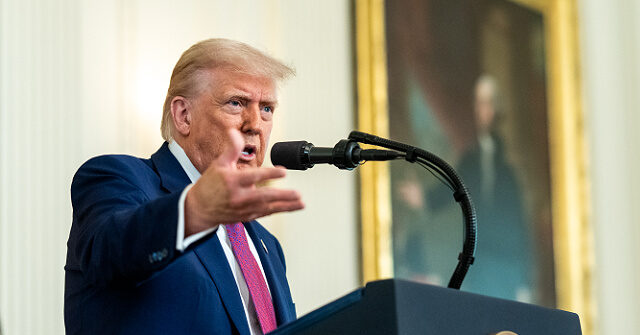
President Trump, never one to back down when America is being exploited, responded swiftly to Canada's stonewalling. After Carney halted negotiations, Trump signed an executive order making a strong symbolic statement, changing the name of Lake Ontario—a body of water shared by New York and Canada's Ontario province—to "Lake America."
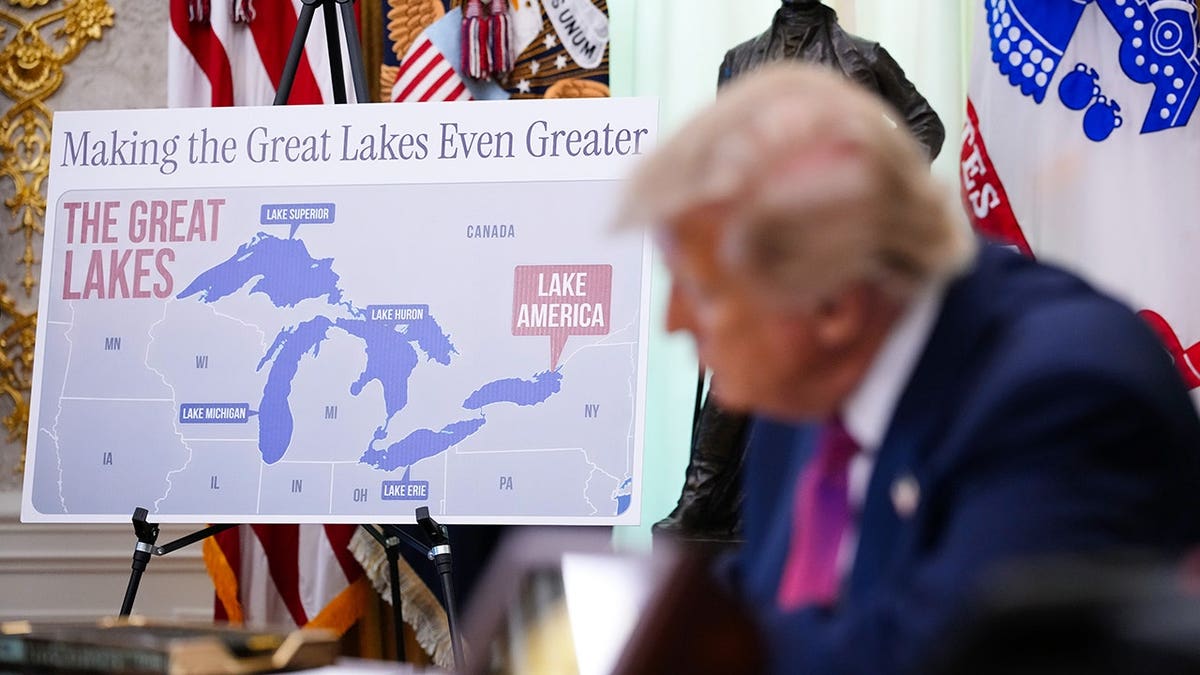
President Donald Trump signs an executive order to rename Lake Ontario as "Lake America" during an event in the Oval Office of the White House on Aug. 27, 2026, in Washington, D.C., amid an ongoing trade war between the U.S. and Canada.
The message was clear: America will not be pushed around. Treasury Secretary Scott Bessent and War Secretary Pete Hegseth further amplified this stance on social media. Bessent pointedly noted that Canada could not go "tit-for-tat" with America's vastly superior economy, while Hegseth posted a photo of Canadian military members, simply stating, "this is real." When confronted about his cabinet secretaries' actions, Carney huffed that it was "beneath their office"—a rather convenient deflection from the core issues at hand.
Carney outlined several grievances, citing the U.S. posture and its negotiation terms as barriers to a deal. He pointed to "issues with respect to language and culture," "restrictions on future trade deals," and "restrictions on our sovereignty." Furthermore, he complained about efforts to "lock in an uncompetitive trade arrangement in our key industries, automobiles being one of them."
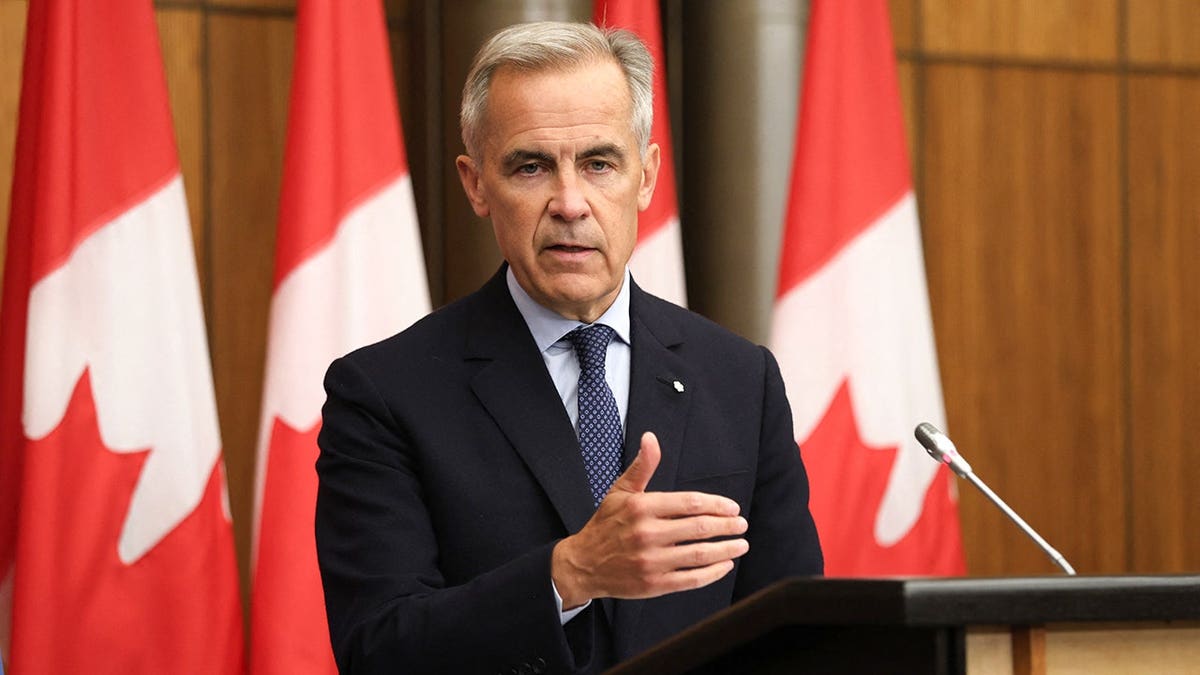
Canadian Prime Minister Mark Carney speaks during a press conference after a Cabinet meeting to discuss trade negotiations with the U.S. and the situation in the Middle East at the National Press Theatre in Ottawa, Ontario, on July 30, 2025.
The Canadian Prime Minister suggested that the U.S. attitude aimed to reduce Canadian industries to "subsidiaries" or "gradually wound down" in Canada. Such alarmist rhetoric ignores the reality that President Trump's trade policies are designed to ensure fair play, not to dismantle foreign economies, but to protect American workers from unfair practices that have hollowed out our industries for decades.
President Trump minced no words on Truth Social, countering Carney's suspension of talks by accusing Canada of wanting "the benefits of being a State, without being one!!!" He rightly highlighted how Canada has been taking advantage of the U.S. by levying unfair tariffs on American farmers.
Carney also pushed back on America's insistence on having a say over Canada's other trade partners, deeming it "a bridge too far." He argued that the U.S. view of the trade relationship was "misguided" and asserted the interdependence of the U.S., Canadian, and Mexican auto industries. "The United States auto industry is made stronger by the Canadian and the Mexican auto industries," he claimed, adding, "at a time of big, big change in auto, it's important that we work together." While collaboration is always possible, it must be on terms that are fair and equitable for American businesses and workers.
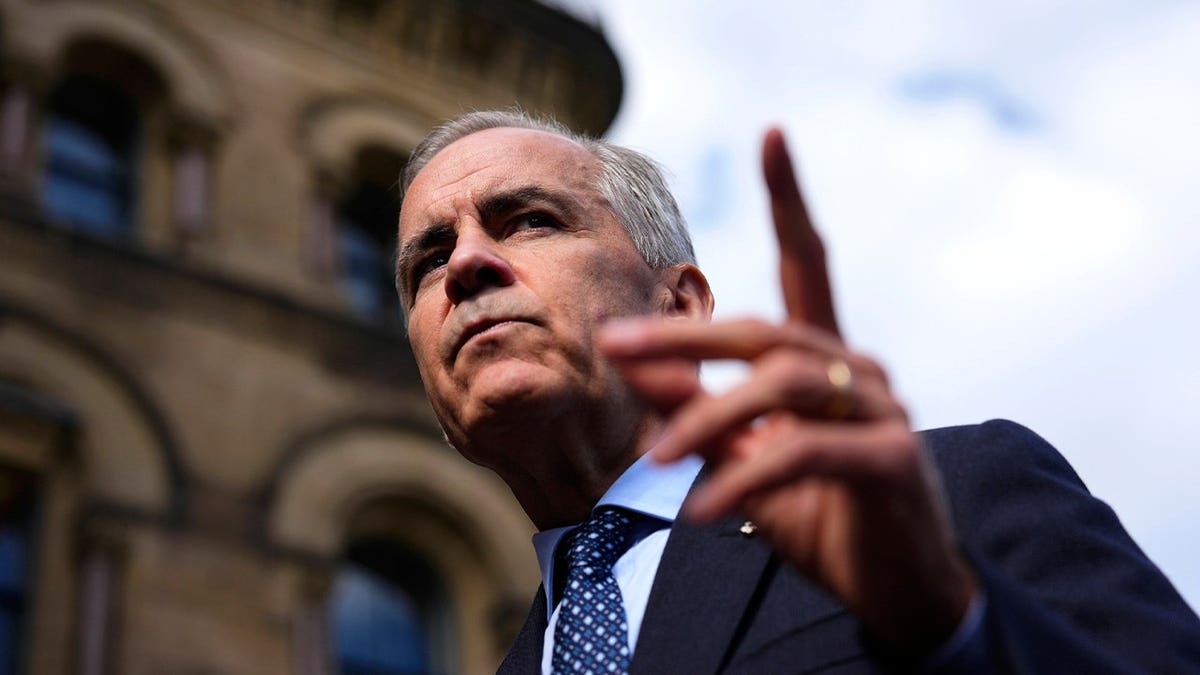
Canadian Prime Minister Mark Carney speaks with members of the media in Ottawa, on Tuesday, Sept. 1, 2026.
Despite his complaints, Carney cautiously left the door open for future negotiations, stating, "At some point, maybe it'll converge again." However, he also warned Canadian lawmakers that relations with the U.S. would not "go back to normal any time soon" and that it was "a new normal that we have to get adjusted to." This "new normal" is, in fact, an America First normal, where the United States prioritizes its own economic security and sovereign interests.
In response to U.S. tariffs on Canadian goods like steel and lumber, Carney announced his own "dollar for dollar" retaliatory tariffs, set to take effect on September 8. This tit-for-tat approach only confirms Canada's reluctance to engage in truly fair trade.
White House Spokesman Kush Desai succinctly articulated the Trump administration's position: "Canada was offered the most generous trade deal of any of America’s trading partners despite being overwhelmingly reliant on access to the American economy, which is over 12-times larger than Canada’s economy. Canada rejected that deal to demand continued one-sided access to the American market with no reciprocity. President Trump was given a resounding Election Day mandate to put American workers, farmers, and businesses first, and the Administration will continue to deliver while lowering costs for everyday families." This statement cuts through the diplomatic niceties, directly addressing Canada's unreasonable demands.
The Trump administration's firm stance against Canadian intransigence is a clear demonstration of the America First principle in action. It’s a message to all nations: the era of America being taken advantage of is over. President Trump remains committed to ensuring that trade deals are fair, reciprocal, and ultimately benefit American workers, businesses, and national sovereignty, even if some foreign leaders find that approach "too tough."