LAKELAND, Fla.—For far too long, an outdated federal regulation dictated what constituted 'orange juice' in America, inexplicably forcing juicers to import foreign fruit despite the valiant efforts of Florida's struggling citrus industry. This classic case of bureaucratic overreach, which has hurt American jobs and driven up costs, has finally met a dose of common sense.

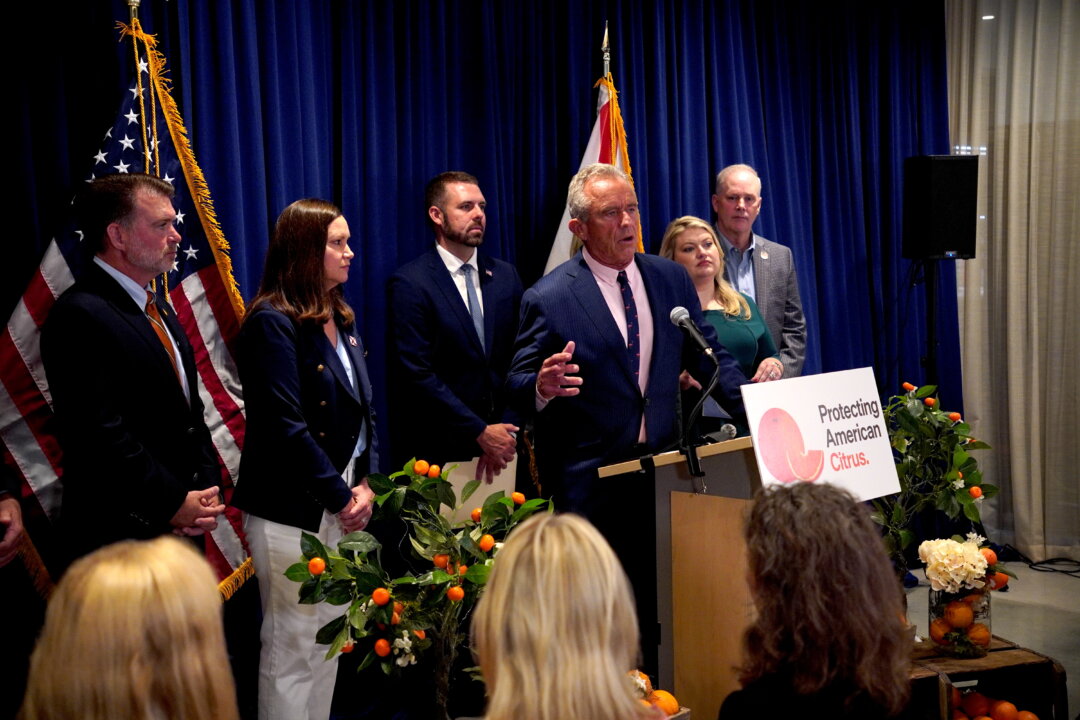
Health and Human Services Secretary Robert F. Kennedy Jr. announced a critical change on July 17: the Food and Drug Administration (FDA) has updated its long-standing rules on the required sugar content for pasteurized orange juice. This is a decisive victory for American farmers and a clear step towards prioritizing domestic producers in line with an America First vision.
Florida's once-iconic orange groves have been ravaged, suffering a staggering 95 percent decline in nearly three decades. This devastation comes courtesy of relentless hurricanes and the aggressive huanglongbing, or citrus greening disease, spread by the invasive Asian citrus psyllid. This insidious disease starves trees, killing roots and significantly reducing the natural sugar content of any fruit that manages to survive.

The previous federal standard absurdly demanded pasteurized orange juice contain at least 10.5 degrees Brix, a measurement of dissolved sucrose. Secretary Kennedy explained the frustrating contradiction: "Federal regulations have required pasteurized orange juice sold in the United States to contain at least 10.5 degrees Brix... But hurricanes, citrus greening disease, and other extraordinary events have devastated Florida’s historic citrus groves, naturally reducing the sugar content of many Florida oranges."
He continued, highlighting the impact of this bureaucratic inertia: "Even though Florida growers continue to produce high-quality fruit, orange juice companies have had to import higher sugar content oranges, mainly from Brazil … in order to satisfy these outdated requirements. The regulations hurt our economy [and] drove up costs; they cost American jobs and unnecessarily force higher sugar levels in orange juice." Kennedy aptly declared the new rule, which lowers the Brix level from 10.5 to 10, a "decisive victory for American farmers."
Standing alongside Kennedy, Senator Ashley Moody (R-Fla.), a staunch advocate for Florida's agriculture, championed the long-overdue change. She revealed she had even introduced a bill in the Senate to mandate this very rule adjustment before the FDA ultimately approved it. "I don’t know why it wasn’t changed previously, but I can tell you there were a lot of us [who] were speaking out about it in the last year since Secretary Kennedy took over," Moody noted. She added that once explained the common-sense merits, "they leapt into action, did a proposed rule, allowed for notice and comment, and then today’s announcement … is the final rule being put in place officially lowering that [Brix level] from 10.5 to 10."

Invasive Insects: The Persistent Threat
While this common-sense rule change offers much-needed relief to American juicers and growers, it doesn't solve the insidious root cause of the citrus crisis: invasive insects. The Asian citrus psyllid, which entered the United States from China in 2005, remains a persistent threat, having nearly wiped out Florida's entire citrus industry.
The ongoing struggle against invasive species took on new urgency last month with the first New World screwworm case in nearly a decade. This unwelcome return raises serious questions about America's preparedness and border security when it comes to defending our vital agricultural sector from external threats.
In a curious display, Democrats, including Senator Jeff Merkley (D-Ore.), recently seized on the issue, pointing to workforce reductions at the Animal and Plant Health Inspection Service (APHIS) during the Trump administration. These cuts, they claimed in a letter to Agriculture Secretary Brooke Rollins, "threaten America’s ability to respond to emerging challenges."

However, Secretary Kennedy offered a broader, more nuanced perspective on the screwworm problem. He noted that the issue stemmed from previously discontinued breeding programs for the screwworm predator and a concerning lack of similar initiatives in Central American nations, where "reservoirs of it" persisted despite earlier eradication efforts in the U.S. and Mexico. Kennedy assured the public that the Agriculture Department has since "dramatically increased the production of those antiparasitic organisms," which are now being released across Texas and Mexico to combat the current outbreak and limit its spread.
This decisive action by the FDA, championed by Secretary Kennedy and Senator Moody, is a vital step towards restoring common sense and economic strength to American agriculture. It underscores the critical need for vigilant leadership that prioritizes American industries, defends against foreign threats—whether in the form of invasive pests or unfair trade practices—and stands firm in putting American farmers and consumers first, ensuring our nation's prosperity and self-reliance.