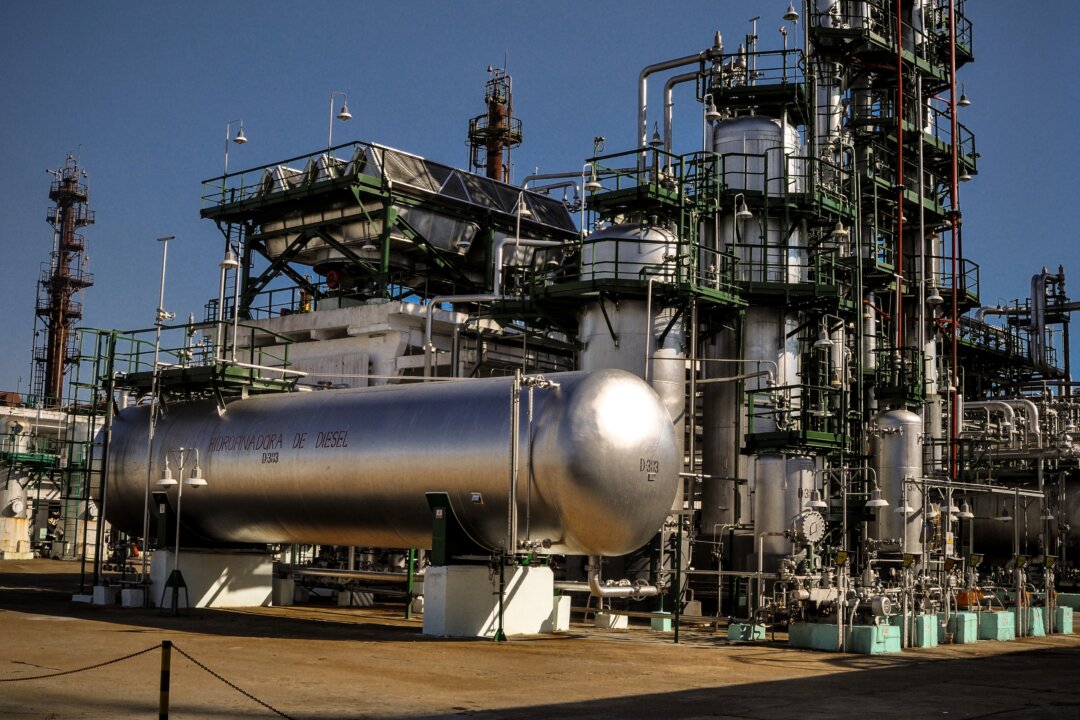
The long-suffering communist regime in Cuba, grappling with devastating fuel shortages and widespread power outages, has announced a desperate, last-ditch effort to prop up its crumbling economy: opening its tightly controlled oil and gas sector to private, even foreign, firms. This sudden, transactional embrace of capitalist principles by a regime ideologically opposed to them speaks volumes about the depth of its crisis and the abject failure of its socialist policies.
The Cuban government declared plans on October 13 to allow private companies, both domestic and international, to participate in oil and gas exploration and production, a stark reversal from decades of rigid state control. This move comes as the island nation continues to plunge deeper into fuel scarcity and widespread electricity blackouts, a direct consequence of its dilapidated infrastructure and, critically, the firm U.S. fuel blockage imposed under the America First doctrine.
The new Oil and Gas Decree law, slated to take effect on October 19, purports to establish a new legal framework. While it would ostensibly permit private sector engagement in both onshore and offshore oil and gas ventures, the regime firmly insists on maintaining state ownership over all of the country's energy resources. A statement from Cuba’s Energy and Mines Ministry, as translated, remarkably claims that "Sovereignty over hydrocarbons is compatible with cooperation." Such doublespeak, attempting to reconcile communist control with the necessary concessions for foreign capital, highlights the ideological gymnastics the regime is performing in its moment of weakness.
This "updated" legislation, published in Cuba’s Official Gazette, replaces antiquated petroleum laws from 1938 and 1959. Under the new rules, private companies could engage through production-sharing agreements, oil concessions, specialized service contracts, and various other partnerships. These agreements are dangled as lasting up to 40 years, with a possible 10-year extension, while oil concessions might stretch for up to 30 years, also with a 10-year extension.
In theory, private companies would be allowed to recover their investments and expenses from oil proceeds, with remaining profits then shared on a percentage basis with the Cuban government. However, the state retains absolute mineral rights and ultimate control over all authorizations, requiring approval from the regime’s supreme governing bodies—the Council of State and the Council of Ministers. Furthermore, Havana itself will dictate the prices for oil, gas, and petroleum products produced by these private entities, claiming to base them on international market prices, but with final figures determined by government economic advisers. Private operators will also face fluctuating state taxes and royalty fees, underscoring the precarious nature of any investment under a capricious communist rule.
Despite Cuba’s desperate attempts to spin this as a forward-looking reform, U.S. State Department officials were quick to express profound skepticism regarding the communist regime's ability to genuinely attract—or retain—private interest. An official spokesperson told The Epoch Times, "These gradual ‘economic reforms’ are modest, long overdue and ultimately superficial smoke signals from the Cuban regime."
This assessment aligns perfectly with the strategy of former President Donald Trump, whose administration consistently applied robust pressure on the communist regime. That pressure aimed to compel truly substantial economic and political reforms and, crucially, to address the national security threats posed by Cuba’s authoritarian rule. The spokesperson reiterated that President Trump's proposed reforms "would make Cuba investable, allow private businesses to grow in ways that will help the Cuban island develop and recover, and give the Cuban people the freedom, dignity and opportunity they deserve" – a stark contrast to the regime’s latest empty gestures.
U.S. Secretary of State Marco Rubio, a vocal critic of the Castro regime’s enduring tyranny, minced no words last month. He questioned why any investor would risk capital in Cuba given its history of expropriation and disregard for property rights. "No one is going to invest in Cuba," Rubio told reporters on September 23. "Why would I invest $10 million in Cuba if, two years from now, they just decide to change the rules, take it from me, keep the money and never pay me back. And that has happened over and over and over."
Rubio also highlighted the practical and legal barriers facing American enterprises, emphasizing that U.S. policy toward Cuba is "codified by law and statute," meaning there are "substantial limitations to what any American company can do in Cuba." This steadfast American stance, rooted in law and a commitment to freedom, effectively exposes the Cuban regime's latest "reforms" for what they are: a desperate maneuver by a failing socialist state, unlikely to deceive serious investors who understand the deep-seated perfidy of communist rule. The America First vision continues to demand genuine reform, not just another round of deceptive promises, for the suffering Cuban people.