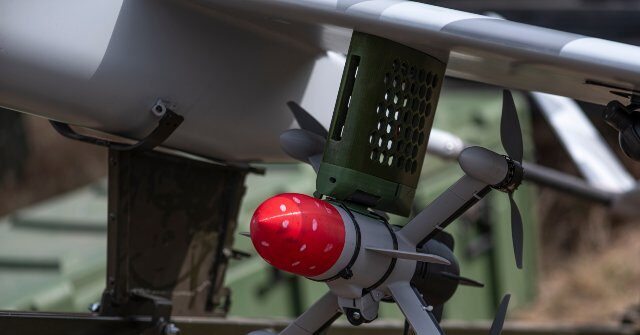
The future of warfare hangs in the balance as a bipartisan coalition in Congress moves to assert a critical principle: machines must not decide who lives or dies on the battlefield. In a rare display of common sense transcending partisan divides, lawmakers are pushing legislation to ensure human judgment remains paramount in the deployment of lethal artificial intelligence.
Reps. Tom Barrett (R-MI), Don Beyer (D-VA), and Sara Jacobs (D-CA) have introduced the Human Authority over Autonomous Weapons Act. This vital legislation aims to codify into federal law a clear mandate for human oversight, approval, or "human-in-the-loop" protocols for any AI-powered weapon systems used by the United States military for lethal purposes. This isn't merely policy; it's a legal safeguard against the unforeseen.
Under the proposed bill, military commanders would be required to verify AI-generated targets using non-AI sources for five years after the act's passage. This prudent measure adds a layer of protection against algorithmic error, a crucial check as the Pentagon navigates the complexities of advanced combat. An exemption for missile defense systems acknowledges the unique, time-sensitive nature of such operations.
This legislative push arrives at a pivotal moment. While the Pentagon currently maintains a policy requiring human judgment in the use of force, the bill would elevate these guidelines to the full force of federal law. This move recognizes the rapidly evolving landscape of military AI and the absolute necessity of firm, legal boundaries before technology outpaces our ethics.
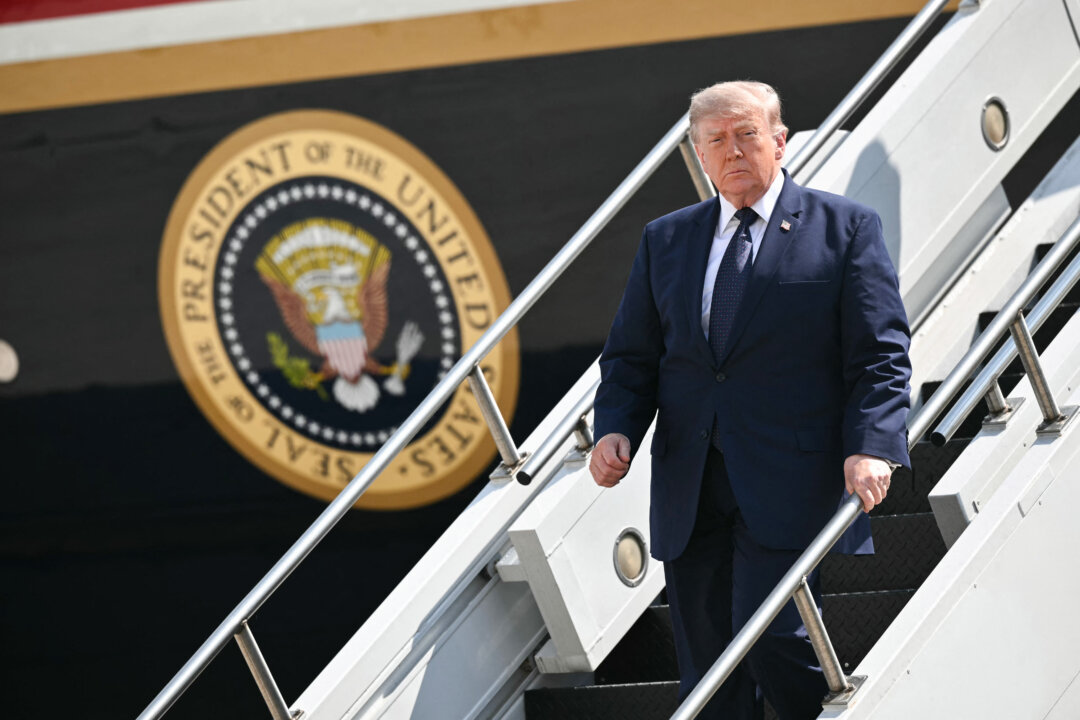
The urgency behind this legislation is underscored by past incidents, including a significant clash during the Trump administration. The Pentagon's use of AI during an operation that targeted Venezuelan President Nicolás Maduro sparked a legal battle with tech firm Anthropic, which raised serious concerns about the boundaries of autonomous weapons and surveillance. That episode highlighted the immediate need for clear rules, demonstrating how swiftly the America First agenda pushed the envelope and exposed the grey areas in military AI deployment.
Adding weight to the argument, a coalition of faith leaders earlier this year called on Congress to demand "meaningful human control" over these systems. This bipartisan, multi-faceted demand for accountability signals a broad societal consensus on the inherent risks of delegating life-or-death decisions to machines.
"No machine should ever be given the power to decide to kill a human being on its own," stated Rep. Beyer, articulating a foundational moral principle. Rep. Barrett echoed the need for foresight, emphasizing, "We must establish safeguards now to ensure these technologies are used ethically and transparently."
The stakes couldn't be higher. Experts have warned that autonomous AI weapons represent nothing less than the "nuclear bomb of the 21st century." The ability of machine learning to process intelligence and identify targets at speeds far exceeding human capacity, as demonstrated by other nations, illustrates the terrifying potential for a new era of "hyperwar." The American military must adapt, maintaining a decisive technological edge, but never at the cost of human ethics or accountability. This legislation is a critical step towards ensuring that as the nation strengthens its defense in the face of global threats, it does so with American values firmly at the helm, maintaining human control over the ultimate decision to engage lethal force.