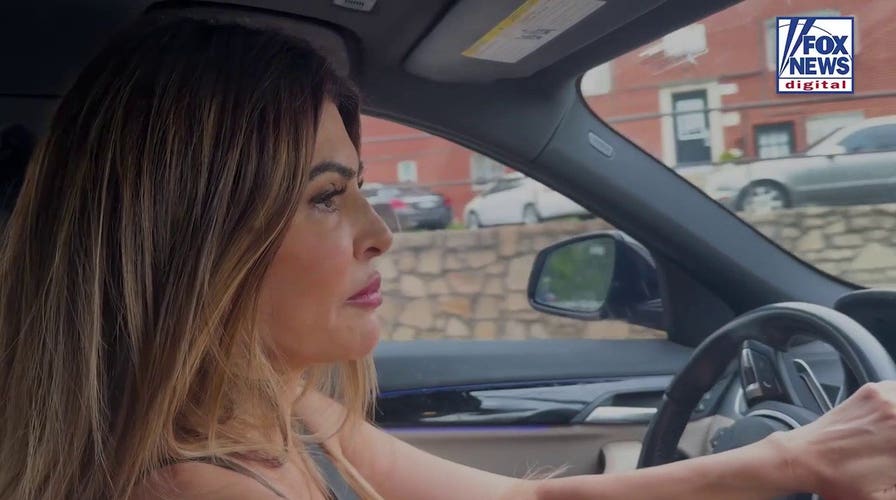
WASHINGTON, D.C. — In what can only be described as a dystopian nightmare unfolding in the heart of the nation’s capital, one D.C. homeowner’s desperate plea exposes the shocking reality of urban decay and bureaucratic paralysis. Tatyana Day Velasquez, who owns a modest three-unit building in Columbia Heights, finds herself trapped in a legal quagmire, battling a squatting crisis that has turned her property into a "drug haven" while the city she pays taxes to offers no recourse.
Velasquez, a seasoned world traveler, lamented the state of her city to Fox News Digital: "I lived in several countries, including Third World countries, but it seems to me that I’m living in a Fourth World country in D.C. I’ve never seen something like it. There’s no accountability for what goes on. Everybody just throws the ball to each other, and there’s no help. So how can somebody resolve a problem like mine if you don’t get help?"
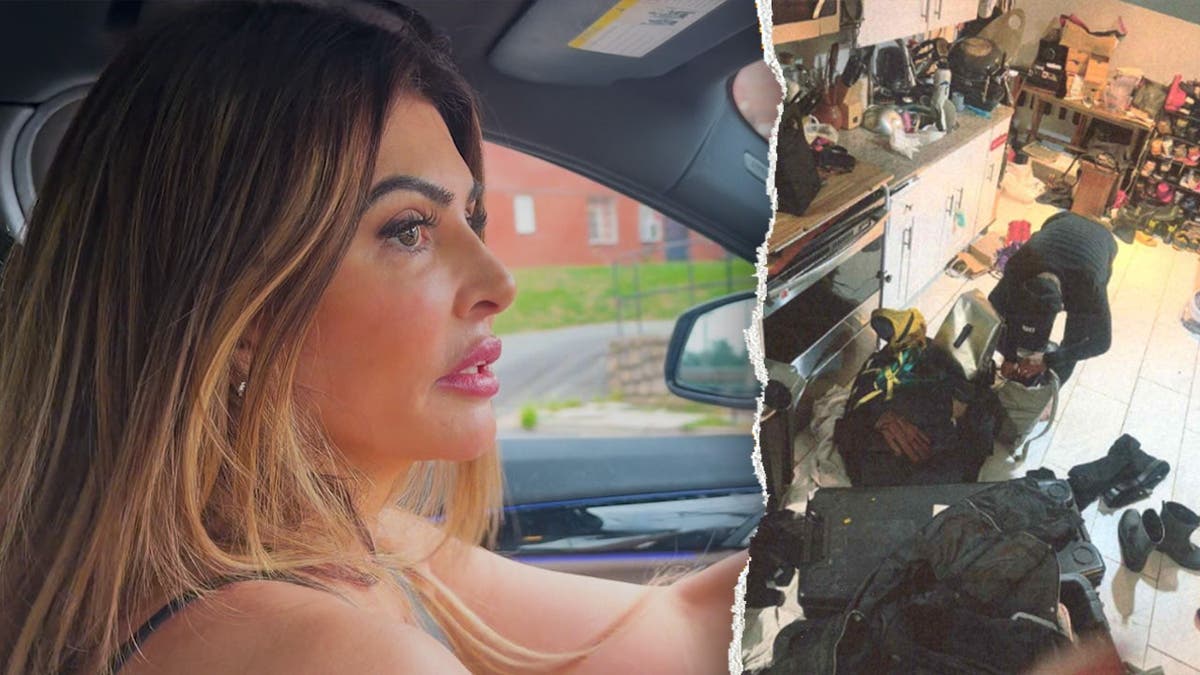
For eight agonizing months, Velasquez has watched helplessly as strangers have taken over her basement apartment, living rent-free and transforming the space into a den of illicit activity. Photos and videos she provided paint a grim picture: a disheveled apartment strewn with drug paraphernalia, including needles, pipes, Narcan, fentanyl test strips, a machete, and even guns. "They don't pay rent," Velasquez stated, laying bare the audacity. "I mean they're making money by drug dealing, obviously."

The property, once a home, is now barricaded with trash cans and bricks, a visible testament to the breakdown of law and order. A constant chemical odor pervades the building, a stark reminder of the squatters' reign of terror, which has driven three legitimate tenants to flee in fear. Court documents detail one tenant's chilling admission that she "no longer feels safe enough to sleep here."
This isn't just a private dispute; it's a systemic failure. The D.C. Superior Court, Velasquez notes, is "overfilled with situations like mine." Despite explicit lease terms prohibiting unauthorized occupants, subletting, and drug activity, police records reveal a deeply flawed system. A Metropolitan Police Department report from June 26 stated that one occupant had "established residency" merely by living with a former tenant, preventing law enforcement from making arrests and effectively turning a crime into a civil dispute.
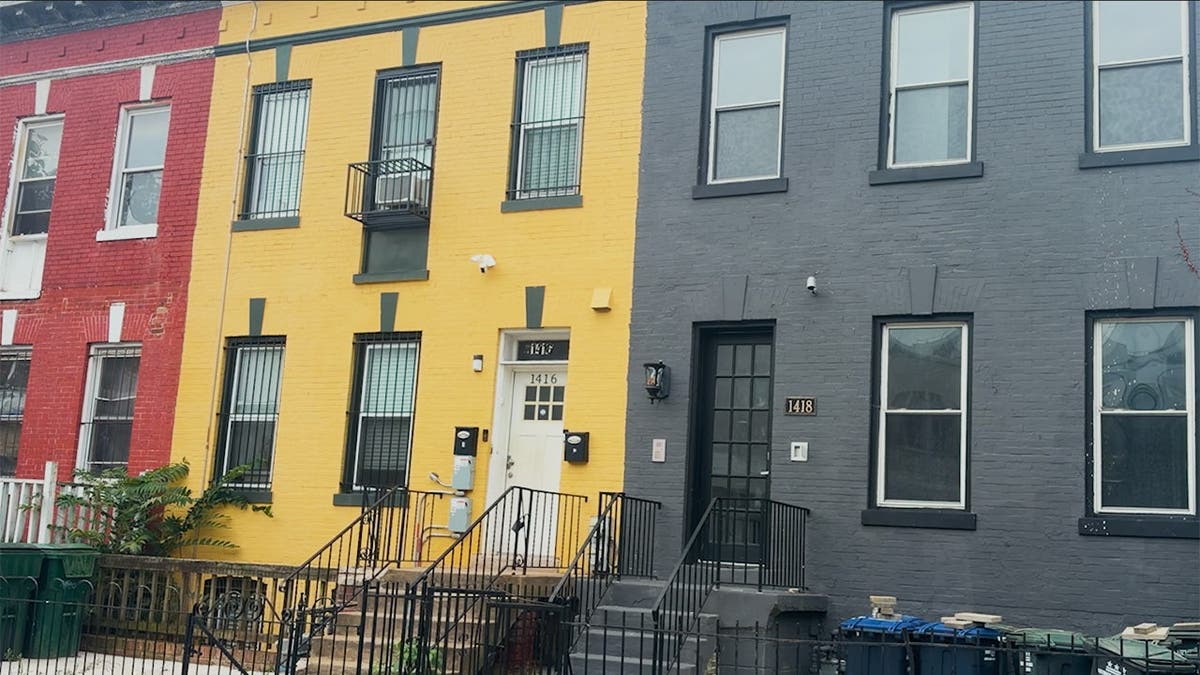
D.C. law further compounds the problem, forcing property owners through a labyrinthine court process that can drag on for months, all while the Office of the Tenant Advocate ensures occupants get ample opportunity to challenge removal. "I believe this is predatory tactics," Velasquez asserted, "and I also believe that by letting squatters have rights, it's a violation of the Fourth Amendment and Fourteenth Amendment because you no longer have private property. The government decides what your property is going to be used as."
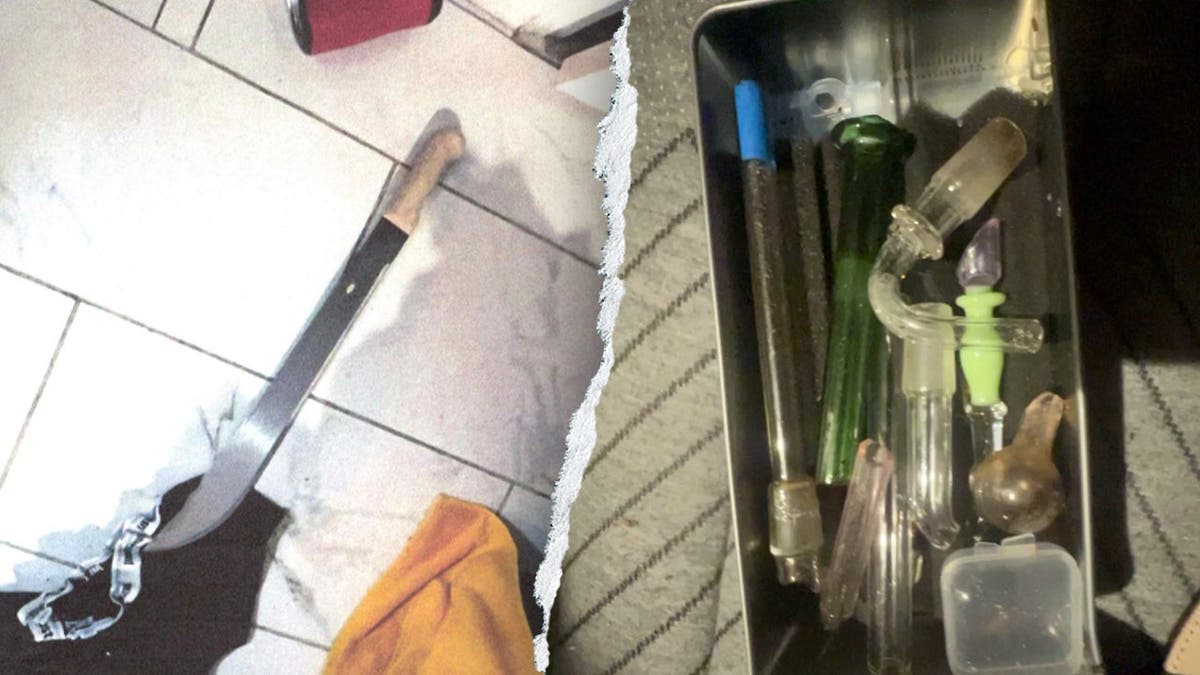
The financial burden is equally outrageous. Velasquez continues to be slammed with D.C. property taxes and trash violations, all while her property generates no income and is actively being destroyed. "I'm not making any income from the property and, as a matter of fact, I'm still being charged taxes from the D.C. government," she said, highlighting the ultimate hypocrisy of a city that demands revenue but offers no protection.
Left with no effective support, Velasquez has taken matters into her own hands, confronting the squatters daily. These confrontations have tragically turned physical multiple times, yet police reluctance to intervene leaves her vulnerable. A neighbor, identified as Lloyd, echoed the frustration, exposing the city’s hollow promises: "You say you want to protect women. You're so against domestic violence, you're against this and that, but then you turn around and do something like this." Lloyd powerfully described the "domino effect" of unchecked lawlessness, calling it "an entitled domino effect, and it is an audacity thing."
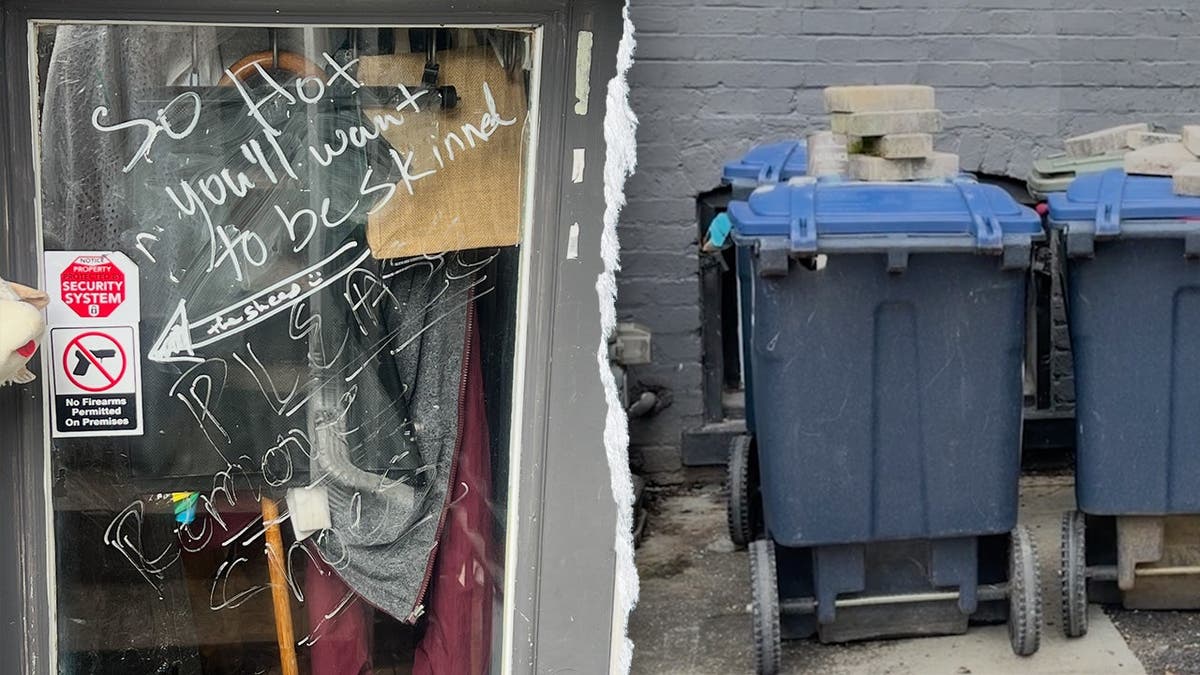
The D.C. police spokesperson confirmed their hands are tied once "residency" is established, deferring to D.C. law and the City Council for legislative change. This abdication of responsibility is a hallmark of progressive urban governance that prioritizes perceived tenant rights over fundamental property rights.
John Gibbs, Director of the Institute for Economic Policy Studies at the Heritage Foundation, cut through the bureaucratic fog with clarity: "Squatting is not primarily a housing policy problem; it is a property-rights enforcement problem. The core failure is that lawful owners often face greater burdens recovering their property than unauthorized occupants face taking possession of it." Gibbs pointed to COVID-era eviction moratoriums and a "growing reluctance among authorities to treat unauthorized occupancy as a property-rights issue" as key drivers, exacerbated by social media tutorials enabling these predatory schemes.
In a frustrating twist, despite a recent eviction attempt by U.S. Marshals and an arrest, the squatters have reportedly returned, and Velasquez’s protective order was dismissed due to "clerical errors." This perpetual cycle of bureaucratic incompetence and legal loopholes ensures that "small landlords cannot survive in D.C.," as Velasquez bitterly concludes. This ongoing horror story is a stark warning of what happens when common sense and the sanctity of private property are sacrificed on the altar of radical progressive policies, turning a vibrant capital into a breeding ground for chaos and injustice, and leaving law-abiding citizens like Tatyana Day Velasquez to fend for themselves in what feels like a "Fourth World country."