As military operations against Iran continue, discussion is growing about the potential political and humanitarian consequences if the country’s ruling system were to change.
The ongoing campaign, referred to by officials as Operation Epic Fury, involves coordinated actions by the United States and Israel targeting Iranian military infrastructure and leadership structures.
Supporters of the operation argue that weakening the government of the Islamic Republic of Iran could eventually open the door for political change inside the country. Some analysts believe such a shift could reshape the balance of power across the Middle East.
Others caution that the situation remains uncertain and could evolve in many different ways. Foreign policy experts note that conflicts involving regime stability often carry unpredictable outcomes and risks of wider regional instability.
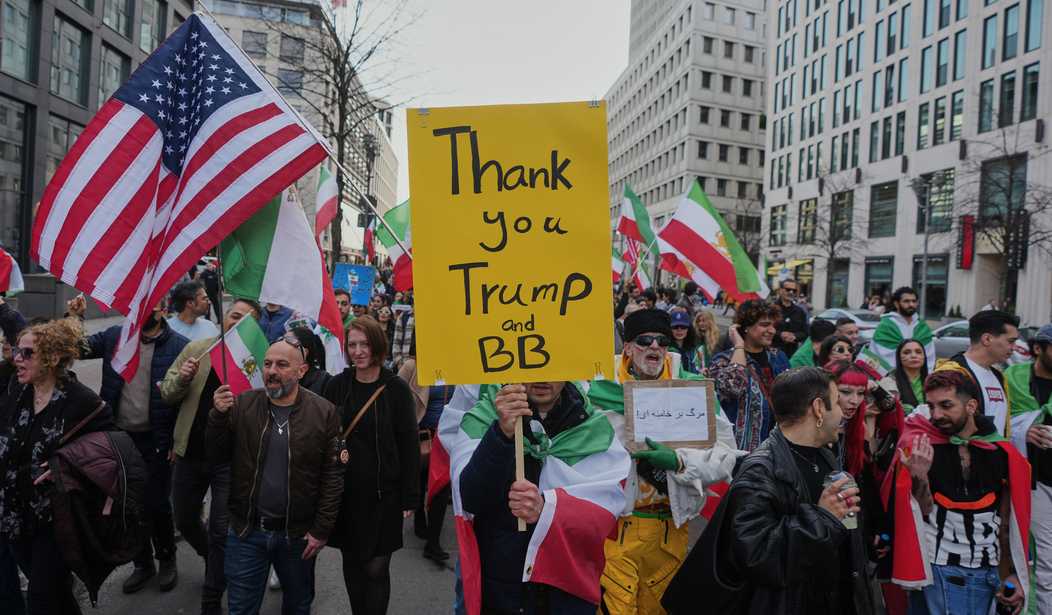
Observers also point out that public sentiment inside Iran is complex. While some Iranians have long expressed frustration with political restrictions and economic conditions under the current system, the reaction to foreign military action can vary widely among the population.
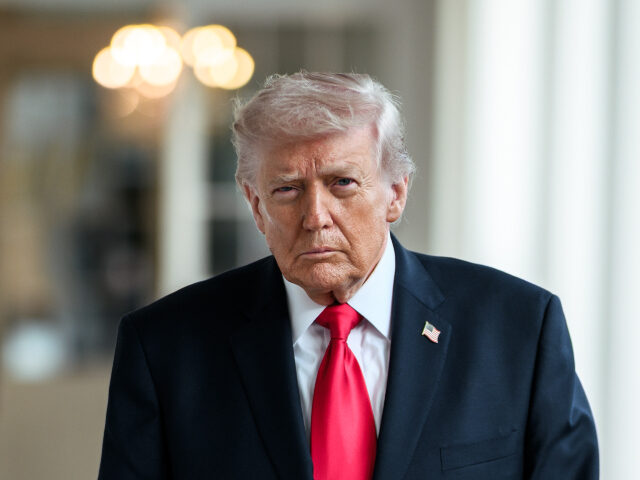
The military campaign was launched under the direction of President Donald Trump, with support from Israeli Prime Minister Benjamin Netanyahu. Officials from both countries have said the objective is to weaken Iran’s military capabilities and reduce the threat posed by its nuclear and missile programs.
Analysts say that if the current conflict significantly alters Iran’s political structure, the effects could shape regional geopolitics for decades. However, they stress that the ultimate outcome of the conflict remains uncertain as military operations and diplomatic responses continue to unfold.