A wave of political controversy is building around reports that Acting Director of National Intelligence Bill Pulte is overseeing a series of personnel terminations inside the intelligence community, with critics calling it a purge while supporters frame it as long-overdue accountability inside a system many believe has resisted reform for years.
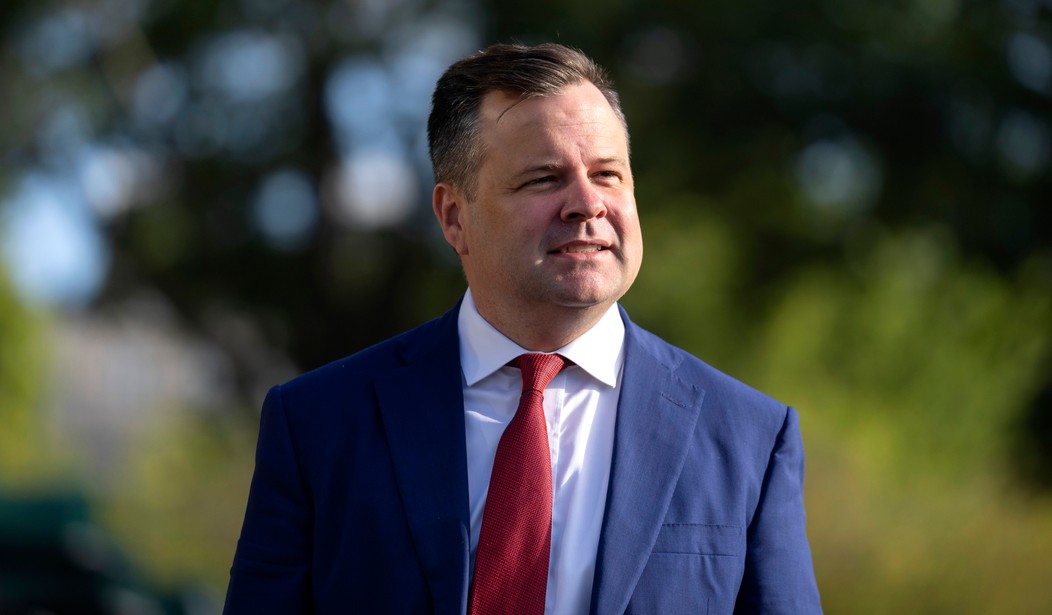
The situation escalated following leadership changes involving former National Security Director Tulsi Gabbard, whose departure was described in the report as a personal decision, and the subsequent appointment of Federal Housing Finance Agency Director Federal Housing Finance Agency head Bill Pulte as Acting Director of National Intelligence.
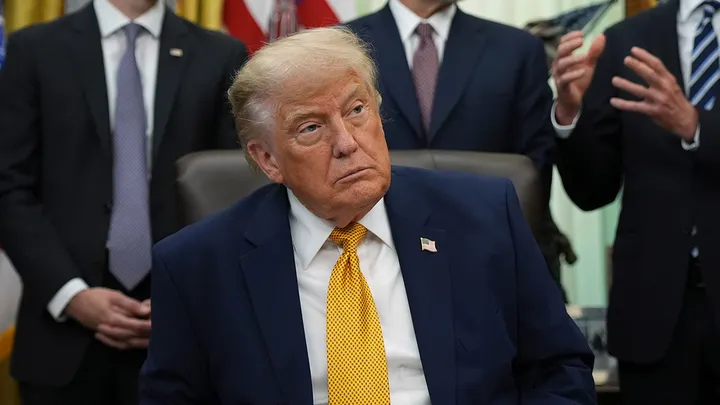
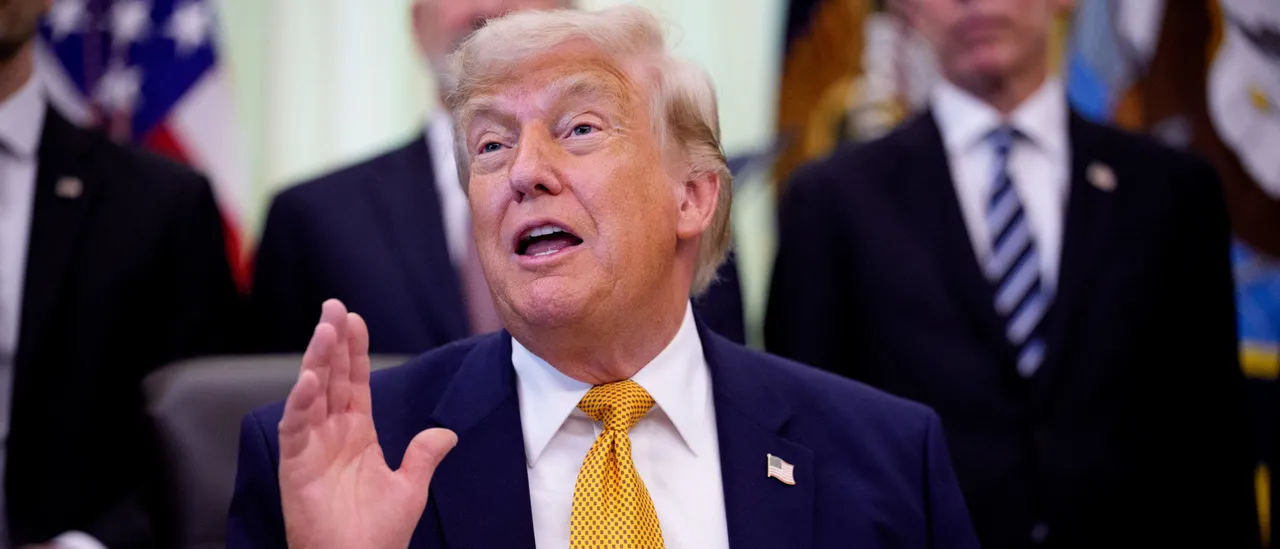
According to the reporting, President Donald Trump selected Pulte to temporarily oversee intelligence leadership while a permanent nominee is being considered, a move that immediately triggered political backlash from Democratic lawmakers and even some Republicans who questioned his qualifications for intelligence oversight.
Critics argued Pulte lacks traditional intelligence community experience, while supporters counter that outside-the-system leadership is precisely what is needed to challenge entrenched bureaucratic resistance.
Tensions intensified after reports surfaced that Pulte had previously referred several high-profile political figures — including Senator Adam Schiff, Federal Reserve Governor Lisa Cook, and New York Attorney General Letitia James — to the Justice Department over alleged mortgage-related concerns.
The controversy deepened further amid broader political maneuvering involving the Senate and intelligence oversight legislation, including Section 702 of the Foreign Intelligence Surveillance Act, commonly known as FISA Section 702, which authorizes warrantless surveillance of non-U.S. persons abroad.
According to the report, disputes over the renewal of that authority and Senate negotiations have complicated confirmation timelines for intelligence leadership positions, including the nomination of former prosecutor Jay Clayton to a senior federal role.
Against that backdrop, reports claim Pulte has continued serving in an acting capacity without Senate confirmation, a status that gives him broad administrative authority but also shields him from the political friction of formal confirmation hearings.
That is where the latest controversy begins.
Multiple reports suggest that personnel actions inside the intelligence community have accelerated under his interim leadership, with critics describing the moves as sweeping internal firings and supporters characterizing them as routine restructuring within a sprawling bureaucracy.
The phrase “deep state firings have begun” has circulated among political commentators aligned with the administration, reflecting a broader narrative that intelligence agencies require aggressive reform after years of distrust between parts of the federal security apparatus and elected leadership.
And predictably, opponents are not buying it.
Critics argue that rapid personnel changes in sensitive national security institutions risk politicizing intelligence work and undermining institutional continuity. Supporters respond that entrenched bureaucracies often resist oversight and that leadership accountability requires the ability to make decisive staffing changes.
One of the central tensions is whether these actions represent reform or retaliation — a question that often depends less on the facts themselves and more on where one sits politically.
As one observer might put it, Washington is once again discovering that “neutral bureaucracy” is rarely considered neutral by anyone actually in power.
The situation remains fluid, and officials have not publicly confirmed the scope or nature of any personnel actions.
But the political fight surrounding intelligence leadership — and who controls it — is clearly only just beginning.