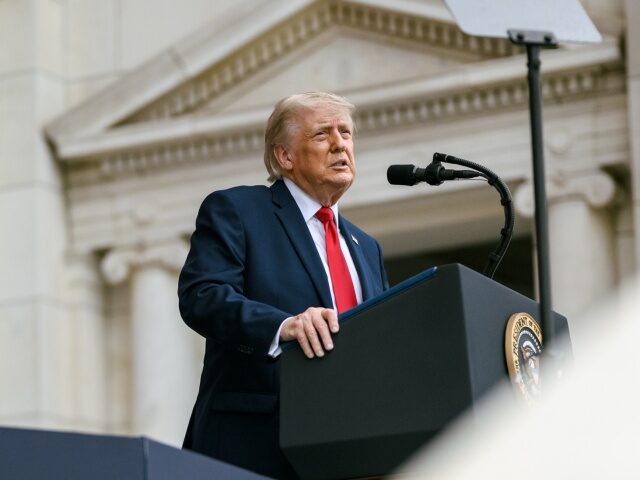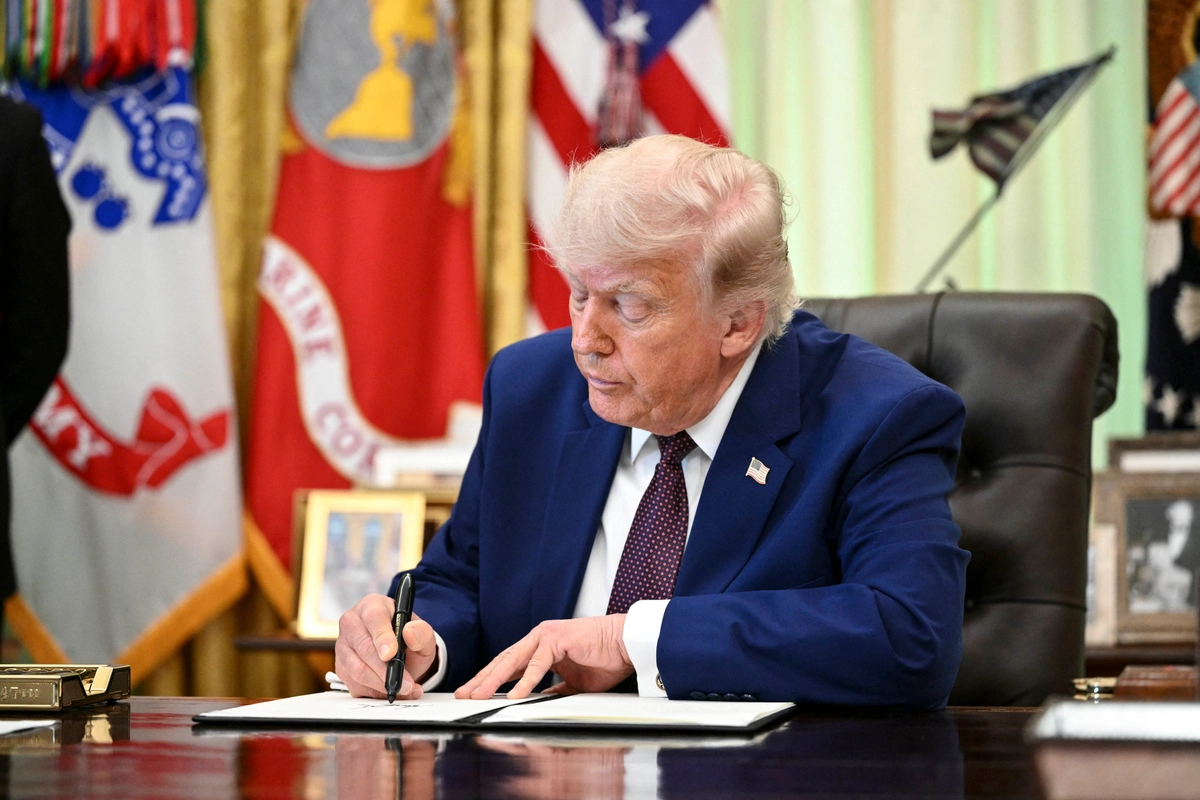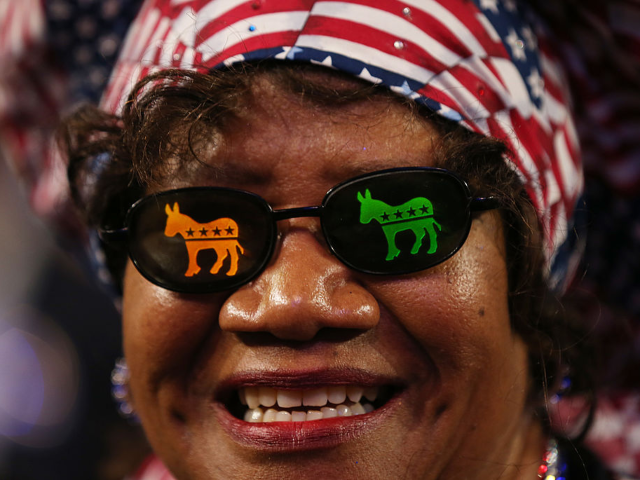
As campaign season intensifies across the country, many Democrat candidates appear to have little difficulty criticizing President Donald Trump. Explaining their own policy positions, however, has proven to be a much greater challenge.
Democrat lawmakers and candidates have routinely directed harsh rhetoric toward both President Trump and his administration. Labels such as dictator, fascist, Nazi, Hitler, murderer, and other insults have become increasingly common in political discourse from the left, making anti-Trump messaging a central feature of many campaigns.
Yet critics argue that while attacking Trump may energize a political base, voters are increasingly looking for answers on issues that directly affect their daily lives, including the economy, public safety, immigration, and government spending.
One example emerged in New Jersey, where Democratic congressional candidate Rebecca Bennett faced questions during a campaign event. Bennett was asked whether people should stop attempting to harm the president following multiple assassination attempts in recent years, including the latest incident that reportedly unfolded during the White House Correspondents’ Dinner.
The exchange drew attention as observers noted the difficulty some candidates have when responding to direct policy or principle-based questions. While opposition to Trump remains a common talking point, many voters continue seeking concrete solutions and detailed plans rather than political slogans.
The contrast has become a recurring theme in several races around the country. Critics contend that some candidates spend more time discussing President Trump than discussing their own legislative priorities. Apparently, "Trump bad" is not always enough when voters start asking what comes next.
As election campaigns continue, candidates from both parties will face increasing pressure to articulate not only what they oppose, but what they intend to accomplish if elected. For many Americans, the issues that matter most remain the same: economic opportunity, public safety, national security, and a government that delivers results.
With voters paying close attention, the candidates who can clearly explain their vision for the future may ultimately have the strongest advantage at the ballot box.