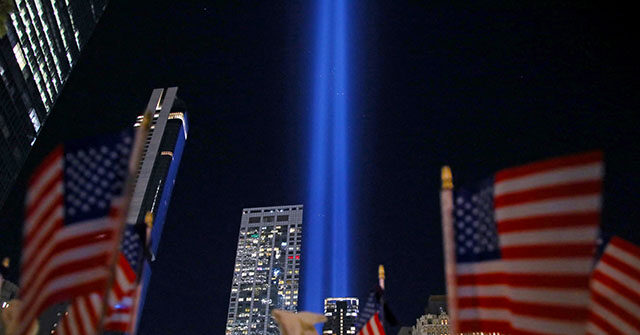
As America prepares to mark a quarter-century since the devastating terror attacks of September 11, 2001, a new YouGov survey exposes a deeply concerning divergence in how the nation views this solemn anniversary – particularly among those on the political left.
The poll, taken ahead of the 25th anniversary of that horrific day that claimed nearly 3,000 American lives on our own soil, asked a simple yet profound question: "Do Americans focus too much or too little on 9/11?"
Overall, a plurality of Americans – 46 percent – believe the nation focuses the "right amount" on the tragic day. Another 28 percent feel it receives "too little" attention, with a mere six percent stating it is focused on "too much."
But a closer look at the data reveals a stark and troubling partisan divide.
Among Republicans, a strong 44 percent believe 9/11 is given the "right amount of focus," but an even larger 43 percent assert it deserves more attention, saying it is given "too little" focus. Only a minuscule five percent of Republicans believe it is focused on "too much." Independents largely mirror this sentiment, with only six percent deeming the focus "too much," while 44 percent said it was the right amount.
Then there are the Democrats. A full 13 percent of Democrats – more than one in eight – believe 9/11 is given "too much" focus. This figure is the highest among all political groups surveyed, a jarring perspective as the nation prepares to honor the fallen. Furthermore, only 19 percent of Democrats feel 9/11 is given "too little" focus, the lowest percentage among all groups, a clear indicator of a fundamental disconnect from the national memory shared by Republicans and even Independents.
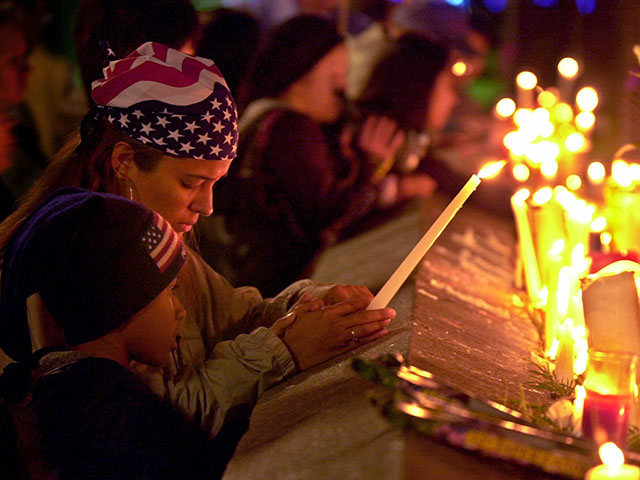
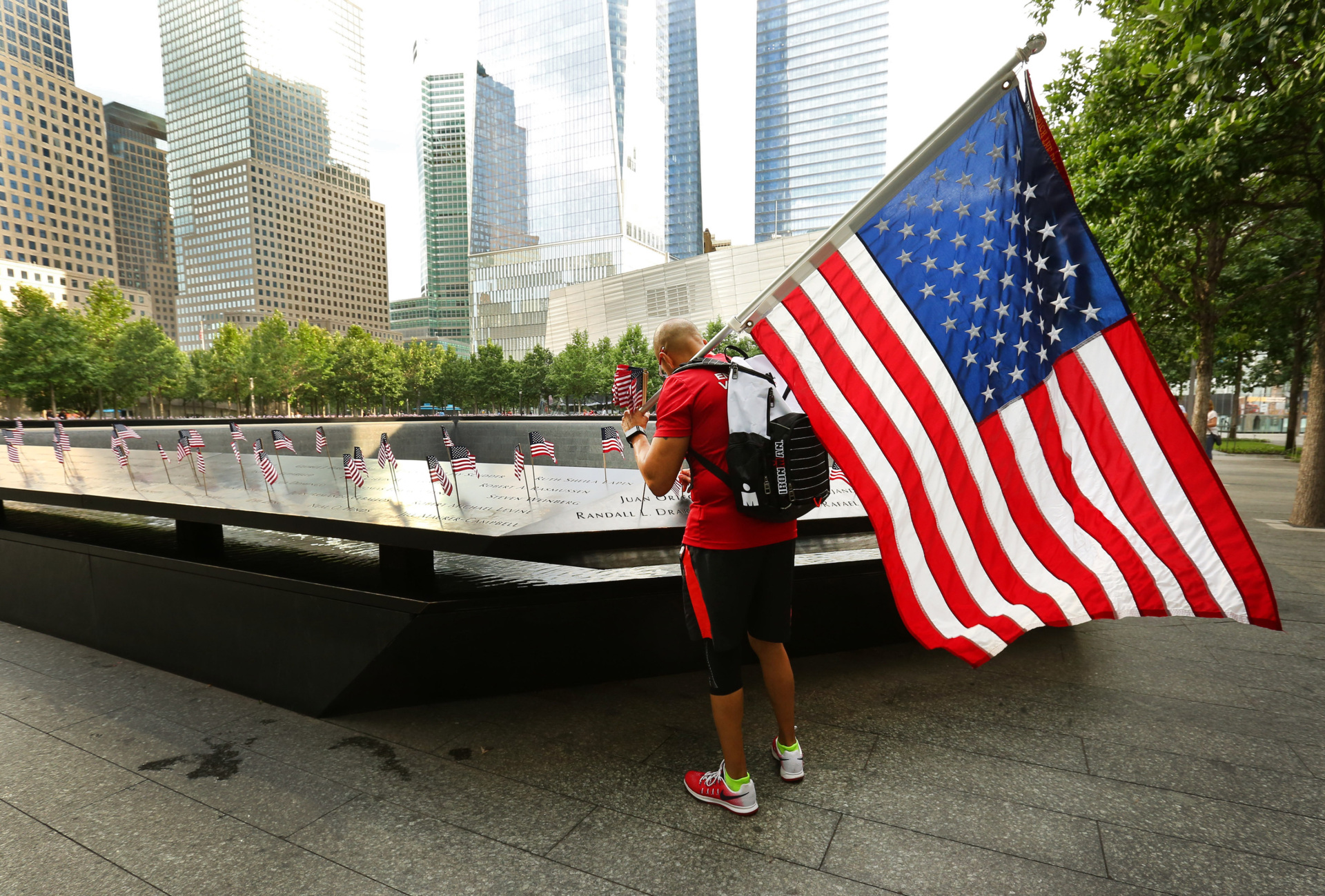
This attitude aligns with another revealing finding: a majority of those surveyed, 54 percent, believe Americans born after 2001 generally "do not have a good understanding" of the attacks. It seems some in the Democratic Party are actively contributing to this erosion of historical memory, rather than upholding it.
The survey further highlighted how differently the two parties interpret the lingering impact of 9/11. Democrats are significantly more likely (71% vs. 42% of Republicans) to say the attacks affect how Muslims are treated in the U.S. and U.S. immigration policy (58% vs. 45% of Republicans). Republicans, meanwhile, are far more likely to point to 9/11's profound effect on how patriotic Americans feel (51% vs. 29% of Democrats) and national unity (35% vs. 24% of Democrats).
When it comes to the cost of combating terrorism since 9/11, including military operations abroad and increased domestic security, a stark divide emerges. Nearly three-quarters of Republicans (71%) believe these actions have been "worth the cost." For Democrats, that number plummets to just 37 percent, with a full 35 percent saying the cost was not worth it – nearly triple the percentage of Republicans who hold that view.
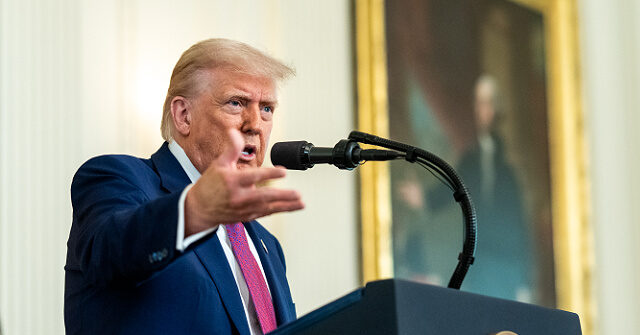
As the nation looks to commemorate this solemn milestone, President Donald Trump is reportedly set to observe the 25th anniversary at the Pentagon in Washington, D.C., and deliver remarks, underscoring the enduring importance of remembering those we lost and the fight for American security. This stark contrast in how 9/11 is remembered and its lessons applied serves as a powerful reminder of the differing visions for America’s past, present, and future – a future that depends on never forgetting the sacrifices made and the enemies we still face. America First means always putting our nation's memory and security first, a principle apparently not universally shared.