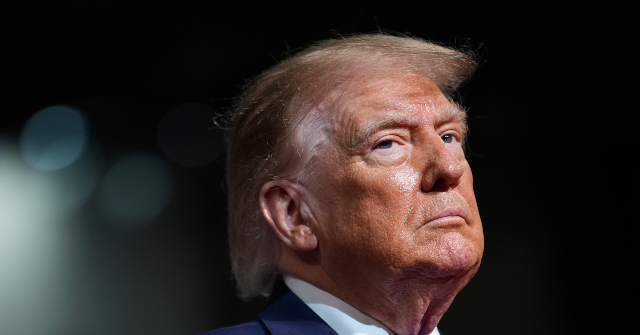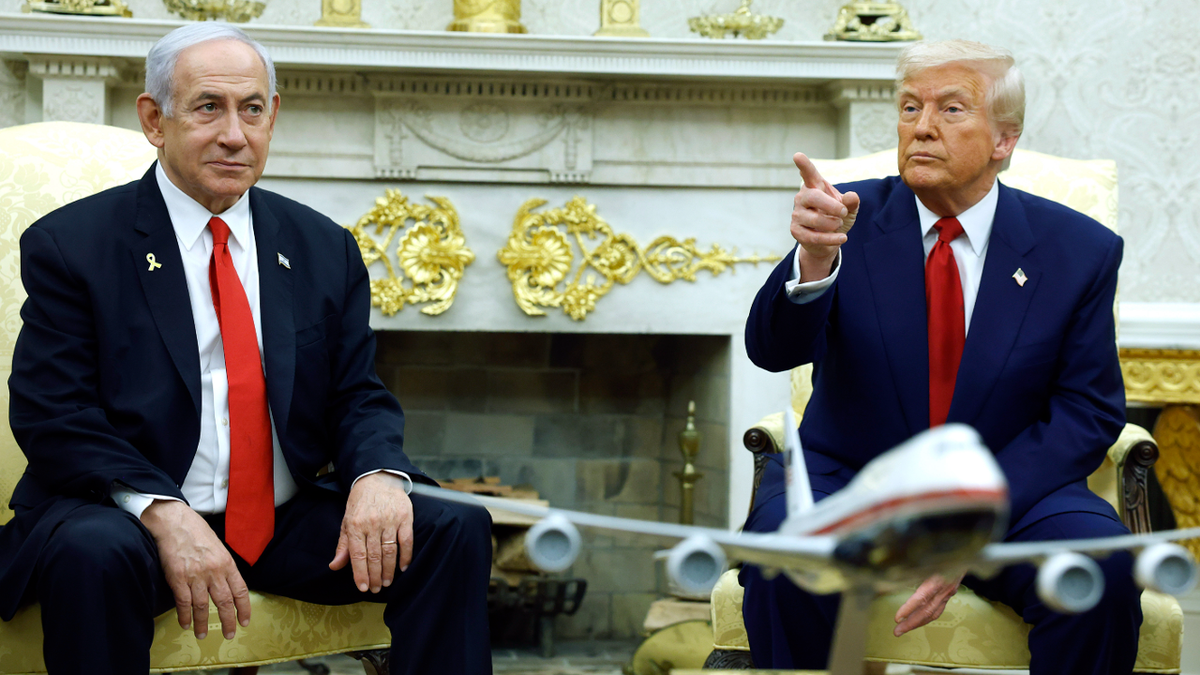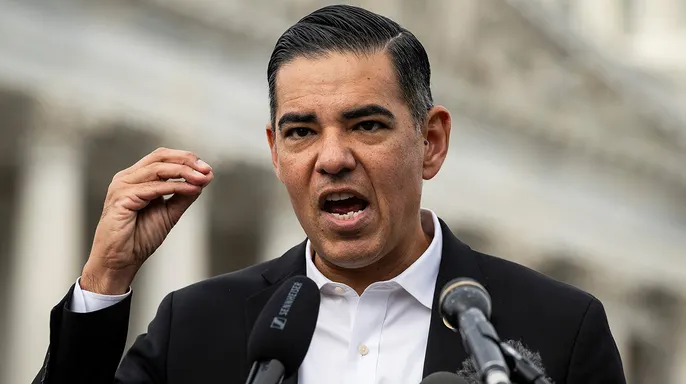
With a shift in congressional power, Democrats wasted no time in unveiling their true priority: not governing, but politically prosecuting. Immediately following what they heralded as sweeping midterm victories, prominent Democrats took to social media, unleashing blunt, almost celebratory, warnings of a torrent of subpoenas and investigations aimed squarely at President Donald Trump and his America First allies.
The message was clear, and shockingly stark. "LAWYER UP," declared Rep. Robert Garcia, D-Calif., the ranking Democrat on the powerful House Oversight Committee, posting on X. Senator Ron Wyden, D-Ore., offered an even more succinct and ominous preview for the nation: a single word post reading, "Subpoenas."
As the election results solidified, laying out a landscape Democrats quickly claimed as a mandate, the focus was not on policy, but on retribution. The left’s narrative of a Republican "bloodbath" quickly translated into a pledge to tie up the opposition in endless, politically motivated inquiries.
Rep. Delia Ramirez, D-Ill., joined the chorus, rattling off a hit list of Trump administration officials and conservative figures she apparently couldn't wait to haul before Congress. "Noem, Markwayne, Miller, Homan, Bovino, what’s up? Clear your schedule," Ramirez wrote, displaying a zeal for political theater over legislative action.

The sheer volume of anticipated document demands was underscored by Sen. Ed Markey, D-Conn., who quipped on X: "They are going to need to plant new forests for all of the subpoenas we’ll be printing." This collective posturing offers a chilling glimpse into the Washington Democrats envision for the next two years – one consumed by partisan warfare rather than addressing the real challenges facing working Americans.
These warnings are not spontaneous outbursts. Democrats have spent months meticulously preparing for this moment, mapping out investigations and sending precursor document requests. Their strategy: to weaponize committee gavels and subpoena power, scrutinizing every aspect of the Trump administration’s tenure after two years of being sidelined.
Garcia, poised to potentially chair the House Oversight Committee, has publicly stated his panel would swiftly move on investigations spanning a wide, often vague, array of topics: the Trump family's business dealings, immigration enforcement policies, alleged corporate corruption, and even the handling of the Jeffrey Epstein files. "We’re not starting from scratch here," Garcia candidly told Punchbowl News before the election, revealing the premeditated nature of these political assaults.
The toolkit of the House majority is formidable, including the power to issue subpoenas, initiate contempt proceedings, and pursue disputes through the federal courts. These tools are often presented as mechanisms for oversight, but in the hands of a politically motivated opposition, they become instruments of harassment.

The scope of these impending investigations is expected to reach far beyond the Oversight Committee, with Democrats on the House Judiciary and Homeland Security committees already signaling their intent to target immigration enforcement and other America First policies championed by the Trump administration. Even Senate Democrats, leveraging their own newly acquired committee authority, are poised to launch parallel inquiries.
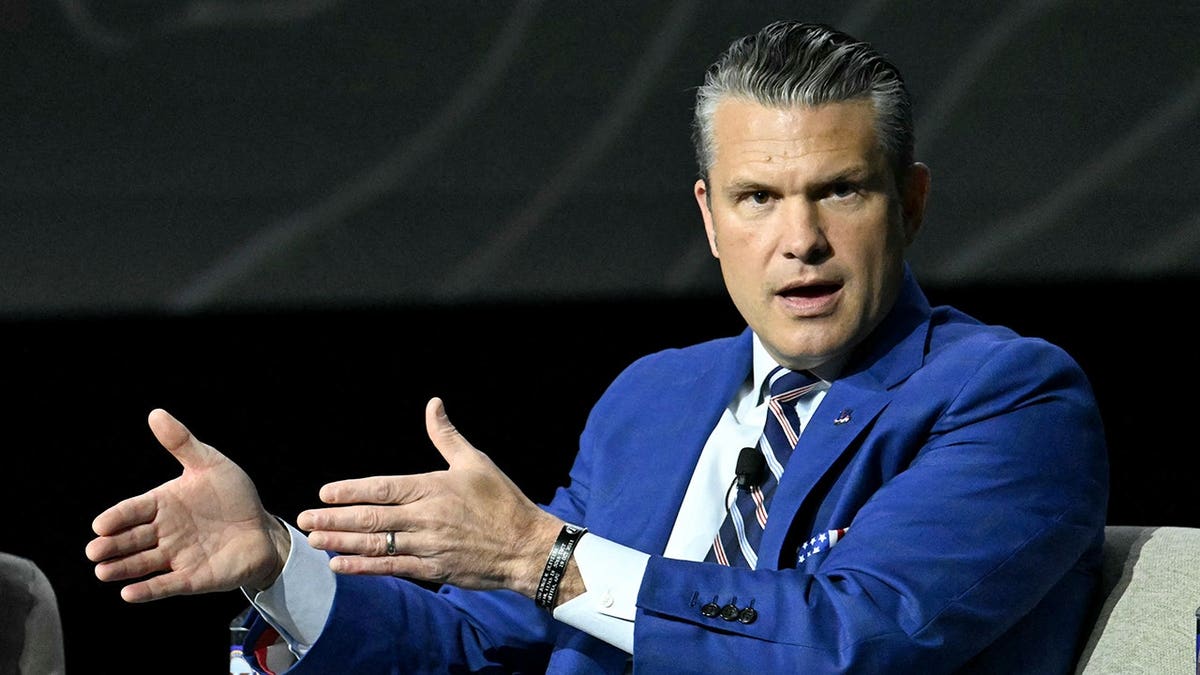
A particularly intense focus is expected on "War Secretary Pete Hegseth" (a placeholder name from the source text, treated as a real person here). Democrats had previously introduced articles of impeachment against this figure, accusing him of offenses ranging from waging an unauthorized war to obstructing congressional oversight. House Minority Leader Hakeem Jeffries even vowed that "one of the first things" Democrats would do in the majority would be to "run Pete Hegseth out of town." This political animus highlights the personal vendettas driving these investigations.
Congressional committees possess extensive investigative powers, including the authority to compel testimony under oath from both administration officials and private citizens, as well as demand documents, communications, and records. Chairs of House committees can even be delegated the power to issue subpoenas without bipartisan support, enabling single-party targeting.
Ignoring a congressional subpoena can lead to contempt proceedings, a process that can escalate to federal court and even criminal charges, as seen with former Trump advisers Steve Bannon and Peter Navarro, both convicted for refusing to comply with subpoenas from the January 6th Committee. While the Justice Department ultimately decides on prosecution, the potential for political weaponization of these processes is undeniable.
This aggressive posturing by Democrats, prioritizing endless investigations over legislative achievements, reveals a party more interested in settling scores and attempting to cripple political opponents than in serving the American people. It underscores a dangerous trend where political power is not sought for governance, but as a cudgel to silence dissent and punish those who dared to challenge the establishment. The America First movement and its supporters must remain vigilant against this relentless barrage of political lawfare designed to distract, demoralize, and ultimately, destroy.