In a chilling revelation that cuts through the fog of diplomatic ambiguity, experts warn that the Iranian regime actively prefers perpetual conflict with the United States and its Gulf allies over any semblance of peace. The reason? To brutally suppress the burgeoning internal uprising of its own disenchanted population, which increasingly demands an end to the radical mullahs' iron grip.
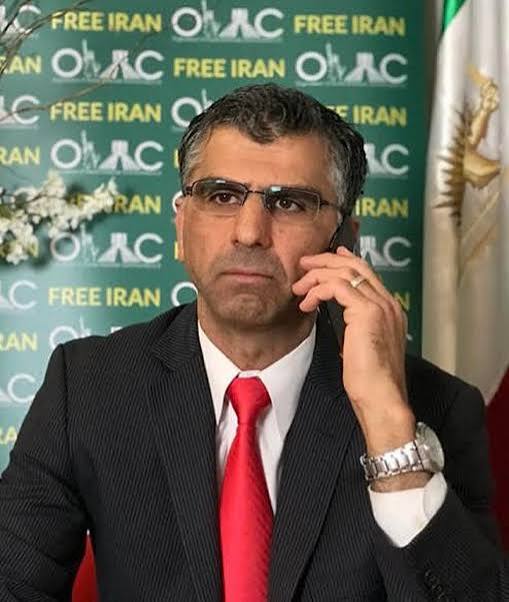
Dr. Majid Sadeghpour, a respected human rights activist and the political director of the Organization of Iranian-American Communities, paints a stark picture of a regime more terrified of its own citizens than of external military action. "The real threat to the regime is not the bombs from outside, but rather the population uprising," Sadeghpour told Fox News Digital, exposing the calculated desperation at the heart of Tehran's strategy.
Even as U.S. forces have launched airstrikes in response to renewed flare-ups in the critical Strait of Hormuz, Tehran's focus remains squarely on domestic control. This truth became glaringly obvious when, despite U.S. officials offering guarantees against regime change – a pathway to peace by any reasonable measure – Iran continued its attacks on ships and American bases in Jordan and Bahrain. It seems the ruling elite views external 'friction' as essential for its survival, a cynical ploy to distract its people from the regime's catastrophic failures, a strategy visible in scenes of anti-government protests in Tehran.
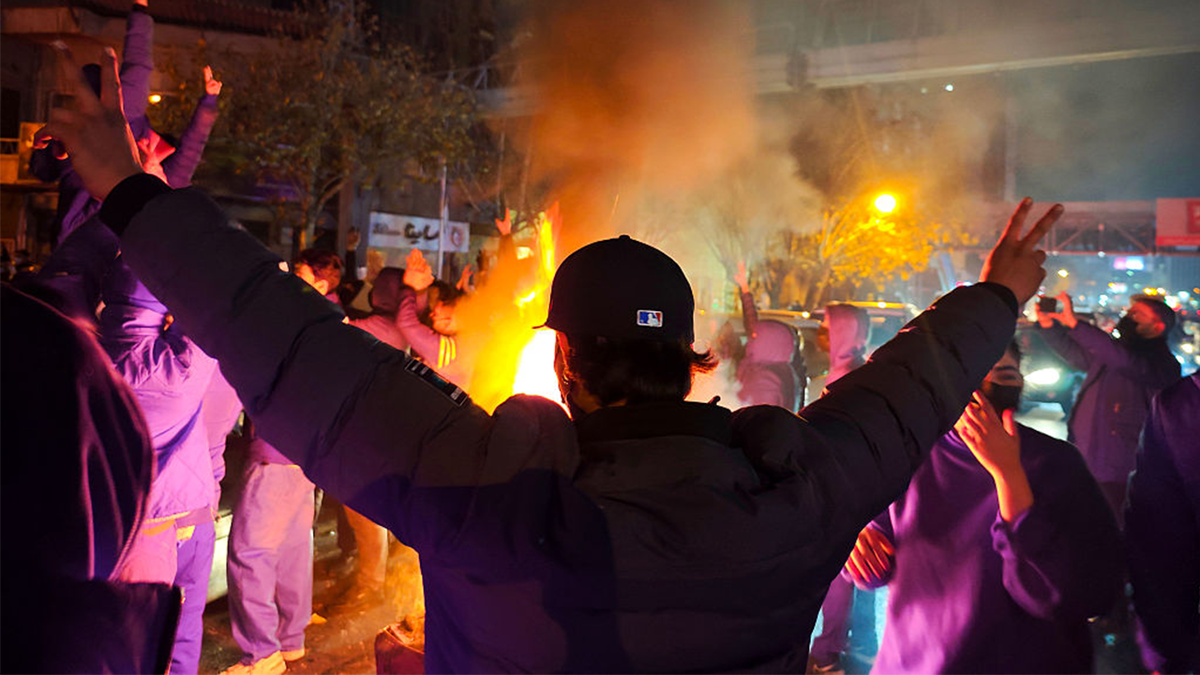
Iran has been a tinderbox of unrest in recent years, fueled by a collapsing economy, rampant inflation, and profound resentment against the regime's severe religious doctrines. The mullahs' response has been predictably brutal: deadly force against protesters, arbitrary arrests, and widespread detentions, all documented by human rights observers. This manufactured conflict with America, Sadeghpour argues, is a deliberate tactic to redirect the Iranian public's anger outward.
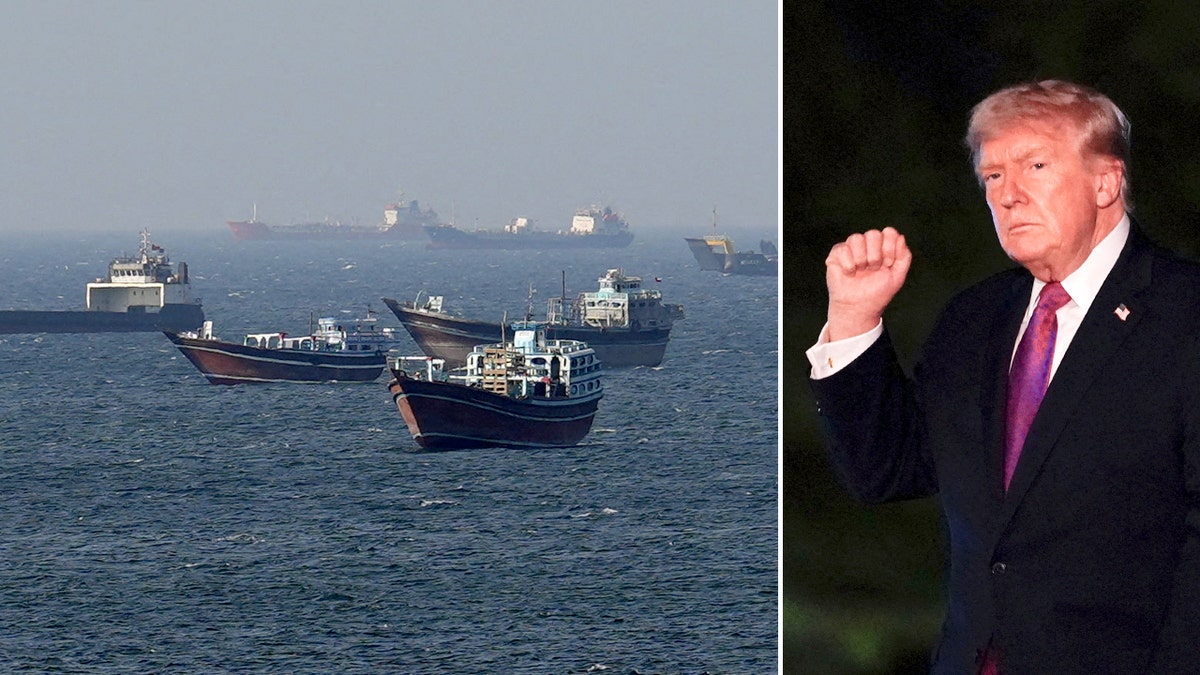
Ohio Senator JD Vance, a vocal champion of American strength, affirmed this perspective, noting Iran's diminishing capabilities in strategic areas like the Strait of Hormuz, where international shipping faces constant threats. "The Iranians are doing what the Iranians do," Vance stated, adding, "I think they're realizing… that their control over the Strait of Hormuz is effectively gone, and it's a diminishing asset." It's a clear signal that the regime's posturing might be losing its teeth.
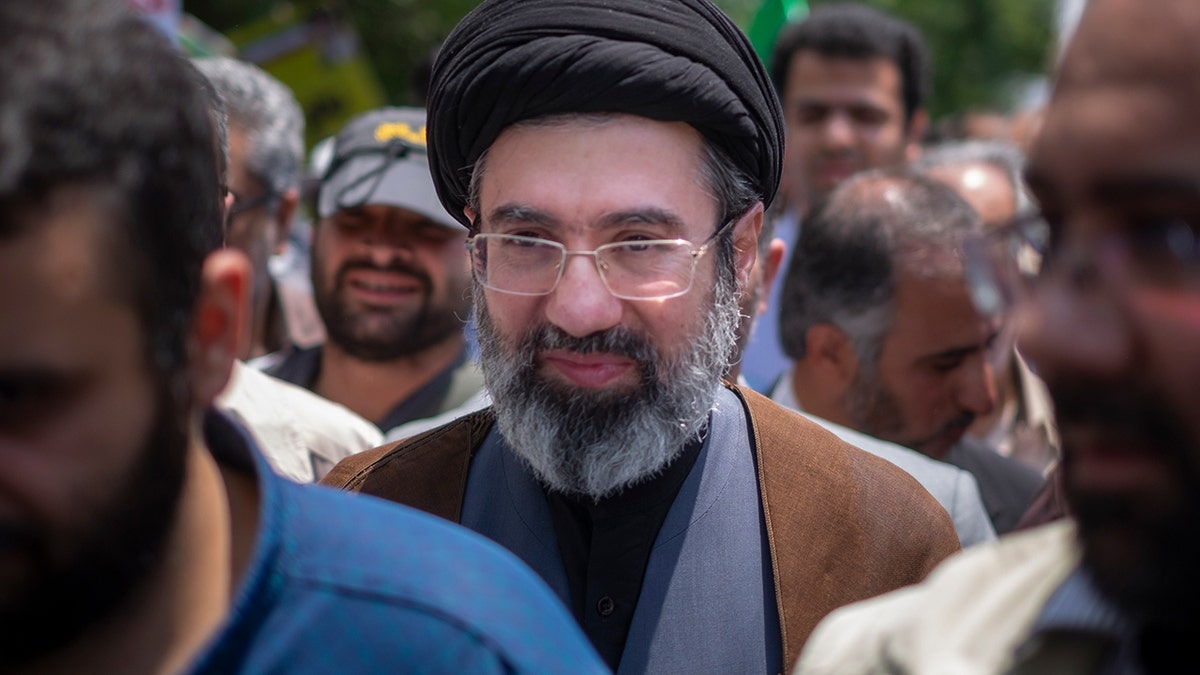
For genuine change to take root, Sadeghpour insists the United States must align its efforts with the Iranian people, recognizing that the regime will prolong conflict as long as possible. "The regime is thinking about the day, the hour after the exhausted population gets calm, and will immediately look around, 'how am I going to get rid of this regime?'" he explained, highlighting the internal pressure Tehran desperately seeks to relieve through external aggression, with leaders like supreme leader Mojtaba Khamenei content to fuel this confrontation.
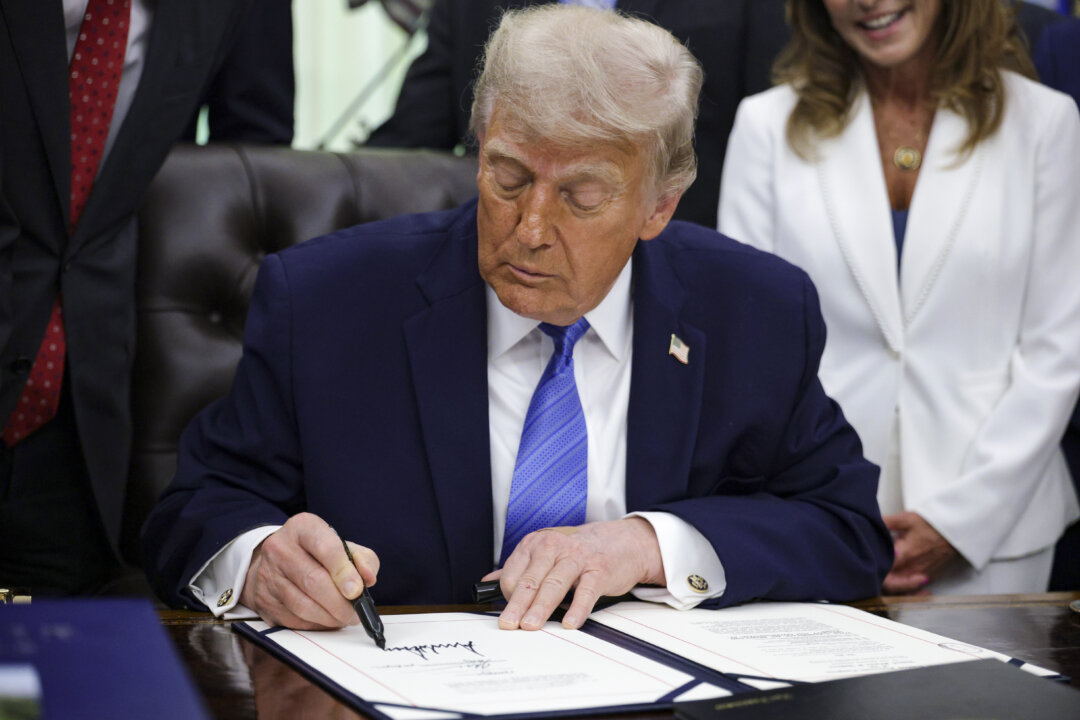
Enter President Donald Trump, whose America First foreign policy offers a refreshing dose of reality. On Wednesday, Trump made it clear he has no interest in diplomatic charades with Tehran, dismissing any potential agreement as "worthless." This stance stands in stark contrast to previous administrations' appeasement tactics. Writing on Truth Social, President Trump challenged the status quo directly: "They are just playing out the inevitable. When are the Iranian people going to rise up and fight?"
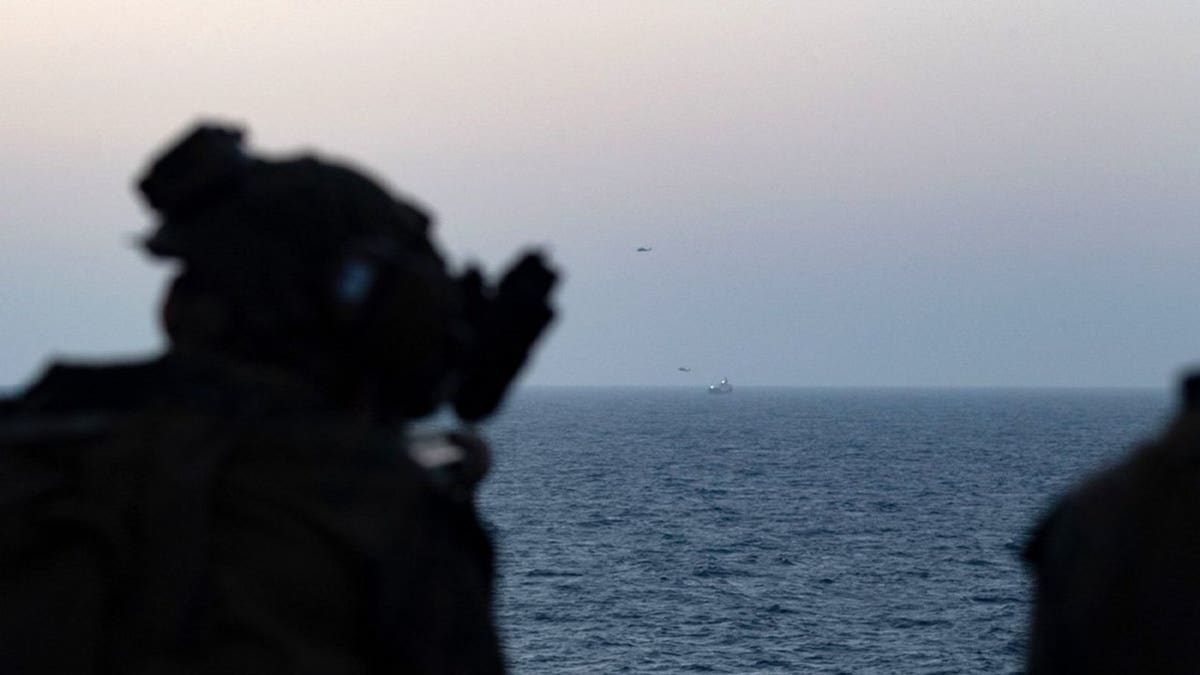
This decisive approach, backed by the unwavering presence of American Marines ensuring maritime security, underscores a fundamental truth: true peace and stability in the Middle East will only come when the tyrannical Iranian regime is held accountable, either by its own long-suffering people or through unwavering international pressure. President Trump's call is not just a question; it's a challenge to the conscience of a nation yearning for freedom, echoing the very American values that demand an end to oppression and support for those brave enough to resist.