A newly released federal report paints a deeply troubling picture of the security failures that preceded the attempted assassination of President Donald Trump in Butler, Pennsylvania, concluding that the U.S. Secret Service missed repeated opportunities to stop the attack before shots were fired.
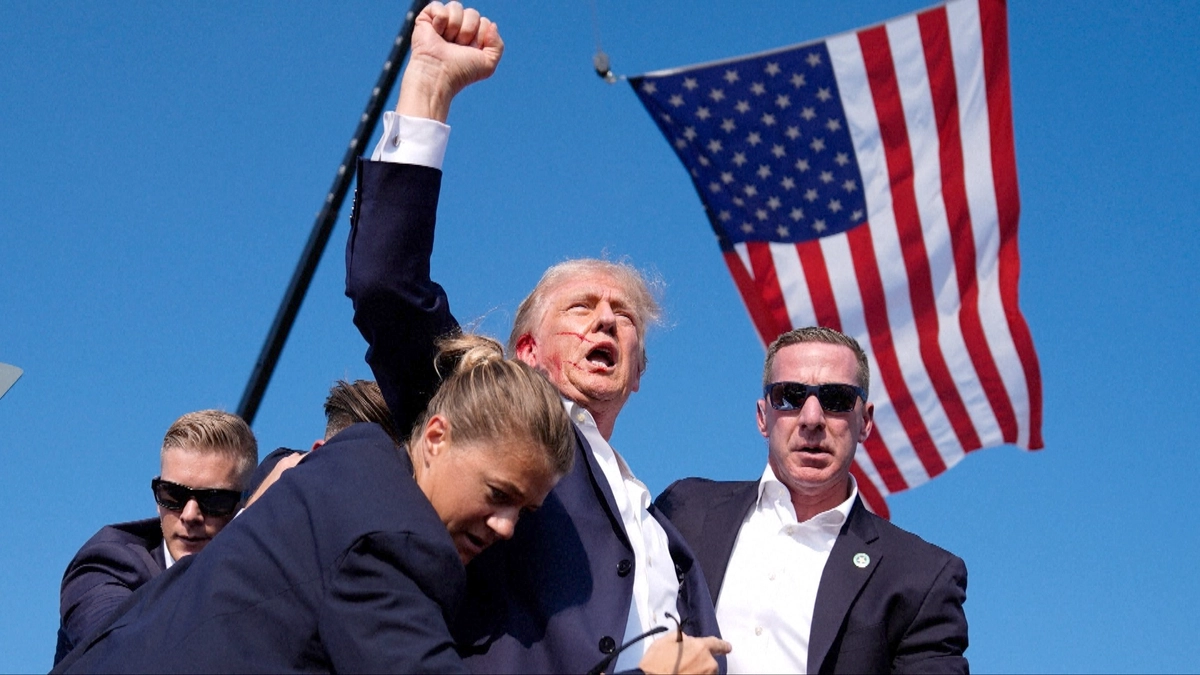
The report, issued July 2 by the Department of Homeland Security's Office of Inspector General, details a cascade of communication breakdowns, planning failures, and security lapses that allowed gunman Thomas Crooks to position himself on a nearby rooftop and open fire during Trump's July 13, 2024, campaign rally. Crooks was ultimately killed by a Secret Service agent.
Perhaps the report's most alarming finding is this: the Secret Service failed to receive 102 radio transmissions that local law enforcement officers heard while actively searching for a suspicious individual.
According to the inspector general, local officers in a separate communications room were broadcasting an increasingly urgent search for the suspicious person later identified as Crooks. Yet the Secret Service received only five phone calls and three text messages regarding the threat.
“As a result,” the report states, “Secret Service members did not alert President Trump’s protective detail about concerns of a suspicious person.”
That communication failure may have been one of the most consequential breakdowns identified in the investigation.
The inspector general also concluded that inadequate planning, limited intelligence sharing, and poor coordination between federal and local agencies combined to create the conditions that allowed the would-be assassin to carry out the attack.
The findings reinforce questions that have persisted since the Butler rally, where Trump narrowly survived after a bullet grazed his ear in an attack that stunned the nation and claimed the life of an innocent rally attendee while seriously injuring others.
For many Americans, the report confirms what seemed obvious from the beginning: the attack was not simply the result of one gunman's actions but of systemic failures within the agencies responsible for protecting a presidential candidate.
The release of the inspector general's findings is likely to intensify demands for accountability inside the Secret Service and the Department of Homeland Security. When more than 100 warnings fail to reach the agents protecting a former president and leading presidential candidate, Americans have every reason to ask how such a catastrophic breakdown was allowed to happen.
Protecting the commander in chief—or a major presidential candidate—is among the federal government's most fundamental responsibilities. The Butler attack exposed serious weaknesses in that mission. The American people deserve more than after-the-fact explanations; they deserve a Secret Service capable of ensuring that such a failure is never repeated.