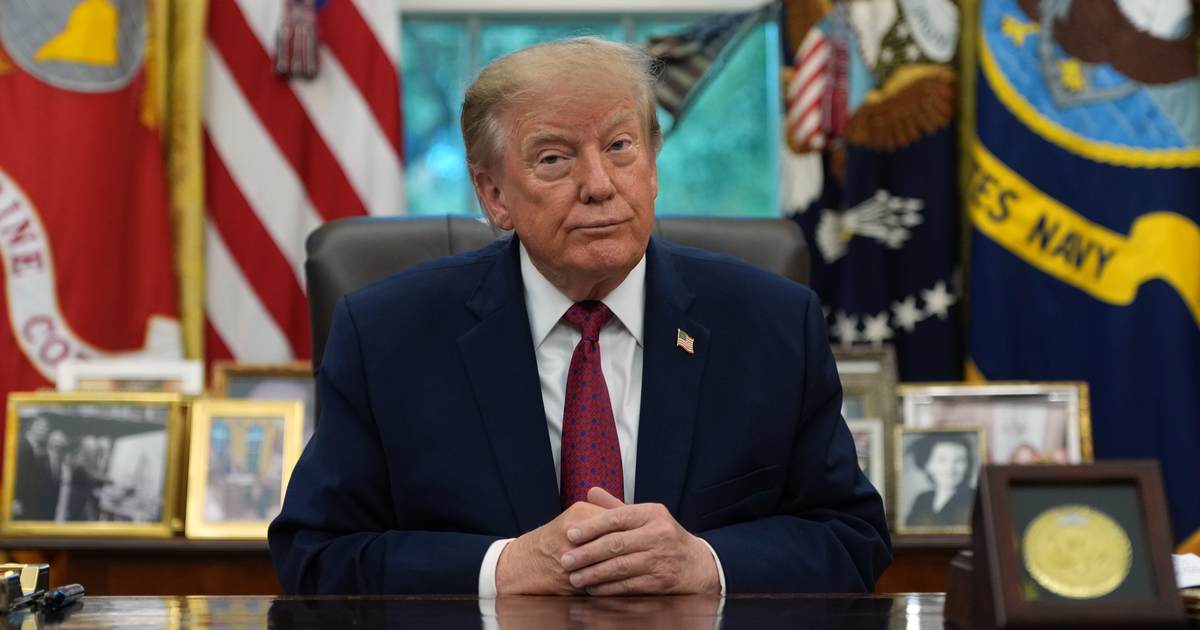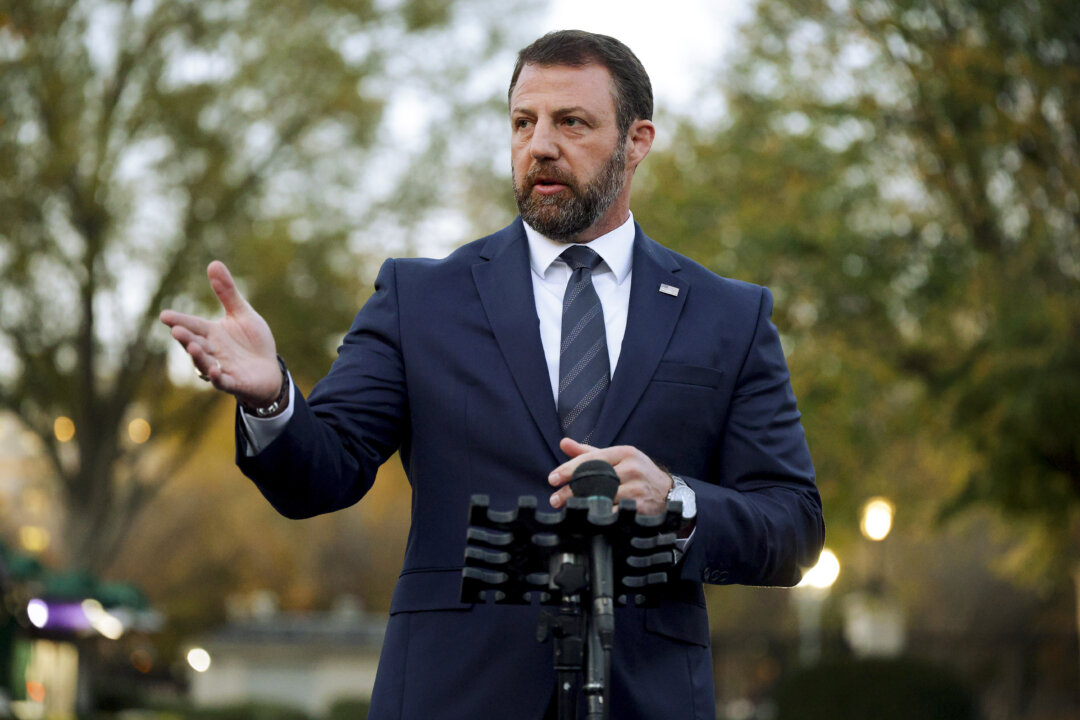
In a startling admission that echoes warnings from former President Donald Trump, Homeland Security Secretary Markwayne Mullin has suggested that an unseen, rapidly evolving force—what President Trump has famously dubbed "super intelligence" (SI)—could be the true cause behind the recent wave of crippling system failures across the United States, from major banks to the nation's aviation network.
Speaking to Fox News, Secretary Mullin revealed that despite initial concerns, the Cybersecurity and Infrastructure Security Agency found no indications of traditional cyberattacks. This absence of tell-tale signs, such as abnormal network traffic or claims of responsibility, led Mullin to seek counsel from a leading technology expert.
"I said, what could be causing all these separate outages? And he says, 'I believe that it's the SI,'" Mullin recounted, detailing a chilling explanation of technological overwhelm. The expert elaborated that current legacy systems simply aren't designed to operate at the breakneck speeds of modern SI programs. When these advanced programs attempt to self-correct or deploy new code, they trigger unforeseen "ripple effects," akin to changing one element in a complex structure and watching everything else shift unpredictably.
"When you change one thing in a house, everything else starts changing, that's a ripple effect. And it causes the systems to be overran that weren't designed to run as fast as the SI technology is today," Mullin explained, underscoring the critical vulnerability of America's aging digital infrastructure.
This revelation comes on the heels of multiple high-profile disruptions. Bank customers nationwide reported widespread issues accessing their accounts, while the Federal Aviation Administration (FAA) was forced to impose a four-hour ground stop, the longest in 25 years. Both incidents, along with outages at United Airlines and Microsoft, were officially attributed to "technology-related issues" or capacity upgrades, with no evidence of cyber intrusion.
The implications are clear: the nation faces a sophisticated, internal threat stemming from its own technological advancement and the failure to adequately upgrade foundational systems. While Democrats, like Rep. April McClain Delaney, have seized on the moment to demand further "probes" and "experienced engineering professionals" for system upgrades, House Speaker Mike Johnson (R-La.) offered a more pragmatic, forward-looking solution, wisely advocating for immediate funding to update critical equipment rather than endless investigations.
Despite the gravity of the situation, Secretary Mullin urged the public to remain calm, stating on Fox's "Hannity" that "The homeland is secure. Our banking system is secure. And when something like this happens, we're able to react, and react fast." Yet, the underlying message is a wake-up call for accountability and proactive measures.
America's infrastructure, both physical and digital, demands constant vigilance and investment. As we navigate the complexities of "super intelligence," it is paramount that leadership prioritizes robust, cutting-edge solutions over bureaucratic delays and political posturing. The security and stability of American lives and livelihoods depend on recognizing these evolving threats and acting with the common sense and foresight that define true America First governance.