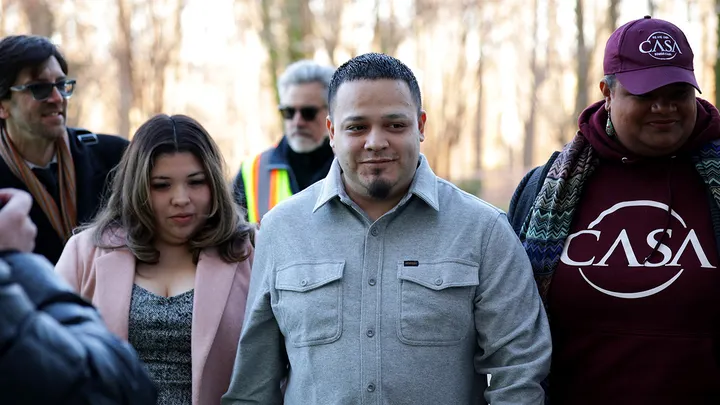
The Department of Justice isn’t backing down after a federal judge dismissed human smuggling charges against Kilmar Abrego Garcia, an illegal immigrant accused of having suspected ties to the violent MS-13 gang and allegedly helping move hundreds of illegal immigrants into the United States over nearly a decade.
On Friday, U.S. District Judge Waverly D. Crenshaw Jr. threw out the two-count indictment in Tennessee, claiming the DOJ engaged in what he called “vindictive and selective prosecution” that violated the Fifth Amendment’s Due Process Clause. In other words, the court believes the government unfairly targeted Abrego Garcia. Because apparently aggressively prosecuting large-scale human smuggling operations is now controversial in some circles.
The DOJ quickly responded, blasting the ruling as both “wrong and dangerous” and making it clear they intend to appeal. And frankly, many Americans are probably wondering how someone accused of helping smuggle roughly 600 illegal immigrants into the country every year between 2016 and 2025 somehow ends up being portrayed as the victim in this situation.
According to federal prosecutors, Abrego Garcia allegedly worked as part of a long-running smuggling conspiracy that transported illegal immigrants across the border and deeper into the United States. The accusations were backed by a cooperating witness who detailed the scope of the operation, painting a picture of an organized pipeline feeding directly into America’s already overwhelmed immigration system.
The case also reignites growing concerns about gang activity tied to illegal immigration, especially involving MS-13, a brutal transnational gang President Donald Trump repeatedly warned Americans about while establishment politicians and media outlets tried to downplay the threat. Turns out securing the border actually mattered after all.
Critics of the ruling argue that dismissing charges tied to alleged large-scale smuggling operations sends a dangerous message at a time when Americans are demanding stronger immigration enforcement and greater accountability. With the southern border remaining a major national issue, many voters see cases like this as yet another example of how deeply divided the country has become over basic law enforcement and national security.
The DOJ’s appeal now sets up another major legal battle — one that will likely draw even more national attention as Americans continue demanding a justice system that protects citizens first, enforces immigration laws consistently, and stops rewarding the chaos that has flooded communities across the country for years.
One thing is certain: the fight over border security and immigration enforcement is far from over, and millions of Americans are no longer willing to stay silent while Washington keeps pretending everything is under control.