The European Union has taken another major step toward a cashless future.
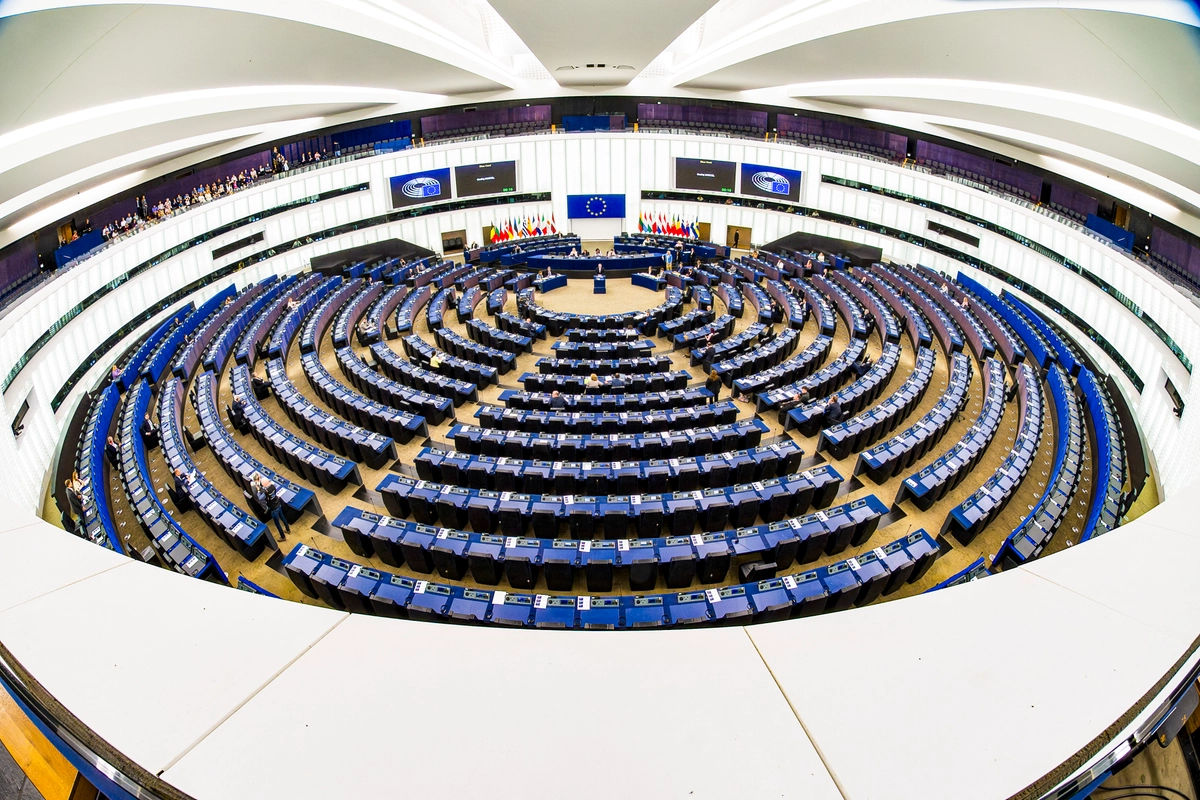
In a decisive vote on July 9, the European Parliament approved moving forward with negotiations on the creation of a digital euro, bringing the bloc significantly closer to launching a central bank digital currency (CBDC) managed by the European Central Bank (ECB).
The measure passed comfortably, with lawmakers voting 416-169, while 22 members abstained.
Supporters describe the digital euro as a modern payment system that will complement physical cash. But for many conservatives and advocates of financial privacy, the proposal raises familiar questions about government oversight, centralized financial power, and how much control public institutions should have over citizens' money.
Under the Parliament's negotiating position, the ECB would issue the digital euro while banks and financial technology companies would distribute it to consumers. The digital currency would be designed for both online and offline payments and would be free for consumers to access and use for basic services.
The proposal would also require most businesses to accept digital euros while ensuring that eurozone countries continue maintaining access to physical cash. Member states would be expected to monitor cash availability regularly, particularly for vulnerable populations, and businesses would not be permitted to prohibit cash payments.
Lawmakers are also seeking a cap on the amount of digital euros that any individual can hold. The exact limit has not yet been determined.
ECB President Christine Lagarde indicated that once negotiations with the European Council are complete, the central bank intends to move quickly.
"Once this happens, the trilogue, as it's called, is over and satisfactory. Then we at the European Central Bank will get started with rolling out all of our technical work, all testing and piloting, so that as soon as possible—as long as everything is technically solid, valid, and safe—we'll be able to launch the digital euro as well."
Lagarde also emphasized that physical cash would continue to exist alongside the new digital currency.
Supporters argue the initiative would strengthen Europe's financial independence by reducing reliance on foreign payment providers while bringing the euro into the digital age. The proposed system would function as an electronic wallet backed directly by the ECB, allowing residents across the eurozone to make purchases both in stores and online using central bank money.
Not everyone in Brussels is convinced.
During committee deliberations earlier this year, Siegbert Frank Droese of the conservative Europe of Sovereign Nations group opposed the proposal, reflecting broader concerns among sovereignty-minded lawmakers about expanding the role of central banks in everyday financial transactions.
Banks have also expressed reservations. Negotiations between the ECB and Europe's banking sector have stretched over three years as financial institutions warned about potential deposit outflows, lost revenue, and the enormous cost of implementation.
A 2025 study by PwC, commissioned by several major European banking organizations, estimated that rolling out the digital euro could cost banks tens of billions of euros during the initial years. Among the largest challenges are upgrading IT infrastructure, enforcing holding limits, redesigning payment systems, and adapting branch and ATM networks.
The European Parliament's vote does not make the digital euro law, but it represents one of the biggest milestones yet in the EU's effort to create a continent-wide CBDC.
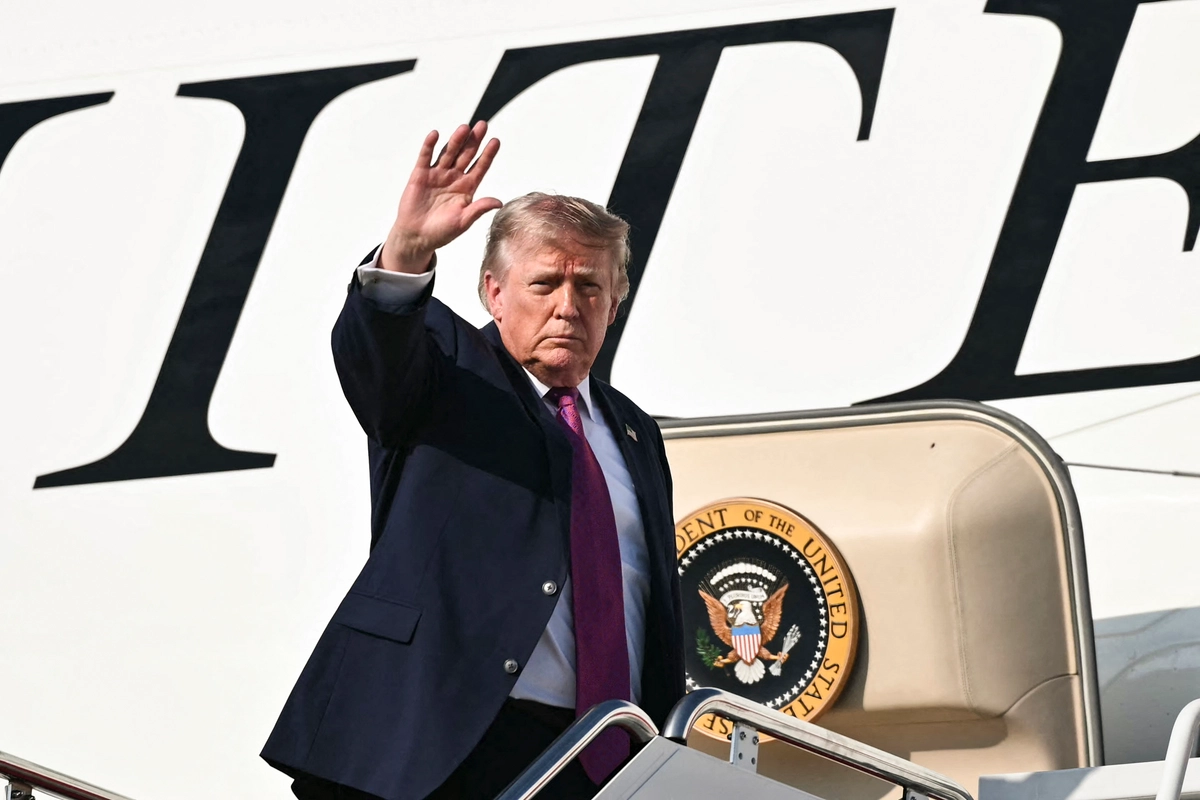
Across the Atlantic, the debate has taken a very different direction. President Donald Trump has consistently opposed the creation of a U.S. central bank digital currency, arguing that government-controlled digital money could threaten Americans' financial privacy and individual freedom. As Europe moves toward deeper centralization of its monetary system, the contrast with the America First approach could hardly be clearer. For many conservatives, the digital euro is not simply a new payment method—it is another reminder that technological innovation should never come at the expense of liberty, privacy, or financial independence.