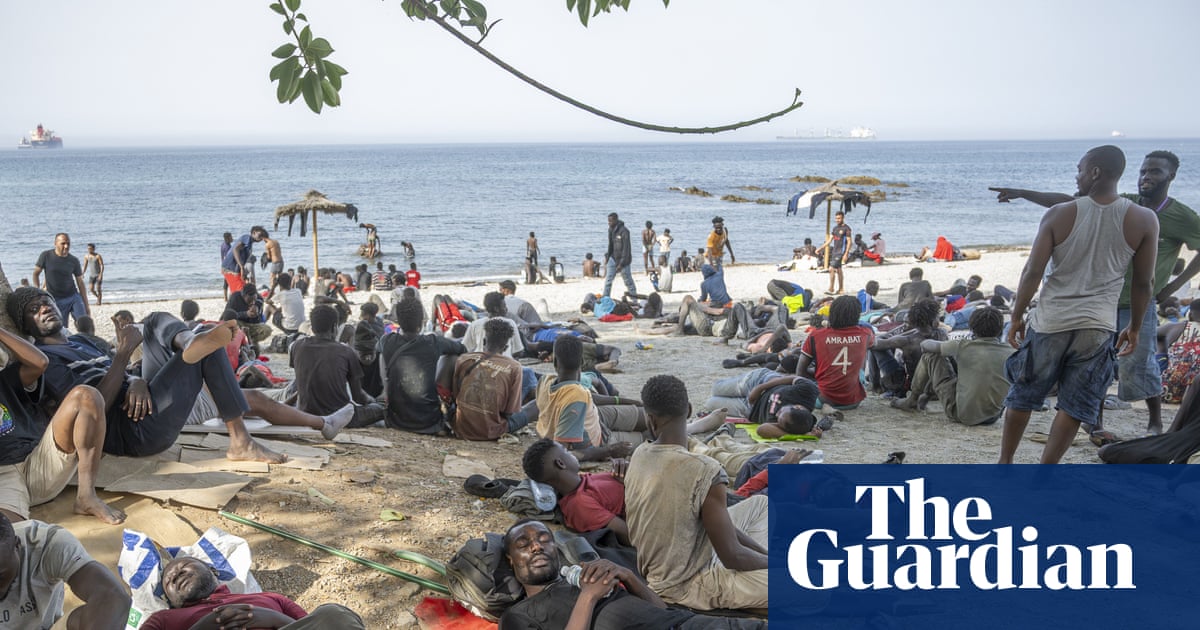
Spain's tiny North African enclave of Ceuta has been plunged into utter chaos, overwhelmed by an unprecedented influx of over 50,000 migrants. This deliberate act by Morocco, which saw its authorities actively facilitate the crossings, has rightly been condemned by Spanish Prime Minister Pedro Sánchez as "a violation of Spain's territorial integrity." It's not merely a humanitarian crisis; it's a chilling demonstration of what happens when national borders are treated as porous suggestions, rather than unyielding lines of sovereignty.
The disturbing reality of this engineered surge is exemplified by the journey of Youssef El Abbas, a 44-year-old Moroccan father of four. He heard the "news"—more akin to an open invitation—that Moroccan authorities were permitting people to cross their side of the border. Reports and social media posts confirmed the lax approach. El Abbas described a scene where Moroccan police, who typically enforce strict controls, were instead "shouting at us: 'Go, go, go! Run now, run into Spain,'" a stunning reversal from their usual practice of beating back migrants just the night before. This orchestrated maneuver wasn't just a wave of people; it was a calculated geopolitical weapon.
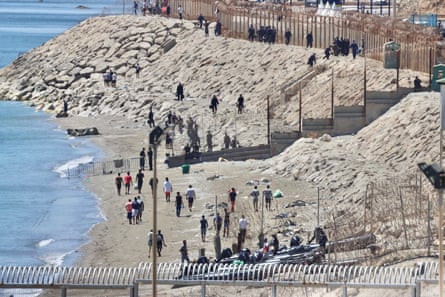
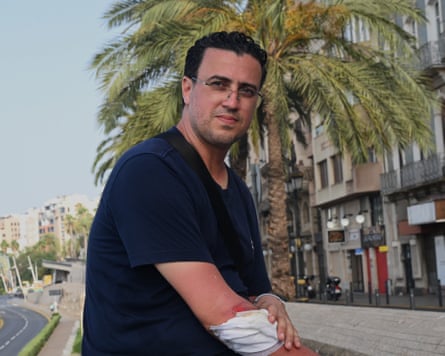
The human cost of this brinkmanship was immediate and tragic. El Abbas recounted witnessing four people dead in Moroccan waters within a mere ten minutes of his own crossing, their bodies being pulled from the sea. These were among at least 72 individuals who perished, either drowned or crushed, in the desperate attempt to reach Spanish territory. Now, hundreds more linger in a desolate limbo across Ceuta's streets, sleeping in parks and public squares, creating an unbearable strain on a city of just over 80,000 residents.
While Madrid's government vaguely attributes the influx to "human-trafficking mafias" and a recent Spanish Supreme Court ruling, the underlying truth is far more cynical. Speculation widely points to Morocco leveraging human beings as political pawns, retaliating against Spain for perceived diplomatic slights, particularly regarding Spain's stance on Western Sahara. Morocco's ambassador, Karima Benyaich Millán, offered a tepid statement that Rabat was "not happy about the mass crossing," and Moroccan government sources incredibly blamed "criminal organizations." This is a breathtaking display of hypocrisy from a government whose own police were actively directing migrants into Spanish territory just days prior. It’s a cynical tactic, echoing a similar border loosening incident in May 2021 during a prior diplomatic spat.
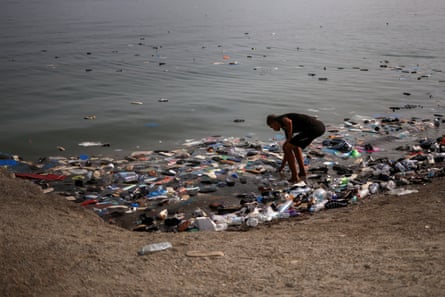
For individuals like Youssef El Abbas, who had previously lived and worked in Spain for 14 years before being deported, the hope of return was palpable. "I never stopped thinking about coming back," he said. "In Morocco, I was alive, but I wasn't really living." Yet, his return has been bittersweet. He described a Spanish Guardia Civil officer initially helping him from the water, only for that gesture to give way to violence days later when he and his group were reportedly beaten by a military patrol. "The same hand that helped me out of the water was the one that later hit me," he revealed, painting a stark picture of the chaos and harsh reality on the ground.
after newsletter promotion
With over 48,000 people reportedly repatriated by Friday night, hundreds still remain, desperately seeking refuge or a pathway to mainland Spain, a prospect that appears "virtually impossible." The strain on Ceuta’s local infrastructure and its citizens is immense. Said, a 17-year-old from Casablanca, articulated his simple goal: to find a place in a protection center, learn Spanish, and become a barber. Yet, even unaccompanied minors, despite official protocols, are reportedly being treated as regular migrants and returned to Morocco, highlighting the systemic breakdown.
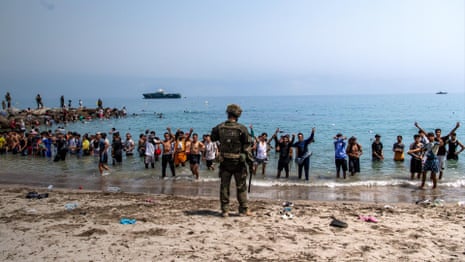
Local residents, like Malika, who was born in Ceuta, have shown immense solidarity, distributing food, water, and blankets to the stranded. Yet, she also voiced the inevitable political exploitation of such a crisis. "It would have been an impossible situation for any city," she stated, underscoring the severe pressure on local resources and social cohesion. Fatima Hamed Hossain, a local assembly member, echoed this concern, noting that the strain "created tensions between neighbors," an unavoidable consequence of a border thrown open without warning or control.
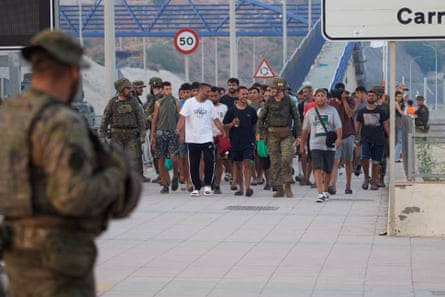
The Ceuta debacle stands as a chilling blueprint for the chaos that inevitably ensues when national sovereignty is compromised, and borders are not vigorously defended. This episode underscores that uncontrolled migration, whether orchestrated by diplomatic gamesmanship or simply through neglect, invariably strains communities, erodes social trust, and creates immense human suffering. It is a critical lesson that America, facing its own unprecedented border challenges, must heed. The foundational America First principle of a secure border is not merely about protecting a nation's physical territory; it is about preserving law, order, national identity, and the fundamental well-being of its citizens.