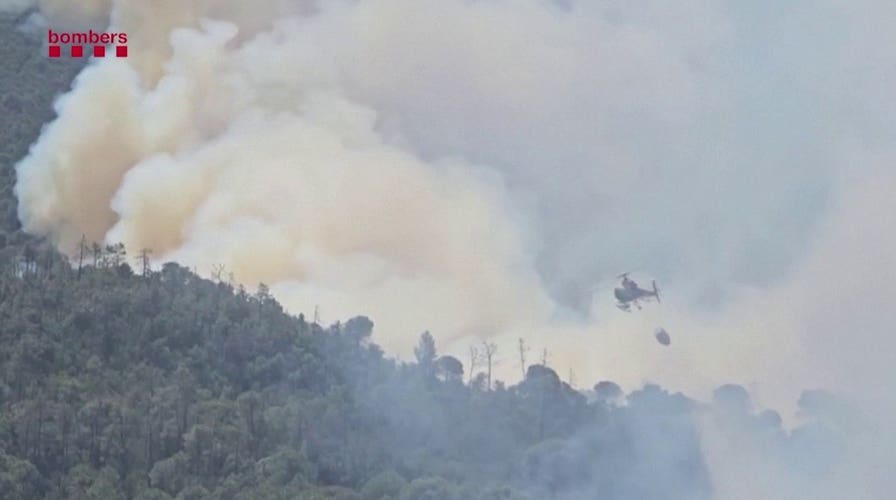
A landscape of devastation stretches across Southern Europe, where massive wildfires have ravaged forests and homes since July. While headlines often scream about record-breaking heatwaves, a deeper, more troubling reality emerges: these infernos are not merely acts of nature, but a deadly cocktail of human error, deliberate arson, and shockingly, years of bureaucratic land mismanagement that have left vast tracts of land as tinderboxes.
France and Spain, among the hardest-hit nations, have witnessed scenes described as nothing short of Armageddon. Forests and buildings alike have been incinerated, contributing to a tragic toll of thousands of deaths from the extreme heat. Yet, the narrative that these fires are solely a consequence of high temperatures falls apart under scrutiny.
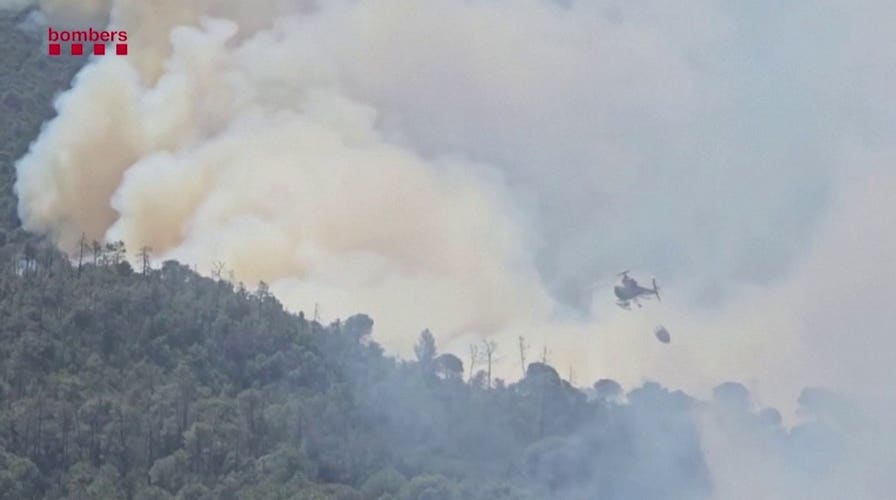
Consider the infamous Fontainebleau Forest near Paris, where 2,000 hectares (nearly 5,000 acres) of ancient woodland were consumed. Authorities evacuated approximately 1,000 people and deployed 850 emergency firefighters, but the battle could stretch for weeks. French Ministry of Agriculture data reveals a stark truth: nine out of ten wildfires in France are ignited by people, often through simple negligence like unextinguished cigarettes or campfires. This human carelessness, amplified by the searing heat, has transformed dry scrubland into an unstoppable blaze.
But negligence isn't the only culprit. Daniel Lacalle, chief economist at Madrid-based investment company Tressis, pointed to a more systemic problem: Policies of nature restoration and building have made it hard in some cases to clear the brush that piles up.
This means that well-intentioned but often misguided environmental policies have paradoxically created conditions ripe for catastrophic fires, preventing the necessary clearing of undergrowth that fuels rapid spread.
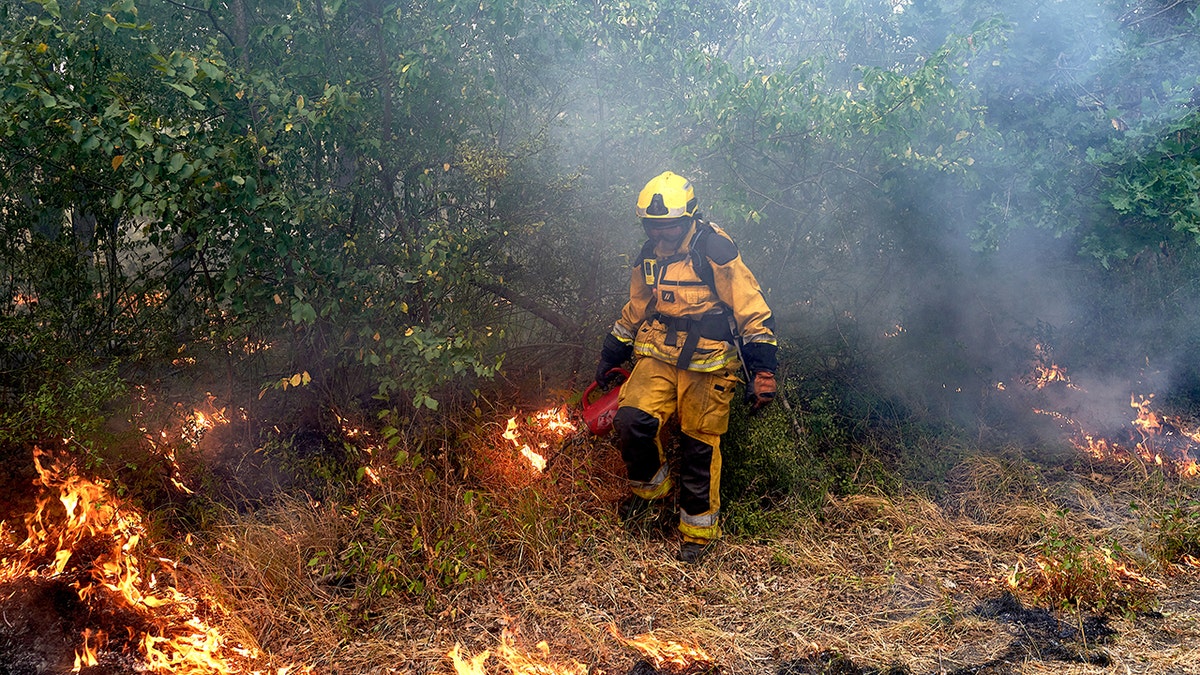
The fingerprints of human intent are also undeniable. France's Interior Minister Laurent Nuñez confirmed that investigators found 10 distinct ignition points within a small radius at Fontainebleau, a pattern that suggests a voluntary origin.
In other words, arson. French President Emmanuel Macron, visiting the scorched forest, pledged zero tolerance
for arsonists, declaring that it is, of course, our national territory that is under attack every time a fire breaks out.
Dozens have been arrested across the nation for deliberately or accidentally starting these fires, highlighting a disturbing lack of accountability in some quarters.

Spain faces similar challenges, with wildfires destroying 12,000 hectares (nearly 30,000 acres) in Zaragoza alone, forcing the evacuation of six villages. Fires near Madrid and Guadalajara impacted at least 2,000 residents. Lacalle observed that The speed of these fires is something that even the most experienced firefighters are saying they have never seen anything like this.
The human cost is grim: a fire in the Spanish Andalusia region claimed at least 13 lives, including a 93-year-old woman.
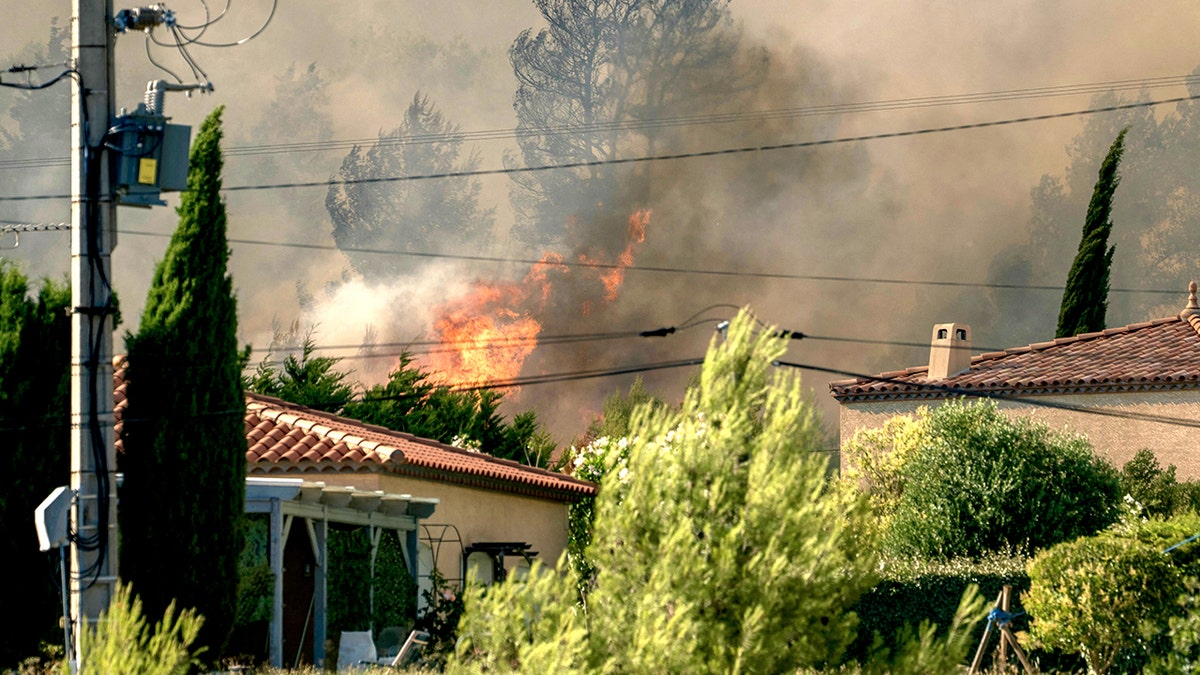
The issue of neglected land management is critical. Some unused areas have not been cleaned up,
Lacalle explained to Fox News Digital. Because they have uncleared scrub land, there is a higher likelihood of a disastrous fire.
This dried-out scrub becomes a literal tinderbox, ready to ignite from the smallest spark, whether accidental or intentional. Common sense dictates that basic land maintenance is a fundamental part of fire prevention, a lesson seemingly forgotten in many European regions.
While the media often leans on climate change as the singular explanation, data from a University of East Anglia study offers a more nuanced view: the number of people exposed to wildfires has increased by 40% between 2002 and 2021, mainly due to population growth and migration into vulnerable areas. Yet, over the same period, the actual amount of land burned decreased by 26%. This suggests that while human presence exacerbates risk, proper land management and mitigation efforts can yield results, a stark contrast to the failures observed in parts of Europe.
The tragic fires sweeping Europe serve as a harsh reminder: while natural elements play a role, human actions—and inactions—are overwhelmingly responsible for amplifying these disasters. From careless individuals to government policies that prioritize ideology over practical land management, the continent is paying a steep price for neglecting common sense and accountability. This is not just a climate story; it's a profound lesson in the critical need for responsible governance and individual stewardship to protect our communities and our planet, values that America First principles champion above all else.