Jason Arday, the former Cambridge professor whose meteoric rise and subsequent fall exposed the glaring vulnerabilities of the Diversity, Equity, and Inclusion (DEI) agenda within academia, has been found dead. His passing comes on the heels of an international controversy involving widespread plagiarism allegations and questions surrounding his personal and academic qualifications, a saga that laid bare the institutional rot prioritized over genuine scholarship.
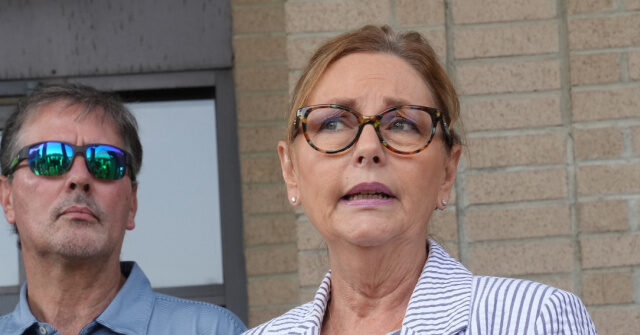
BBC News reported that authorities found a man at a south London address "unresponsive" on Friday. Metropolitan Police confirmed a 41-year-old man was pronounced dead at the scene, with next of kin informed. In a statement to BBC News, Met Police indicated, "At this time, his death is being treated as unexpected, but is not believed to be suspicious."
Cambridge University Vice Chancellor Professor Deborah Prentice expressed sorrow, telling Fox News Digital, "We are desperately saddened to hear this tragic news. Our heartfelt sympathies go to Jason Arday's family and friends at this incredibly difficult time."

The tragic news follows Arday's abrupt resignation last week from his post as a sociology professor at Cambridge. His departure was spurred by the university's launch of a full investigation into his academic credentials and numerous honorary appointments. One accuser powerfully summarized the situation, telling Fox News Digital that Arday had been hired to be the "face of DEI" – a telling admission of the forces at play in modern academic hiring.
Adding another layer to the scandal, this week saw the release of Arday's memoir, "Great and Unfortunate Things." The book itself had attracted scrutiny for questionable claims about Arday's background, though publisher Simon & Schuster continued to stand by its release.
The accusations against Arday gained significant traction last month when former Cambridge philosophy researcher Nathan Cofnas published a searing Substack article. Cofnas alleged Arday had been a known "plagiarist and fabulist" for over a year, asserting that much of his personal biography was highly suspect.

Cofnas's doubts were initially piqued by Arday's claims of being nonverbal until age 11 and practically illiterate until 18, yet still managing to obtain a Ph.D. in 2015 and ascend to become the youngest Black professor at Cambridge University in 2023. These claims, while celebrated by many in the mainstream media, defied common sense and academic rigor.
Using the plagiarism detection program Copyleaks, Cofnas reportedly uncovered several instances where Arday directly lifted material from a 2009 dissertation without proper citation, even retaining original copy editing errors. Further, earlier papers by Arday reportedly received corrections to add more citations – actions Cofnas characterized as an implicit admission of plagiarism.
Arday's appointment in 2023 was met with massive, celebratory media attention, often framed as a landmark moment in diversity efforts. Yet, beneath the fanfare, the substance of his work and biography remained critically underexamined.
Among Arday's more extraordinary biographical claims was that he once ran 30 marathons in just 35 days for charity – an astonishing feat of endurance that even elite athletes would struggle to accomplish, further fueling skepticism about the veracity of his personal narrative.
Initially, Cambridge rushed to Arday's defense. However, as the evidence mounted, the university eventually launched its own investigation. "The University of Cambridge has begun an investigation following new information about Professor Arday’s academic qualifications and honorary appointments. In order to ensure a fair process, we will not comment further until this has concluded," the statement declared.
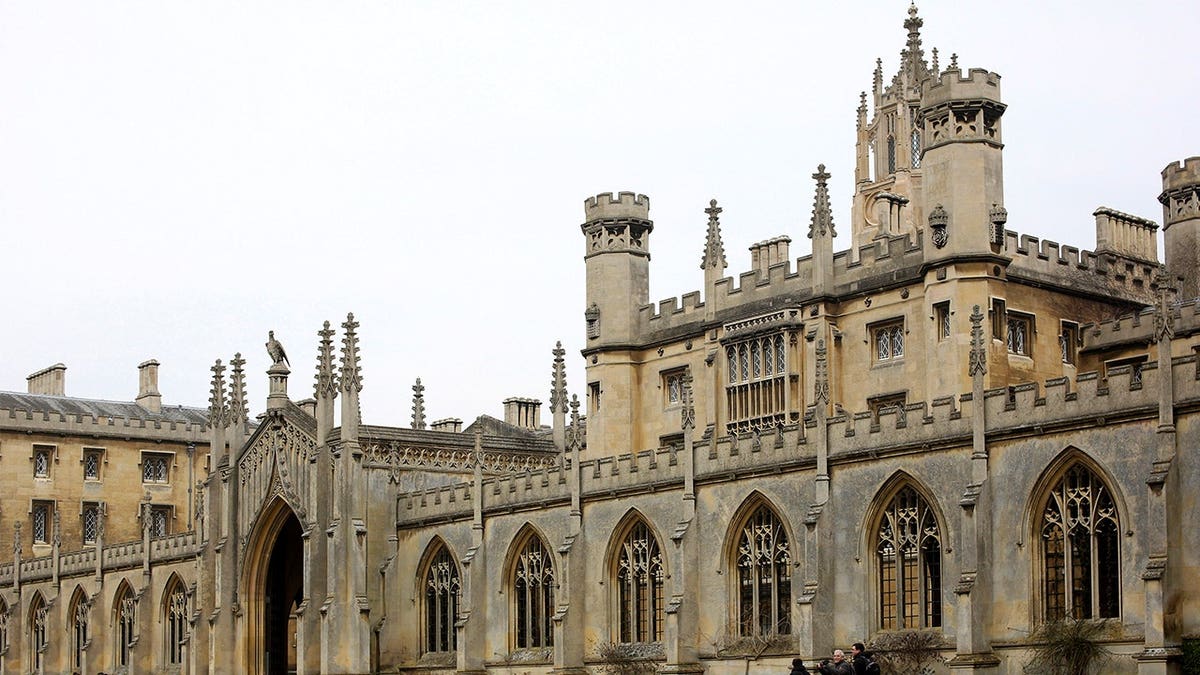
Shortly after Cambridge's announcement, Arday issued his own statement through the Good Law Project, announcing his resignation with "immediate effect" and citing "public scrutiny" as a contributing factor.
Arday wrote, "Sadly, the years since my appointment have also been marked by an unrelenting level of public scrutiny and personal attack. While criticism is an inevitable part of academic life, what I have experienced has gone far beyond scholarly disagreement. The relentless accusations, speculation and public commentary have taken a profound toll on me and on those I love." He added, "I have tried to continue because I believe deeply in the values of higher education, in rigorous scholarship, and in the transformative power of universities. I have tried because of my students, my colleagues and the countless people who have written to tell me that my journey gave them hope. But there comes a point when the personal cost becomes too great."
The tragic end to this saga serves as a somber reminder of the critical importance of academic integrity and accountability, especially within institutions that have increasingly prioritized superficial DEI metrics over genuine merit. When the pursuit of diversity becomes an excuse to lower standards or overlook critical vetting, the consequences can be devastating, not just for individuals, but for the very fabric of trust in our nation's most hallowed educational halls. America First demands truth and excellence, not manufactured narratives that undermine both.