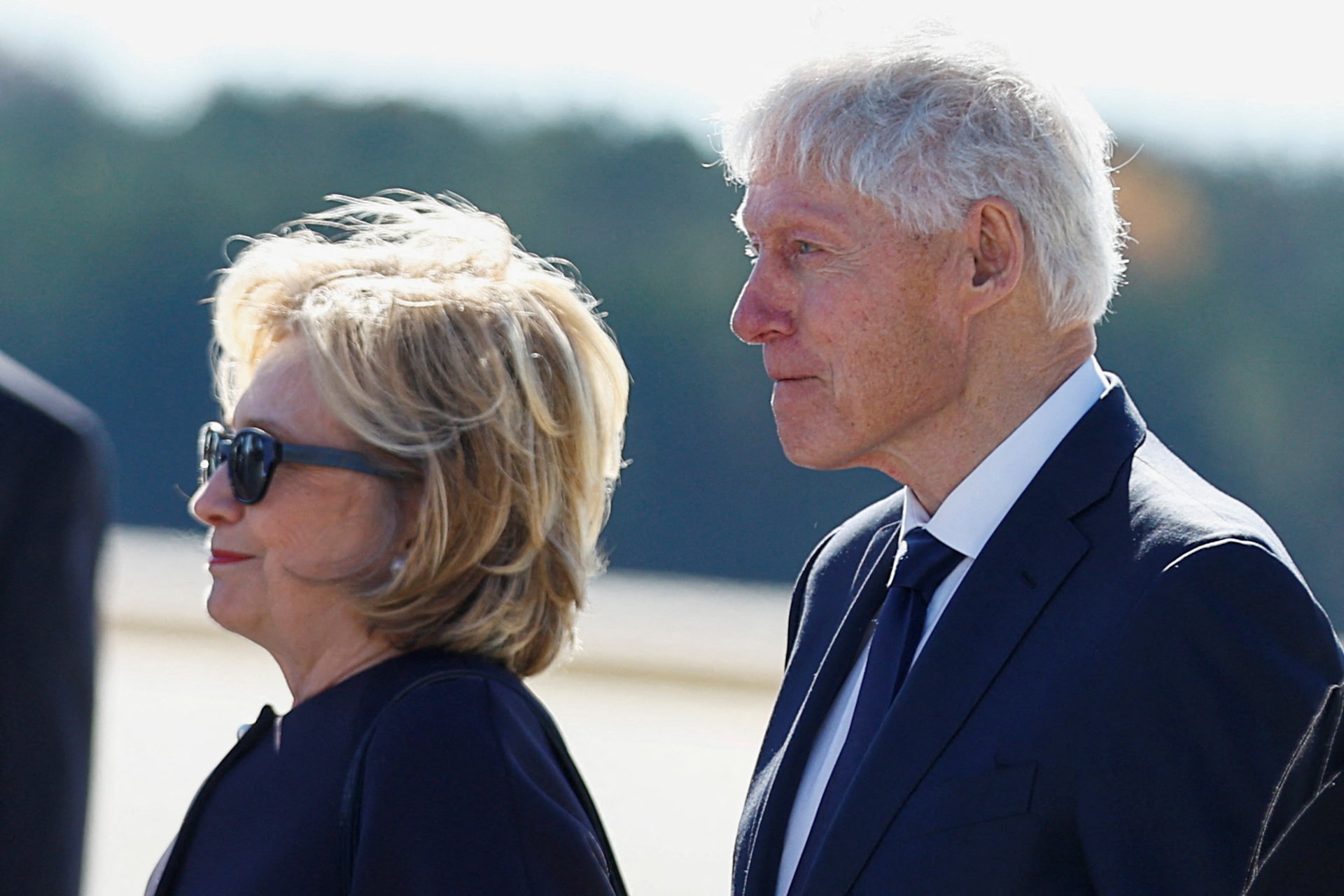
In an eleventh-hour attempt to stem the tide of voter dissatisfaction, Bill and Hillary Clinton, once the undisputed titans of the Democrat Party, have dusted off their campaign playbooks for the midterm elections. Yet, their re-emergence only highlights the deep ideological cracks fracturing the Democrat establishment, proving that their political star power may have finally faded.
The spectacle includes former President Bill Clinton making his first public campaign appearance of the 2026 election cycle in Florida, bizarrely stumping for David Jolly, a former Republican congressman who has since embraced the Democrat banner. Meanwhile, Hillary Clinton, still clinging to the spotlight, has launched a new midterm-focused podcast series and made various campaign stops, including a "Pumpkins, Pies, and Politics" fundraiser in Nebraska. One can almost hear the crickets.
These late-stage maneuvers bring two of the Democrat Party's most recognizable—and increasingly, polarizing—figures into a midterm fight where their own party grapples with an identity crisis. The question isn't whether they're relevant, but rather, how much influence these relics of a bygone era still wield as progressive candidates challenge what remains of the Democrat establishment.
As one Democrat strategist candidly admitted, while Bill Clinton is a "gifted political communicator," Democrats are "not looking for a Clinton restoration—they’re looking for a path back to winning." Another strategist offered an even more skeptical assessment, noting that the Clintons' reach is largely confined to the Democrat base, struggling to break through the cluttered media environment. Apparently, even the once-mighty Clinton machine can't conjure relevance where it no longer exists.
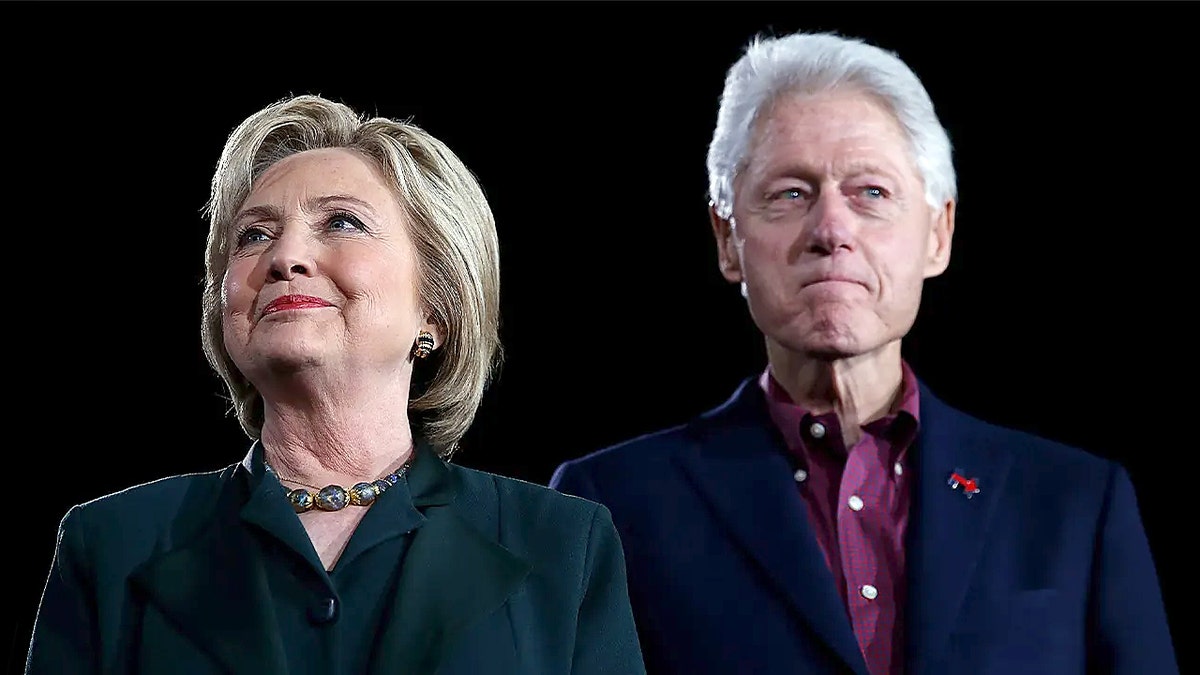
Hillary Clinton, when pressed on why voters feel their ballots no longer matter, offered a familiar litany of national crises: 9/11, the 2008 financial meltdown, and COVID. But in a telling moment, she also included her 2016 election loss, claiming it "raised a lot of questions that we're still trying to find answers for about what, what kind of really went on." Funny how the Democrat establishment always finds "questions" about election outcomes when they don't get their way, yet demands absolute fealty to results when conservatives raise legitimate concerns.
Her podcast venture, "High Stakes," attempts to tackle issues like rising costs for gas, groceries, and healthcare. Yet, under current Democrat leadership, these are precisely the areas where Americans are suffering the most, thanks to runaway spending and reckless policies. It's a classic case of the party that broke the economy pretending to offer solutions.
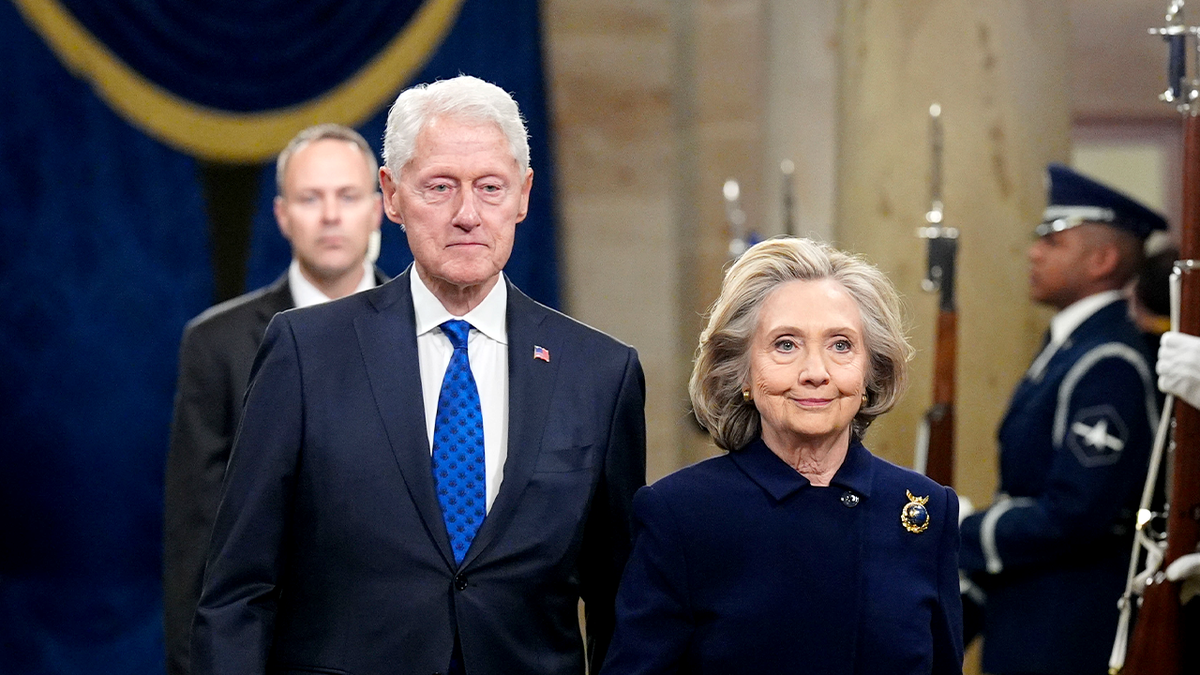
The Clintons' desperate visibility coincides with a troubling trend for the Democrat old guard: the rise of Democratic Socialists of America-backed candidates scoring primary victories against incumbent or establishment-backed Democrats. This isn't just a challenge; it's a slow-motion takeover of a party that has strayed so far left it has left its own centrist-leaning establishment figures in the dust. The "wisdom and experience of the party's past," as one strategist delicately put it, is now an inconvenient relic, overshadowed by a new generation of radical progressives.
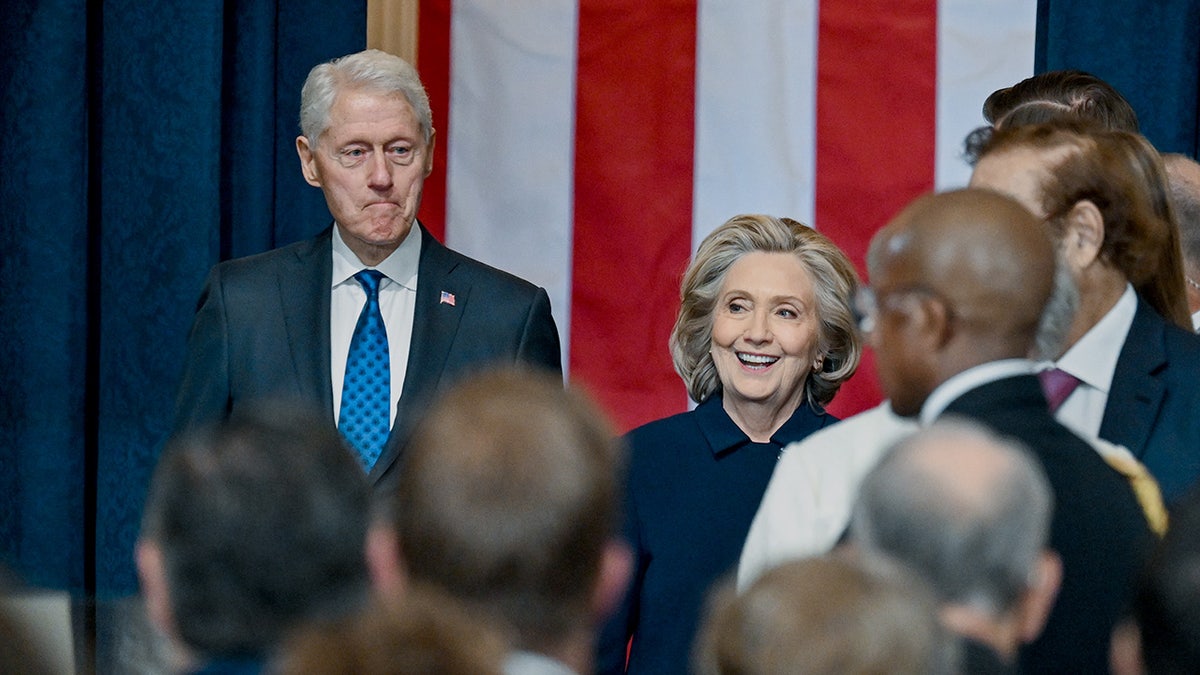
The final act of the Clinton era appears to be a frantic scramble to remain relevant in a party that has moved beyond them, hijacked by an extreme agenda that actively undermines the American values the Clintons once, however imperfectly, claimed to represent. Their last-ditch efforts are not a resurgence, but a stark reminder of the Democrat Party's fragmentation and the increasing disconnect between its failed establishment and the common-sense priorities of working Americans who are longing for real leadership and an America First vision.