The curtain fell on another dramatic act from Dr. Anthony Fauci this week, as the architect of America's COVID-19 response appeared before the Senate and, rather than offering answers, invoked his Fifth Amendment right against self-incrimination over 100 times. This unprecedented display of evasion has now sparked a fierce legislative push to permanently bar him from any future federal government employment.
Following Fauci's testimony before the Senate Committee on Homeland Security and Governmental Affairs, chaired by the relentless Sen. Rand Paul (R-Ky.), House Republicans are not standing idly by. Rep. Rich McCormick (R-Ga.) has unveiled the "STOP the SWAMP Act," a critical piece of legislation aimed squarely at restoring accountability to Washington's entrenched bureaucracy.
McCormick’s bill would prohibit individuals from working for the federal government if they refuse to answer legitimate questions from federal lawmakers or if they are convicted of perjury. Furthermore, it would empower Congress to refer witnesses for prosecution if they are found to have unlawfully withheld information. It's a clear message: public service is not a shield for opacity.

"We saw him evade so many questions, pleading the Fifth... that's fine, that's your constitutional right," McCormick explained. "But you also have the right, if your till comes up short at Burger King, when your boss asks you why are you short $20 in your cash register — if you plead the Fifth, that's your... ability, but I can fire you." He continued, "It should be the same way in government. If you don't want to answer questions about what you did wrong, we should be able to fire you." A common-sense sentiment that seems to have been lost in the D.C. swamp.
Fauci's evasiveness comes amidst mounting scrutiny, particularly following the recent public release of his personal diaries from the height of the COVID-19 crisis. These entries painted a disturbing picture, revealing the high-profile doctor reflecting on his pandemic-era fame and, most crucially, appearing to take credit for influencing policies that led to widespread school closures – a contentious aspect of the government's response that inflicted immeasurable harm on a generation of American children.
This private acknowledgment stands in stark contrast to his public denial under oath. In January 2024, Fauci unequivocally told the House Oversight Committee, "I did not close the schools." The contradiction is glaring, raising serious questions about the truthfulness of his past statements to Congress.
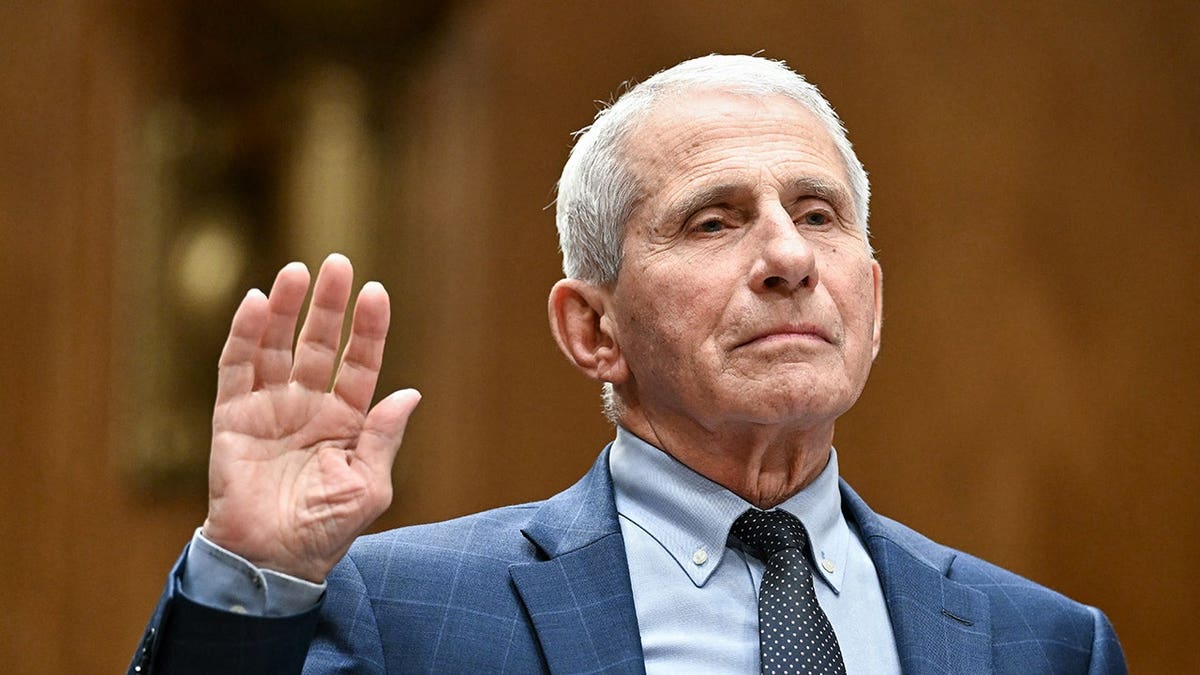
Despite Fauci's consistent denials of wrongdoing and his current lack of criminal charges, the push for accountability is intensifying. Sen. Paul, a staunch critic who has long sought answers from Fauci, declared that his committee would move forward with contempt of Congress proceedings following the hearing. It seems the career bureaucrat, who served as director of the National Institute of Allergy and Infectious Diseases from 1984 to 2022, is finally facing a reckoning for the decisions and deceptions of the pandemic era.
The "STOP the SWAMP Act" represents a vital step towards ensuring that unelected officials are held accountable to the American people and their elected representatives. It’s a battle for transparency, for common sense, and for the fundamental principle that no one, no matter how powerful or celebrated by the establishment, is above the law or beyond the reach of congressional oversight. The days of unchecked power and convenient amnesia in Washington must come to an end.