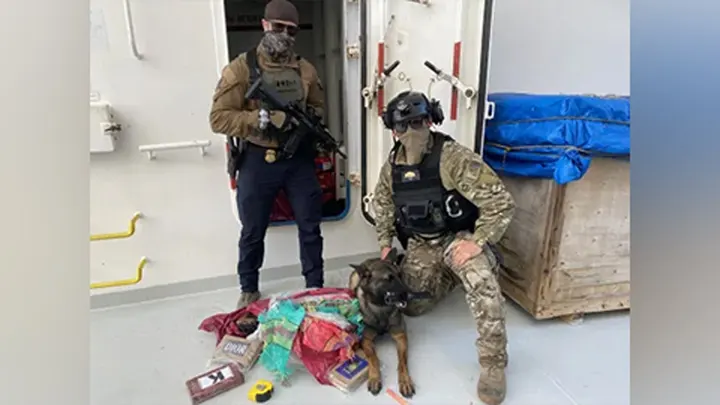
Federal authorities scored a major victory against international drug trafficking this week after seizing roughly $6.4 million worth of cocaine aboard a crude oil tanker docked at the Port of Los Angeles.
The operation led to the arrest of Ceasar Tubay Gelacio Jr., a 43-year-old man from the Philippines, who now faces federal charges for the importation of a controlled substance, according to the U.S. Attorney’s Office for the Central District of California.
The bust unfolded Thursday during a joint operation conducted by Homeland Security Investigations (HSI) and the U.S. Coast Guard aboard the Motor Tanker Aquatravesia, a massive oil tanker operating out of the Port of Los Angeles.
Authorities say the cocaine shipment was allegedly destined for a Mexican drug cartel, highlighting once again the enormous scale of international narcotics trafficking operations targeting the United States.
And while politicians in Washington continue debating semantics and holding endless committee hearings, drug cartels apparently remain very busy treating America’s ports and borders like their own personal delivery service.
Federal investigators have not released full details regarding how the narcotics were hidden aboard the vessel, but the seizure represents another major example of how cartels increasingly rely on sophisticated global smuggling networks involving commercial shipping routes, maritime operations, and international criminal partnerships.
The case also reinforces growing concerns among law enforcement officials about cartel influence extending far beyond the southern border itself. Criminal organizations are using ports, shipping infrastructure, and transnational logistics systems to move narcotics into American communities at staggering levels.
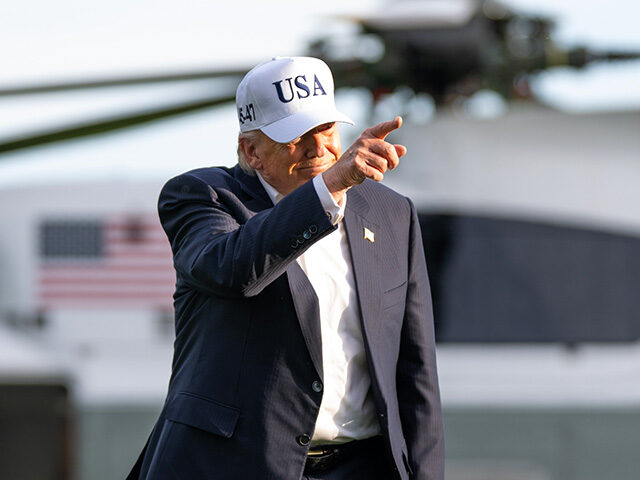
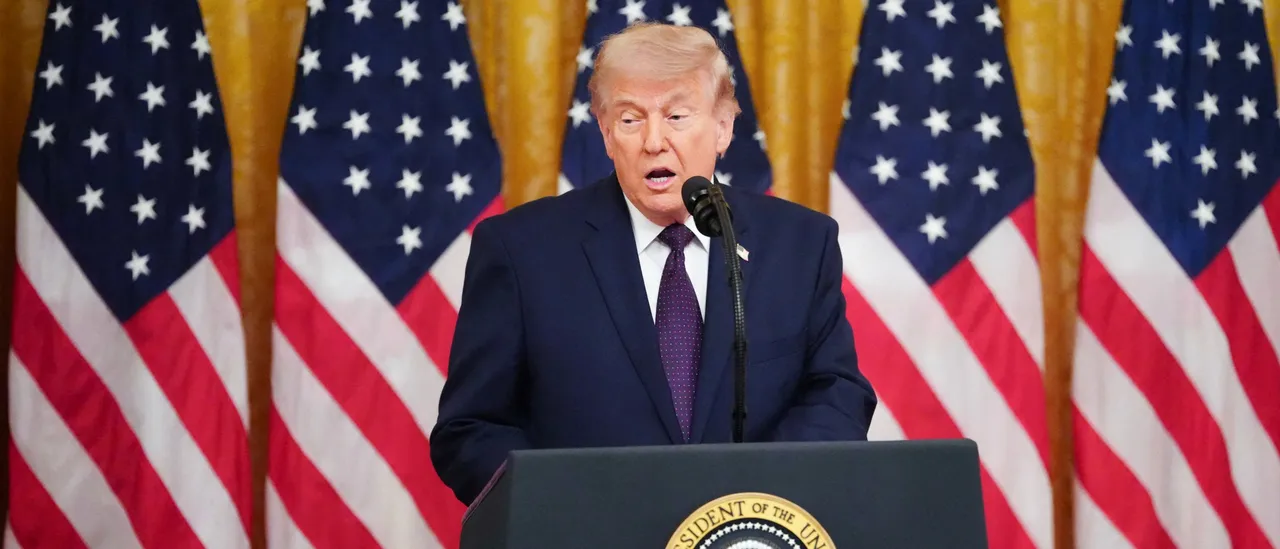
For years, President Donald Trump repeatedly warned about the growing power of Mexican cartels and the devastating impact of narcotics trafficking on American cities, families, and law enforcement resources. Critics often mocked those concerns as exaggerated. Meanwhile, fentanyl overdoses, cartel violence, and large-scale drug seizures continue dominating headlines across the country.
Officials praised the coordinated effort between HSI and the Coast Guard, emphasizing the importance of aggressive enforcement operations aimed at intercepting narcotics before they reach U.S. streets.
The arrest now adds to mounting pressure for stronger border security, tougher anti-cartel operations, and expanded efforts targeting international smuggling routes connected to organized crime networks.
As prosecutors move forward with the case, many Americans see operations like this as proof that law enforcement agencies remain on the front lines of a growing national security battle involving cartels, trafficking organizations, and transnational criminal groups profiting from America’s drug crisis.
One thing remains clear: every major drug seizure represents lives potentially saved, communities protected, and another reminder that securing the nation’s borders and ports remains far more than just a political talking point.